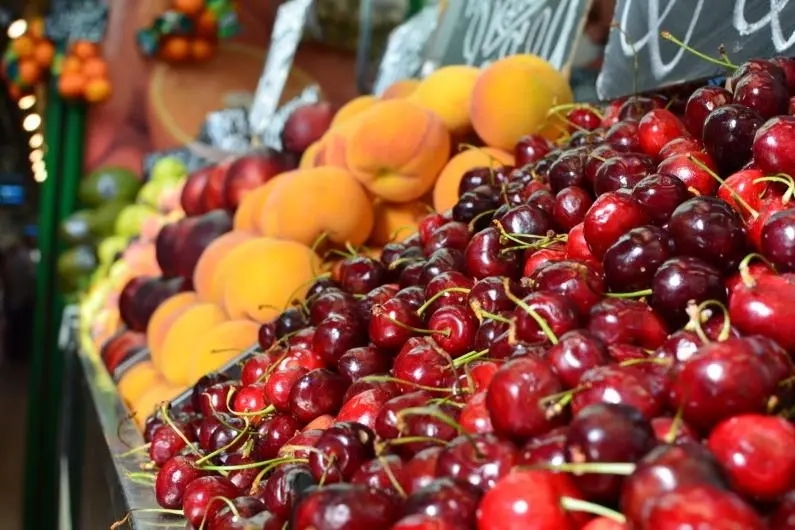
Russia will introduce a temporary ban on imports of stone fruits and grapes from Armenia starting June 2, according to an announcement by Rosselkhoznadzor, Russia’s agricultural watchdog. The restrictions apply to sour cherries, sweet cherries, apricots, plums, peaches, nectarines, and fresh grapes. The agency said the decision was prompted by what it described as a rise in violations involving Armenian agricultural products and that the ban would remain in place until an “algorithm to ensure the safety of shipped products” is developed.
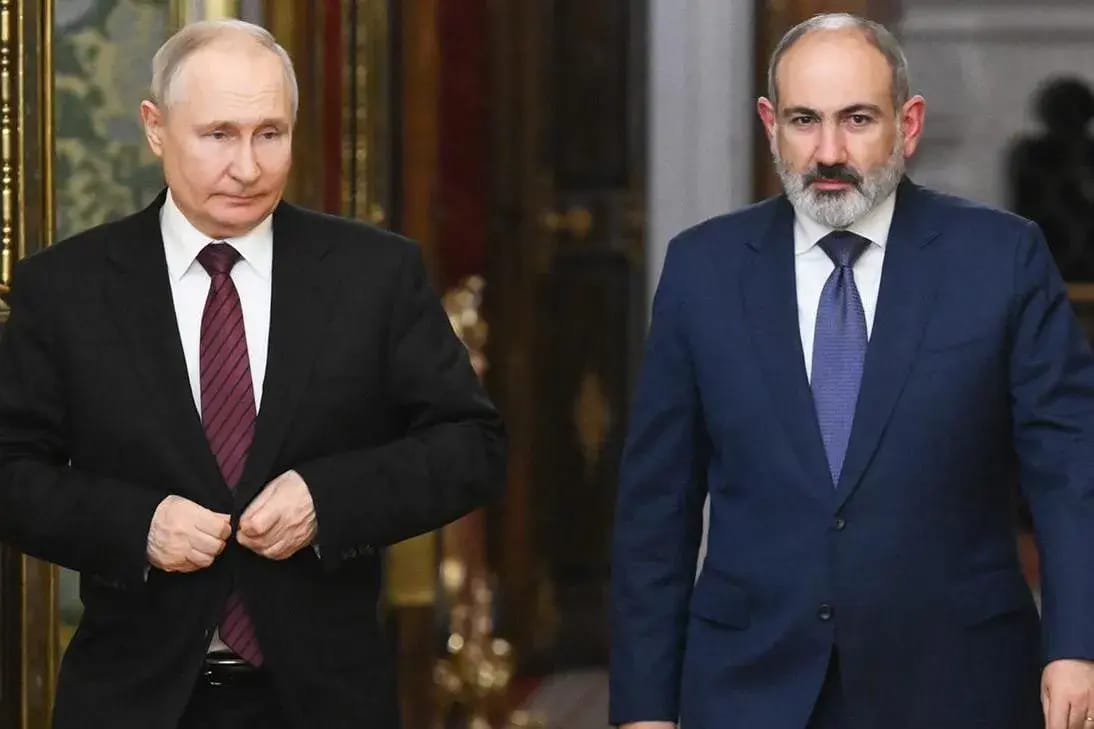
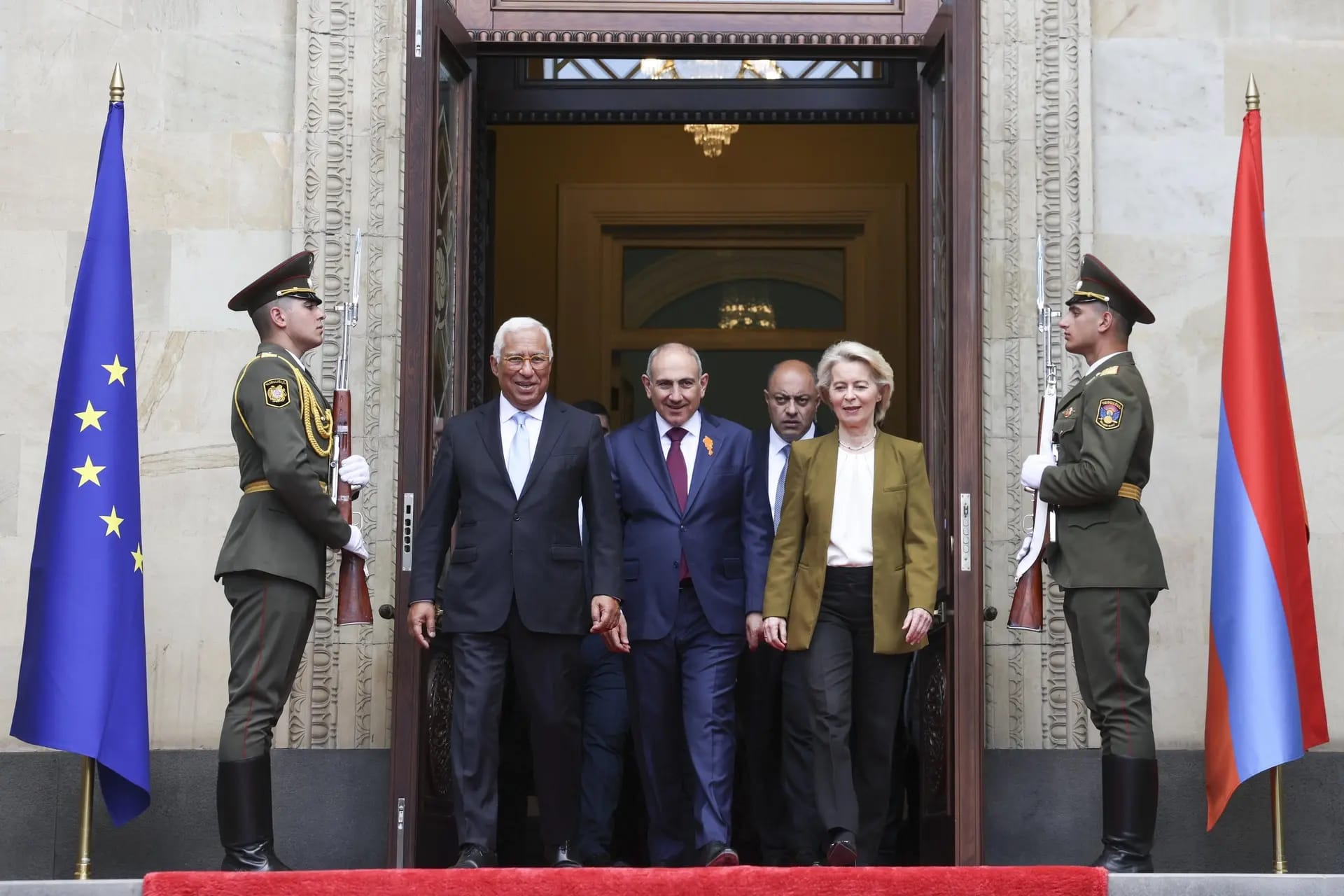
Russia has also restricted imports of Armenian flowers, mineral water, brandy, wine, vegetables, strawberries, fish, and fish products from Armenia, along with the transport of such products through Russian territory. The measures coincide with a sharp deterioration in relations between Moscow and the government of Armenian Prime Minister Nikol Pashinyan. Yerevan has been steadily distancing itself from Russian-led integration structures, deepening cooperation with the European Union and the United States while discussing prospects for European integration.
On May 29, the leaders of Russia, Belarus, Kazakhstan, and Kyrgyzstan demanded that Armenia choose between membership in the Eurasian Economic Union (EAEU) and a path toward joining the European Union. Belarusian dictator Alexander Lukashenko then warned Yerevan of a possible repeat of what he called the “Ukrainian scenario.” Vladimir Putin has previously issued similar warnings, linking the war in Ukraine to Kyiv’s efforts to move closer to the European Union.
Pashinyan responded by saying the question of choosing between the EU and the EAEU remained “theoretical” and that holding a referendum to decide the question would be premature. He said Armenia would continue working within the EAEU while acknowledging that relations with Russia were “in a stage of transformation.”
Pressure on Yerevan is intensifying less than a week before parliamentary elections scheduled for June 7. Electoral analyst Roman Udot told The Insider that Moscow has long used import bans as a tool of political pressure on neighboring countries, noting that similar measures had previously been used against Georgia and Moldova. In both prior cases, the consequences of such restrictions ultimately affect Russian consumers by reducing the variety of products available to them while driving up prices.