In recent years, Hungary has become a key Kremlin ally inside the European Union. Prime Minister Viktor Orbán has praised Vladimir Putin, frozen EU assistance to Ukraine, and blocked sanctions against Russia — this despite the fact that, until the late 2000s, Orbán was a critic of Putin and the Kremlin. His loyalty can be explained by various factors, including Hungarian dependence on Russian gas, potentially corrupt deals for the construction of nuclear power plants, and past ties to organized crime, which the Kremlin may be able to exploit in the pursuit of its own interests.
Hungary’s leader did not always follow Putin’s anti-Western line. In the 2000s, while in the opposition domestically, he actively criticized the government for cooperation with Russia, even describing some European countries as “Putin’s puppets.” He also promised that he would not allow the Russians to “climb back into” Hungary.
However, starting around 2008–2009, Orbán changed his rhetoric, and the former critic became a reliable partner and advocate of Moscow and its ideas. During this period, Orbán served the interests not only of Putin personally, but also of Russian oligarchs and even criminal bosses. This turn to the East was driven by a combination of factors — from Hungary’s deep dependence on Russia in the energy and financial spheres, to Orbán’s past ties with criminal networks, which the Kremlin could exploit for its own purposes.
On the gas needle
In his more than fifteen years in power, Orbán has deepened Hungary’s dependence on Russia in the energy sector. While the European Union has sought to completely phase out imports of Russian oil and gas, Budapest, on the contrary, has steadily increased its purchases of hydrocarbons from Russia. In 2021, Budapest signed a new contract with Gazprom for the supply of natural gas for a period of fifteen years. As a result, between 2021 and 2025 the share of Russian oil among Hungary’s imports rose from 61% to 93%.
One of the key beneficiaries of Orbán’s cooperation with Putin’s regime is the Hungarian oil and gas company MOL, which owns three large refineries and thousands of filling stations across Europe. Thanks to this company, Hungary has become one of the main European hubs for processing Russian hydrocarbons. Taking advantage of low purchase prices, MOL effectively acts as an intermediary, enabling petroleum products from Russia to reach Western European countries despite the EU embargo.
Taking advantage of low purchase prices, MOL acts as an “intermediary,” enabling petroleum products from Russia to reach Europe
Notably, MOL is not only helping Russia to circumvent European sanctions, it is also working to relieve Moscow’s U.S. sanctions burden.. In January it became known that the Hungarian company intends to buy out Gazprom Neft’s stake in the Serbian oil company NIS in line with American demands. This objective, again, fully aligns with the Kremlin’s interests, as Moscow also uses low energy prices as leverage over the regime of President Aleksandar Vučić in neighboring Serbia. At the very end of March, Putin promised the Serbian leader to extend their gas supply contract at a price lower than that offered to virtually any other customer except Belarus.
Most importantly, Orbán has used Hungary’s dependence on Russian energy resources — a dependence that he himself has helped create — in order to pressure the EU on issues related to support for Ukraine. In particular, the Hungarian prime minister has been blocking European tranches for Kyiv over the halt in oil supplies through the Druzhba pipeline (which Ukraine points out was damaged by a Russian strike). According to Orbán, Hungary will continue to block EU decisions on Ukraine until oil transit via Druzhba is resumed. He has also threatened to stop gas supplies to Ukraine from Hungary.
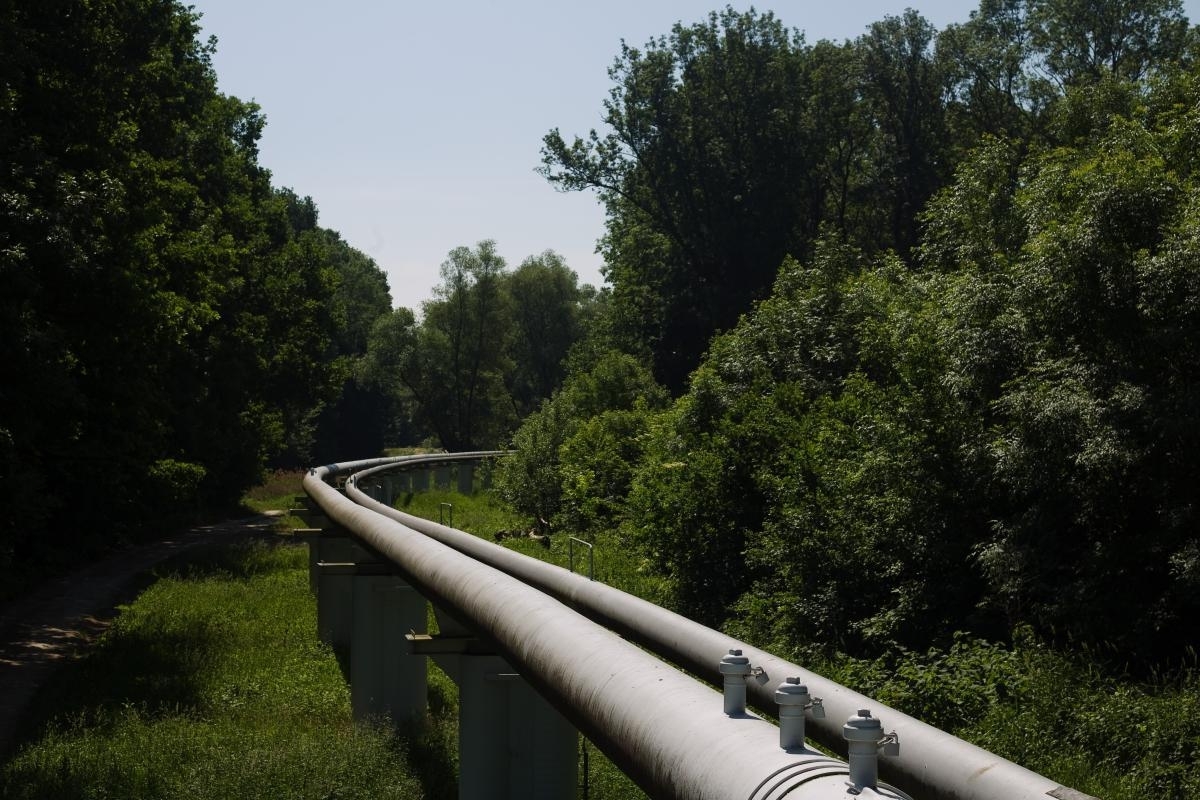
Orbán has even built a large part of his election campaign around the controversy surrounding the pipeline, naming Volodymyr Zelensky personally as the main source of ordinary Hungarians’ problems. In the final weeks before the election, he has been portraying Ukraine as the principal external enemy threatening Hungary’s independence, including in the energy sphere. This rhetoric is aimed at a domestic Hungarian audience, but it is hardly a coincidence that it echoes the talking points of Russian foreign policy propaganda, which likewise seeks to discredit Ukraine’s leadership by any means necessary.
In reality, if there is any oil shortage in Hungary, it is linked not to the Russian pipeline but rather to the war waged by the United States and Israel against Iran. The fact is that Hungary and Slovakia (another country connected to Russia by the “Druzhba pipeline”) today have the option of receiving fuel through Croatian ports — in fact, the Croatian pipeline is partly owned by MOL, and in February, Hungary and Slovakia purchased their first batches of oil via this route.
On the one hand, this means they can do without Druzhba. On the other, the war against Iran has made these alternative supplies significantly more expensive. It is therefore no surprise that Orbán, despite having found a substitute for Russian oil, continues to insist to voters that their future is under threat as a result of Ukraine’s supposed stoppage of oil supplies via Druzhba.
Atoms for kickbacks
Oil and gas are not the only elements of the mutually beneficial partnership between Moscow and Budapest. Hungary remains the only EU member state where a truly large-scale project of the Russian state corporation Rosatom is being implemented. The chairman of its supervisory board is Sergei Kiriyenko, first deputy head of the Presidential Administration of Russia. In the Kremlin, Kiriyenk oversees both domestic policy and the use of Russia’s “soft power” abroad. In addition at the end of 2025, former Rosatom manager Vadim Titov became head of the Kremlin’s directorate for strategic partnership and cooperation, which in practice is responsible for external influence and propaganda.
As part of the expansion of the Paks Nuclear Power Plant, built in 1974 according to a Soviet design near the city of Paks in central Hungary, Rosatom has pledged to construct two new power units as part of the “Paks II” project. Rosatom received the right to implement this project without an open tender, immediately raising suspicions of corruption. Construction is financed by a preferential Russian loan of €10 billion (out of a total cost of €12.5 billion). One of the main Hungarian subcontractors, oligarch Lőrinc Mészáros, is a longtime associate of the prime minister,
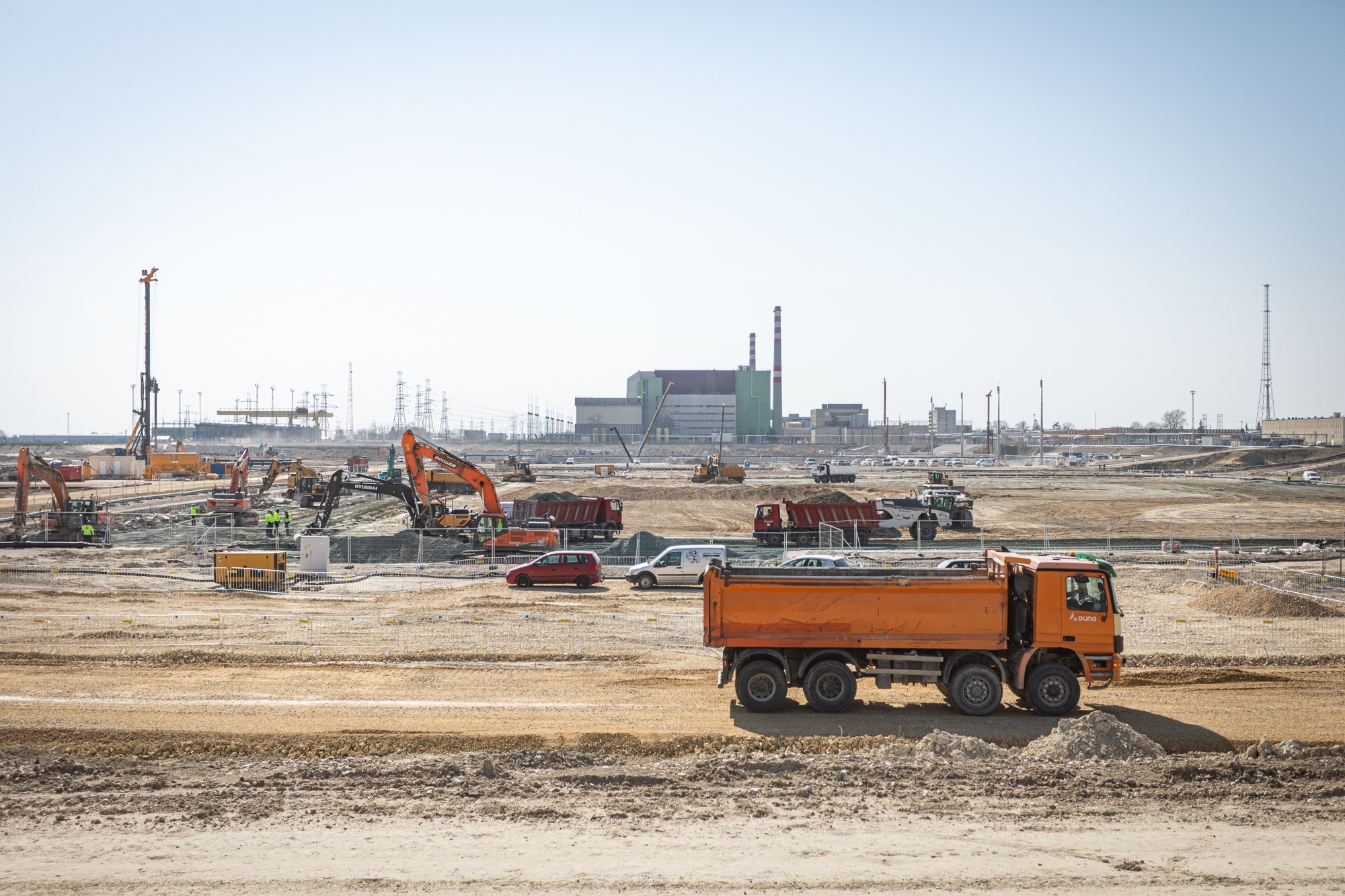
Before the start of Russia’s full-scale war against Ukraine, Rosatom had a network of offices across Europe that the Kremlin used as an instrument of “soft power.” The company supplied nuclear fuel to numerous Soviet-built reactors in Eastern and Central Europe, serviced them, and was preparing to construct new power units. However, virtually all of Rosatom’s European projects have since been terminated (many of them even before February 2022).
For example, as early as spring 2021, the Czech Republic removed Rosatom from the list of bidders for the construction of new units at the Dukovany Nuclear Power Plant. This came amid a spy scandal in which Prague accused Russian GRU agents of blowing up ammunition depots near the village of Vrbětice in 2014, an incident that killed two Czech citizens. (The Insider later managed to confirm the validity of these accusations).
Then, in May 2022, Finland terminated its contract with Rosatom for the construction of the Hanhikivi Nuclear Power Plant. In addition, even European states considered relatively close to Russia, such as Slovakia, have been seeking to diversify their nuclear fuel supplies in order to reduce their dependence on Russian uranium.
Nevertheless, thanks to Orbán’s efforts, the Paks Nuclear Power Plant remains the focal point of Russia’s nuclear interests in the EU. If Rosatom succeeds in completing the Paks II project, Budapest will be obliged to repay the loan to Moscow, along with interest. In addition, Hungary will have to purchase nuclear fuel from Russia and pay Russian specialists for the servicing of the plant.
For Moscow, this serves as a guarantee that Orbán will not allow Rosatom to be added to EU sanctions lists, thus enabling the Russian state corporation to procure everything it needs in Europe. It also ensures a long-term financial and technological dependence of Hungary on the Kremlin.
Money from the mafia and possible kompromat
Notably, Orbán’s sharp shift toward pro-Russian rhetoric in the late 2000s coincided with the arrest of one of the most significant figures in the organized criminal underworld: Semyon Mogilevich, who was taken into custody in Moscow in January 2008. In Russia, Mogilevich is best known as the man who controlled the Solntsevskaya organized crime group, and also as one of the organizers of a corrupt scheme involving the export of Russian gas through the company RosUkrEnergo. From the 1990s to the mid-2000s, Mogilevich controlled dozens of criminal groups around the world, from Russia and Eastern Europe all the way to New York. Mogilevich himself lived in Budapest in the 1990s, and according to numerous accounts, he not only paid bribes to the head of the Hungarian police but also helped finance Viktor Orbán’s 1998 election campaign.
The evidence of that relationship did not begin emerging until 2016, when one of Mogilevich’s associates, German citizen Dietmar Clodo, stated in an affidavit that in the mid-1990s he had delivered Mogilevich’s money to various recipients, and that one alleged recipient was the election campaign of the Fidesz party, which Clodo says received a sum of 1 million Deutsche marks (close to $600,000 at the time). Also according to Clodo, everything that took place in his home was recorded by a hidden camera disguised as a book — which the Hungarian press even published a photo of in 1999.
Clodo is not a man whose statements can be taken at face value, even if they were made in an official affidavit. However, these claims were recently confirmed by László Kovács, who was part of Igor Korol’s organized crime group in Budapest during the period in question. According to Kovács, his duties included transporting Mogilevich’s money, and although he never personally met Orbán, some of the sums he delivered in the mid-1990s were intended specifically for the man who is now Hungary’s prime minister. Kovács says Mogilevich spoke about this explicitly in conversations with him.
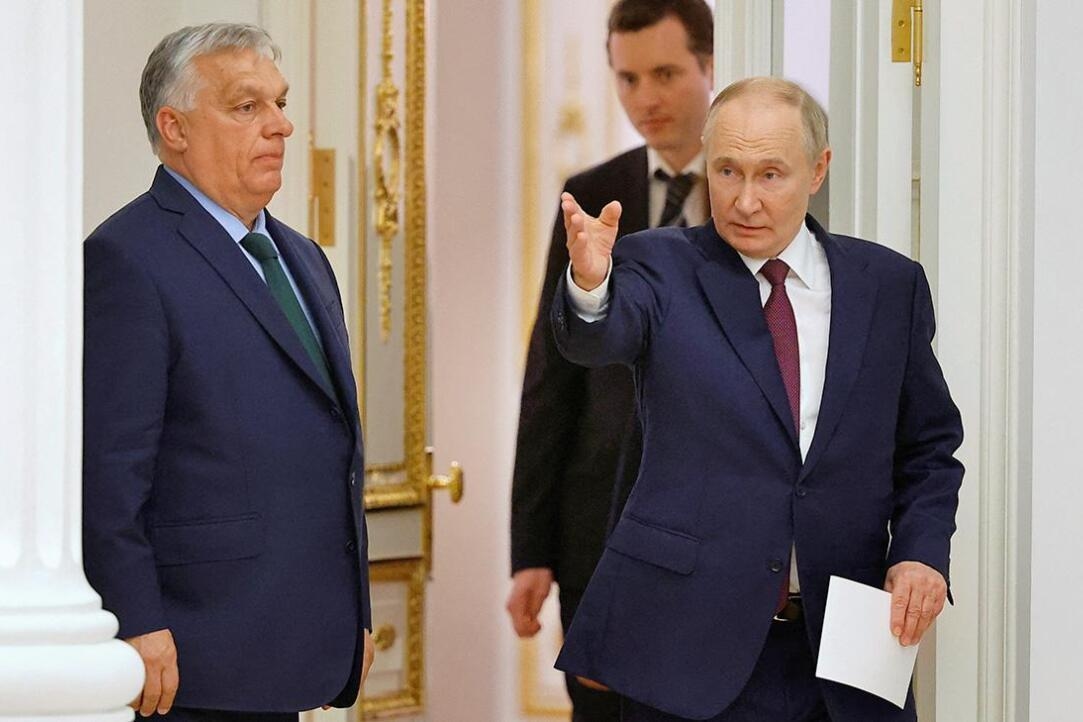
In the context of the above, a striking coincidence stands out: in 2008, Mogilevich was arrested in Moscow as part of the Arbat Prestige case, but was released in July 2009. Then, in November 2009, Orbán traveled to St. Petersburg and met Putin for the first time, returning to Hungary as an openly pro-Russian politician.
Mogilevich may have rendered another service to the Kremlin, this time in 2013. According to a source cited by The Insider, the agreement between Russia and Hungary on the construction of Paks II was reached “not without his efforts.”
Instructions from Moscow
The Kremlin’s influence over Budapest’s domestic and foreign policy is not limited to Orbán’s anti-Ukrainian rhetoric. For years, his government has given Moscow the opportunity to monitor “sensitive discussions” within the European Union. Russian hackers have been allowed to use the computer networks of Hungary’s Foreign Ministry, and in the run-up to this Sunday’s election, the Kremlin even proposed staging a “self-attack” — a fake assassination attempt against Orbán — as reported by The Washington Post.
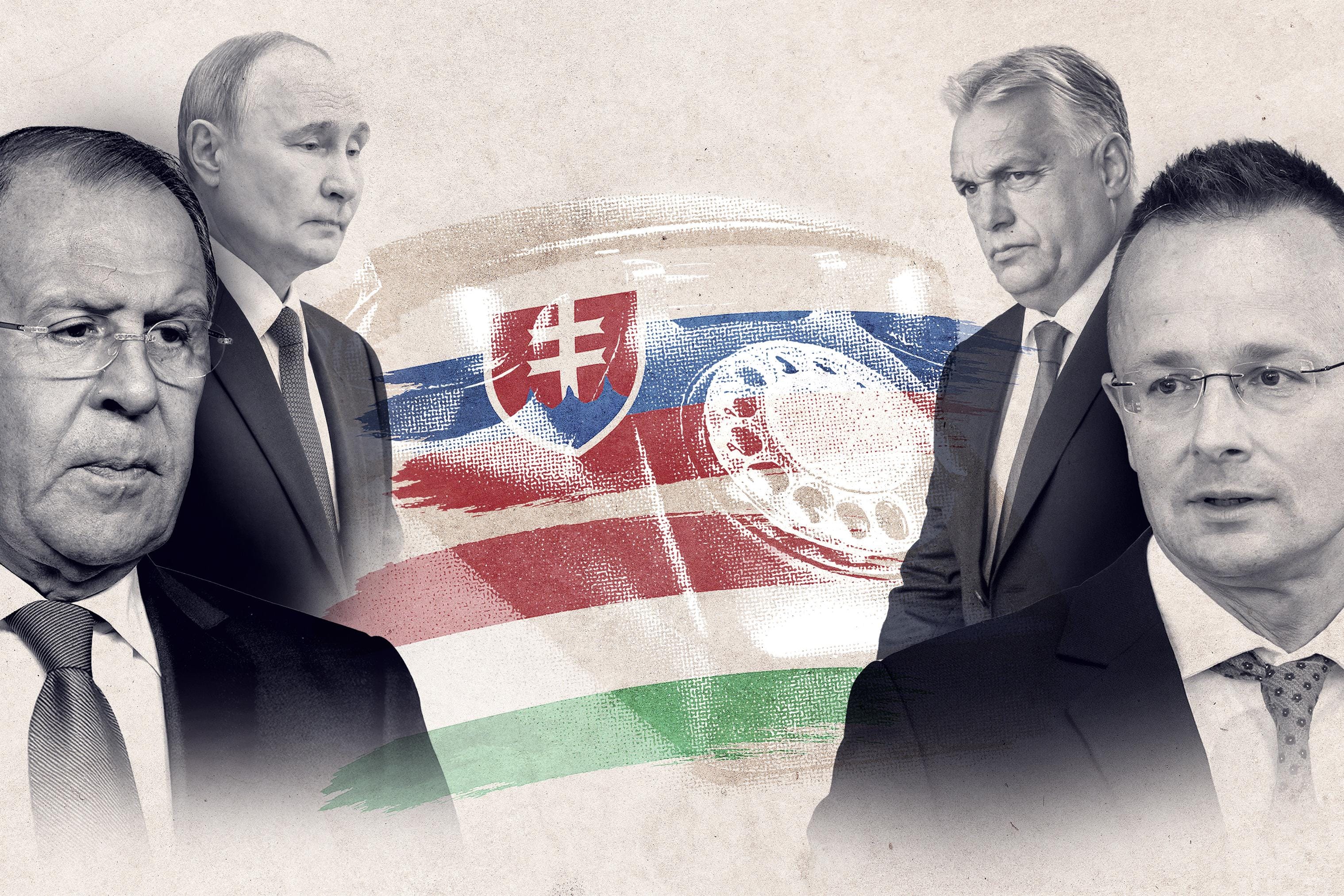
In addition, Hungarian Foreign Minister Péter Szijjártó has regularly called his counterpart Sergey Lavrov to provide “operational reports,” as The Insider and its reporting partners recently found. This effectively allowed Moscow to be present at the negotiating table during every EU Council of Ministers meeting, as well as to slow down or even block sanctions.
Intercepted phone conversations between Lavrov and Szijjártó, obtained by The Insider in March, indicate that the Hungarian authorities not only lobbied on behalf of the Kremlin’s interests in Europe but also helped resolve the personal issues of Russian oligarchs, in particular Alisher Usmanov. Moreover, Lavrov did not merely act as an intermediary, but referred to himself as a “friend” of the Russian billionaire.
Specifically, in August 2024, Péter Szijjártó promised to help Lavrov secure the removal of Gulbakhor Ismailova — Usmanov’s sister — from EU sanctions lists, and the European sanctions against her were indeed lifted at Budapest’s insistence in March 2025. In addition, Szijjártó and Lavrov discussed means of shielding a number of Russian banks from sanctions, along with the company 2Rivers, which is involved in selling Russian oil through the infamous “shadow fleet” of tankers.
By Szijjártó’s own admission, he succeeded in removing 72 Russian entities from the sanctions list. However, he was unable to protect 2Rivers — despite asking that the Russians come up with an explanation for the EU as to why such exemptions would serve Hungary’s national interests.
Moscow’s advisers in Budapest
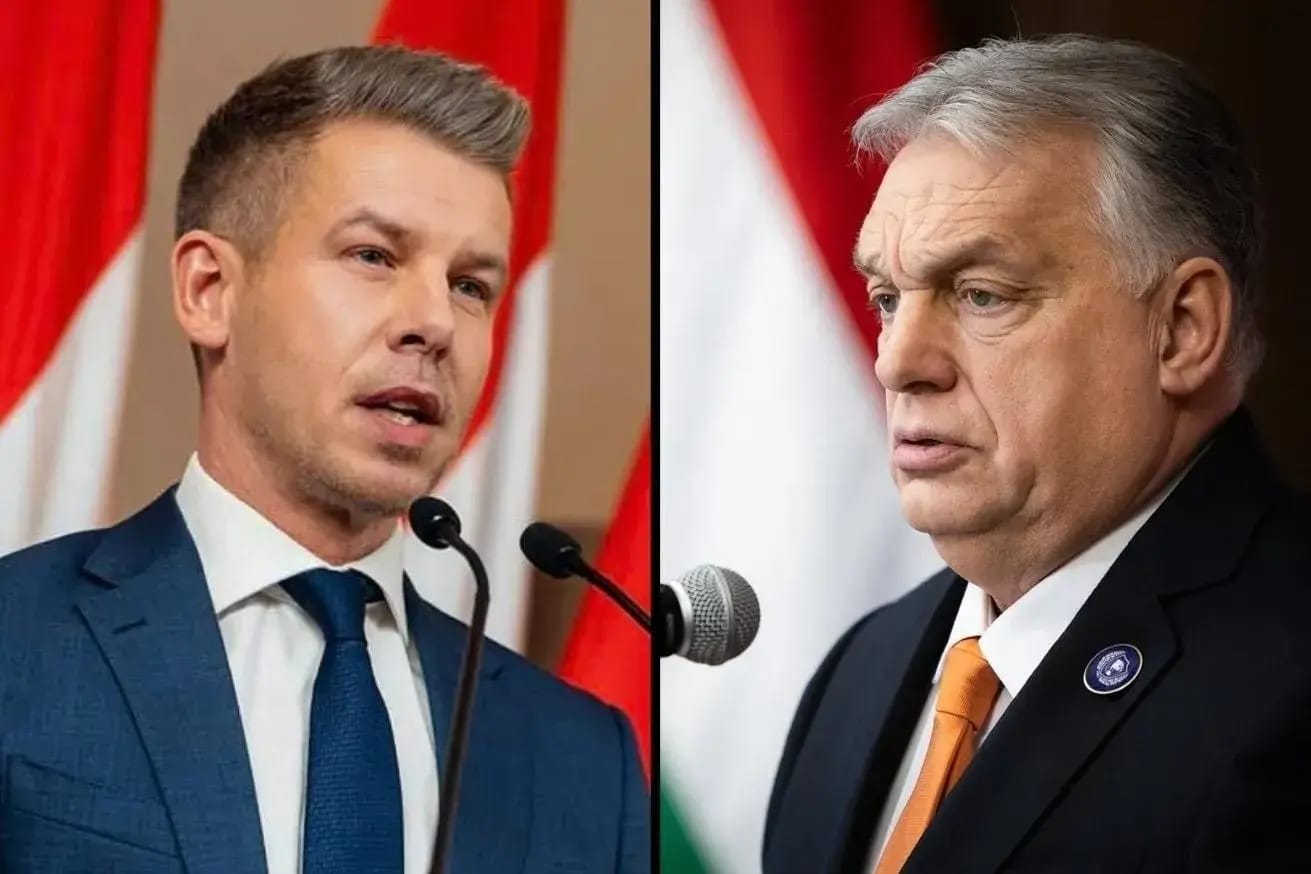
Parliamentary elections are scheduled to take place in Hungary on April 12, and according to independent polls, the ruling Fidesz party is trailing the opposition badly. But the Kremlin is not losing hope. For several months now, Moscow has been conducting an active campaign in the country, engaging in disinformation seeded through bot networks on social media and controlled Telegram channels while also coordinating with local media loyal to Orbán.
Part of this propaganda effort is being coordinated by Tigran Garibyan, minister-counselor at the Russian embassy in Hungary, who work with Russian propagandists in the country while regularly holding meetings with pro-government Hungarian journalists, where he assigns them tasks and instructions. Notably, Garibyan’s brother heads the project finance directorate at the Russian state-owned Promsvyazbank, which has been used as a channel for funding Russia’s recent unsuccessful efforts to subvert elections in Moldova.
There is also another, less conventional channel through which influence is exerted on Orbán: the Russian Orthodox Church. As The Insider has reported, Orthodox priests at times act as spies and couriers, while church compounds are turned into “safe houses” for Russian agents.
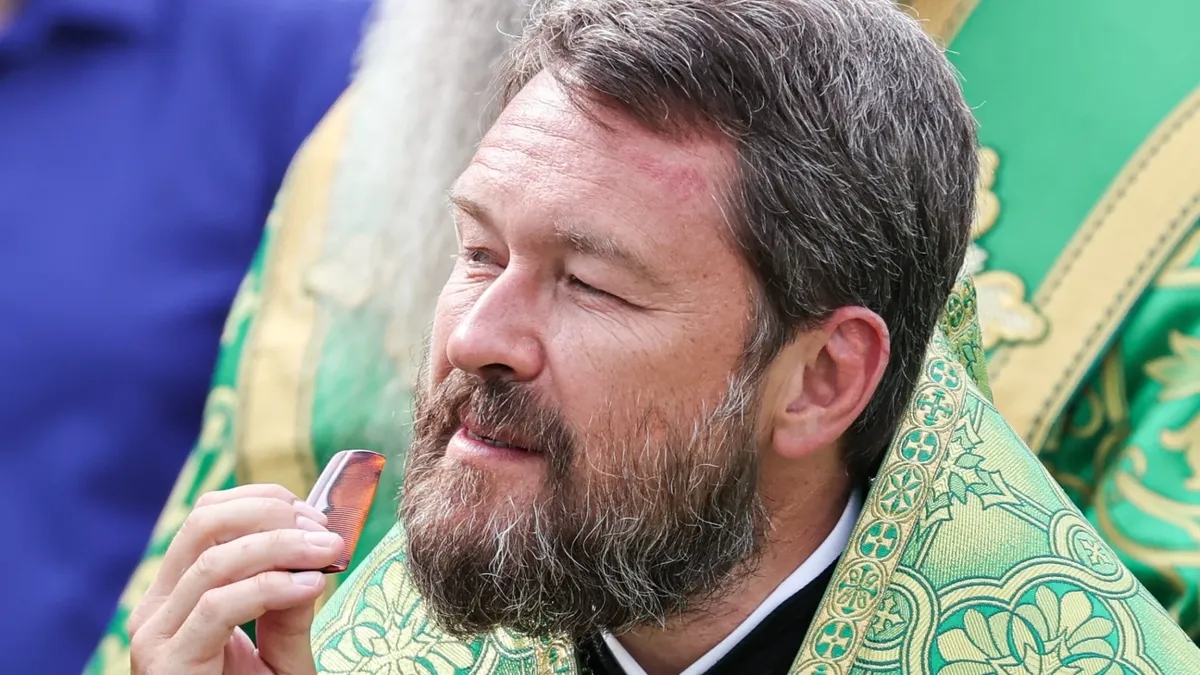
In Budapest between June 2022 and the end of 2024, the Russian Orthodox Church was represented by the former head of the Department for External Church Relations, Hilarion Alfeyev — who was not only the head of the Budapest–Hungarian diocese, but also a key intermediary between the Kremlin, various oligarchs, and representatives of Orbán’s government. According to the account of his former cell attendant, Georgy Suzuki, Hilarion transported suitcases of cash from Dubai to Hungary and lobbied for the lifting of EU sanctions against Patriarch Kirill and multiple Russian billionaires. He maintained particularly frequent contact with Hungary’s deputy prime minister, Zsolt Semjén, a friend and close associate of Orbán. (Last year, Semjén found himself at the center of a scandal involving abuse of minors in a correctional facility.)
Hilarion himself was also accused of harassment by his former attendant, after which Patriarch Kirill reassigned the metropolitan to Karlovy Vary in the Czech Republic. Notably, the first thing Hilarion did in Karlovy Vary was to transfer Russian Orthodox Church property to a Hungarian legal entity, effectively placing it under Orbán’s protection and thereby shielding it from sanctions.