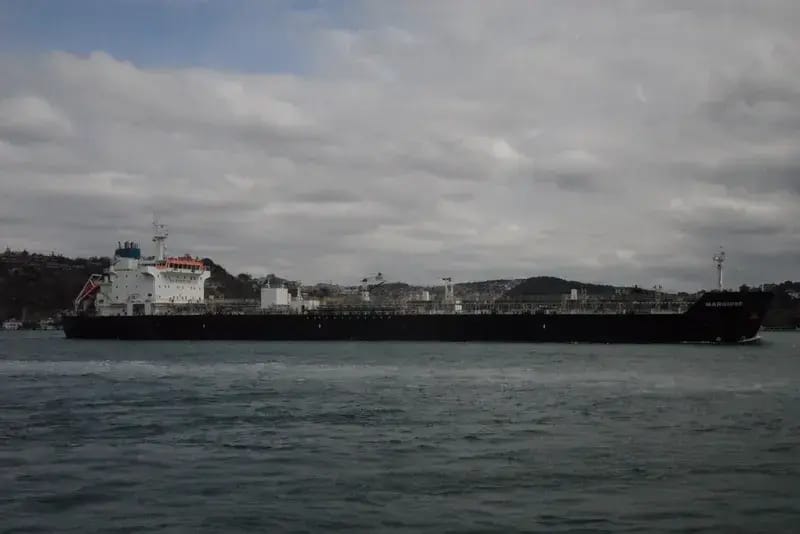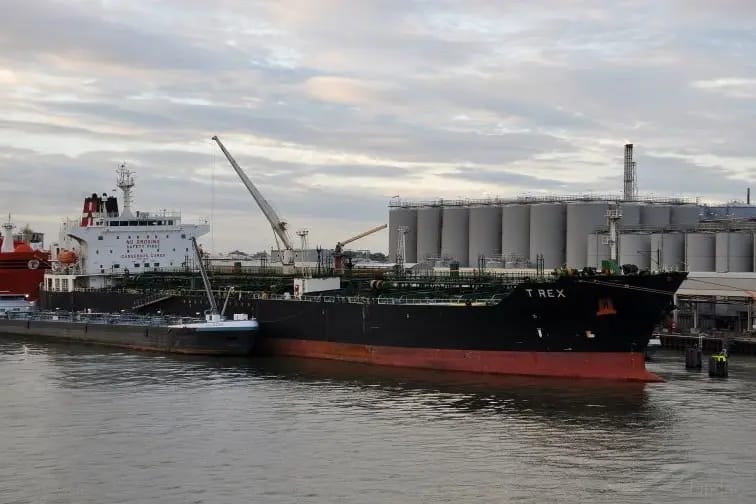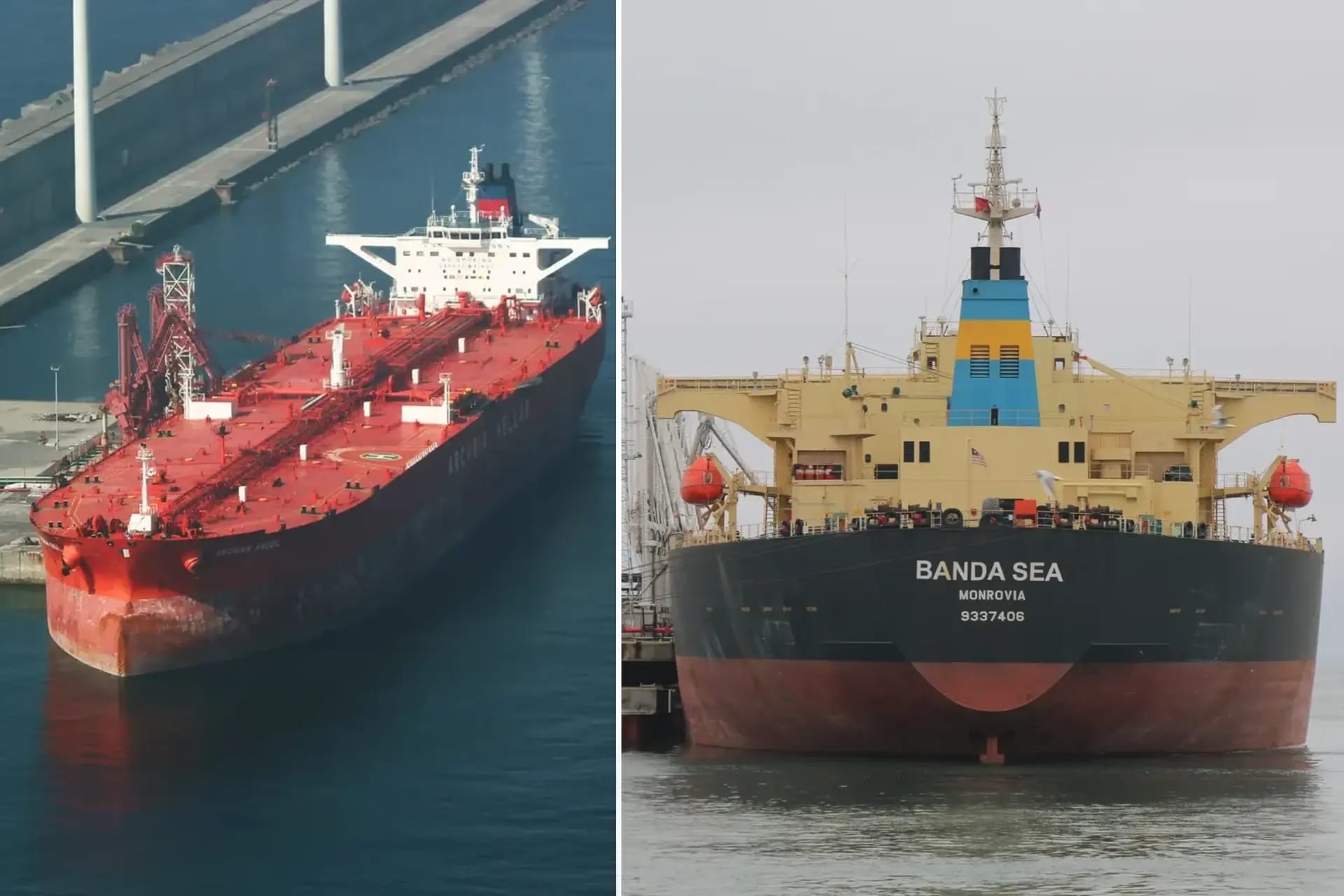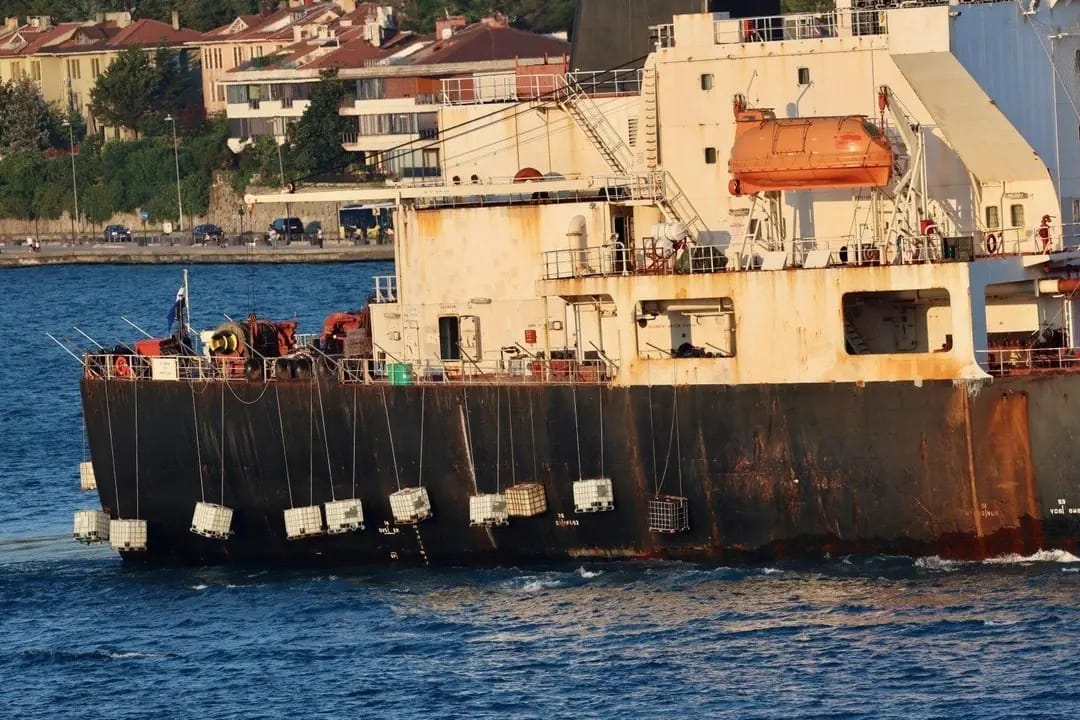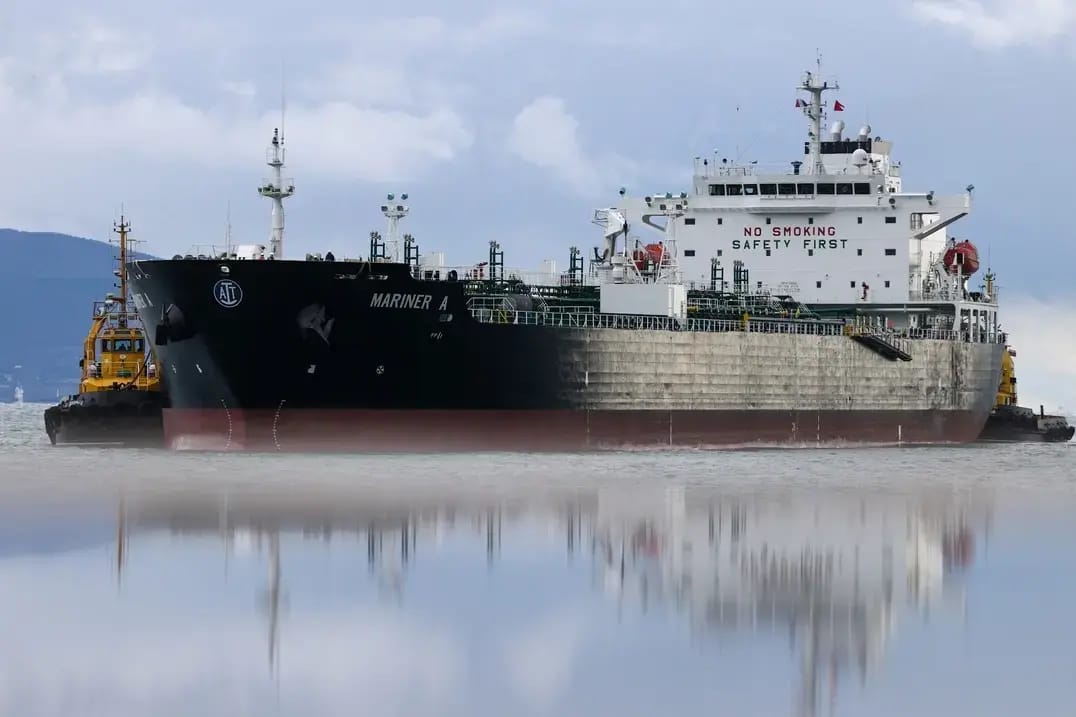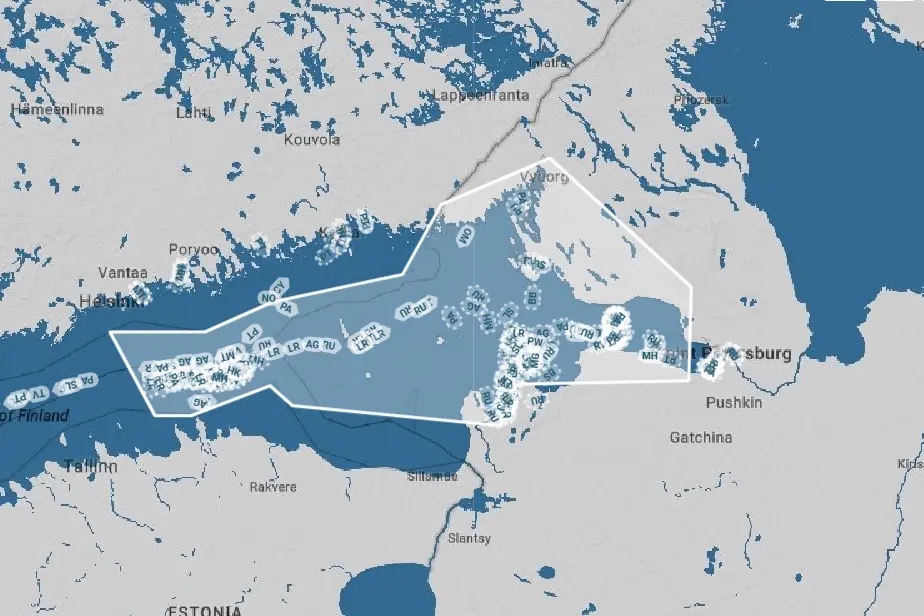
A backlog of tankers and cargo ships has formed in the Gulf of Finland as vessels wait for permission to enter Russia’s northern ports. Ukrainian attacks on Russian shipping in the Black Sea have led Moscow to redirect traffic towards the Baltic Sea, and as a result, wait times at the port of Ust-Luga can now reach five days.
The unusual buildup was first flagged by the open source intelligence researcher Russian Forces Spotter.
As of Sept. 30, about 150 vessels were waiting for clearance to enter Russian ports — 65 tankers and 85 cargo ships, according to Russian Forces Spotter. There are now about 200 vessels in the area: 111 tankers and 83 cargo ships. That figure includes both ships waiting to enter port and vessels that have recently departed.
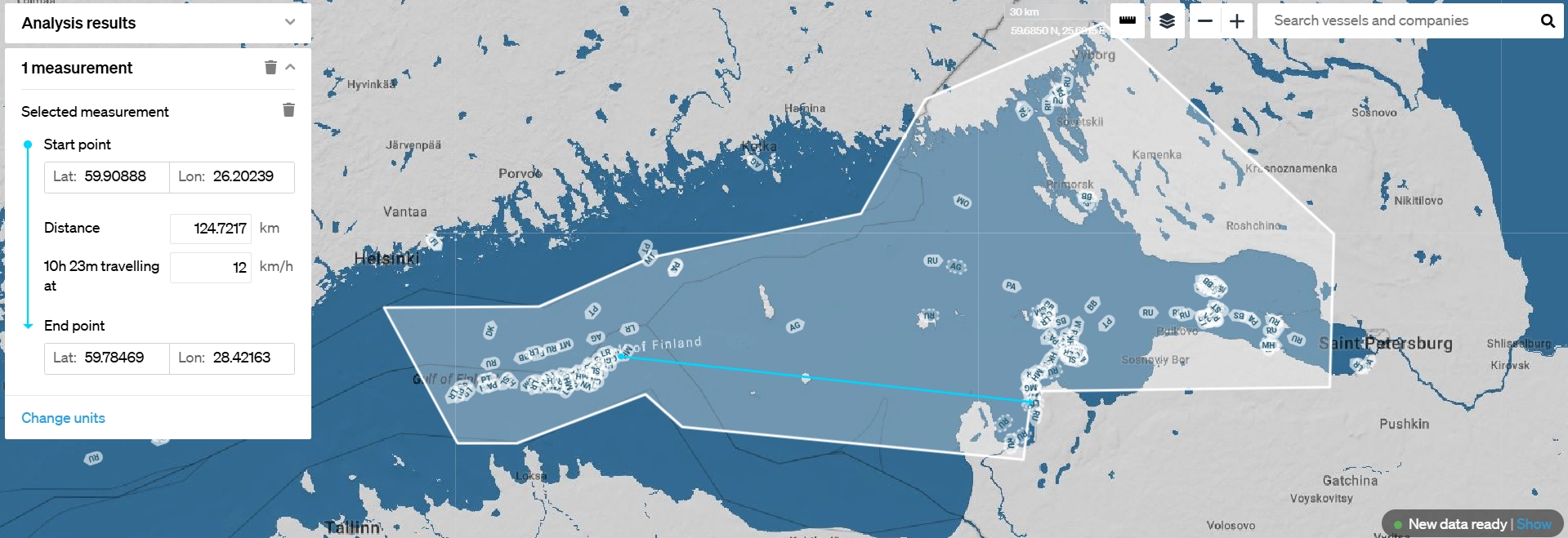
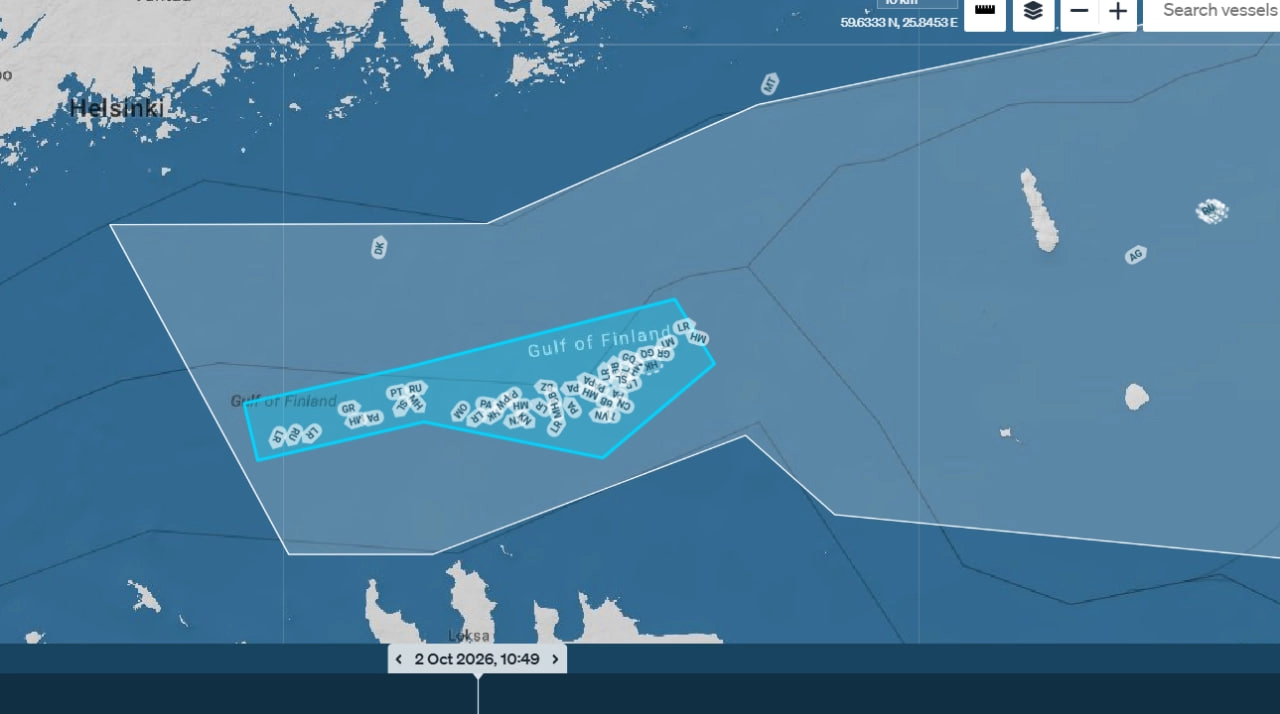
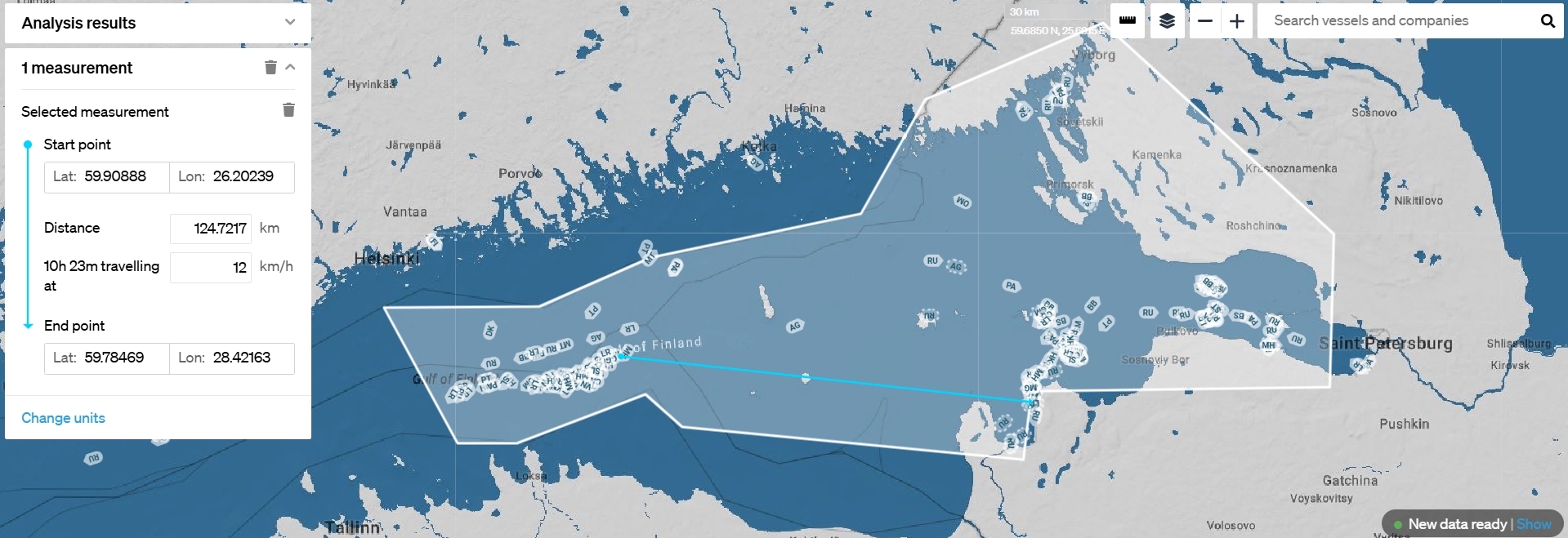
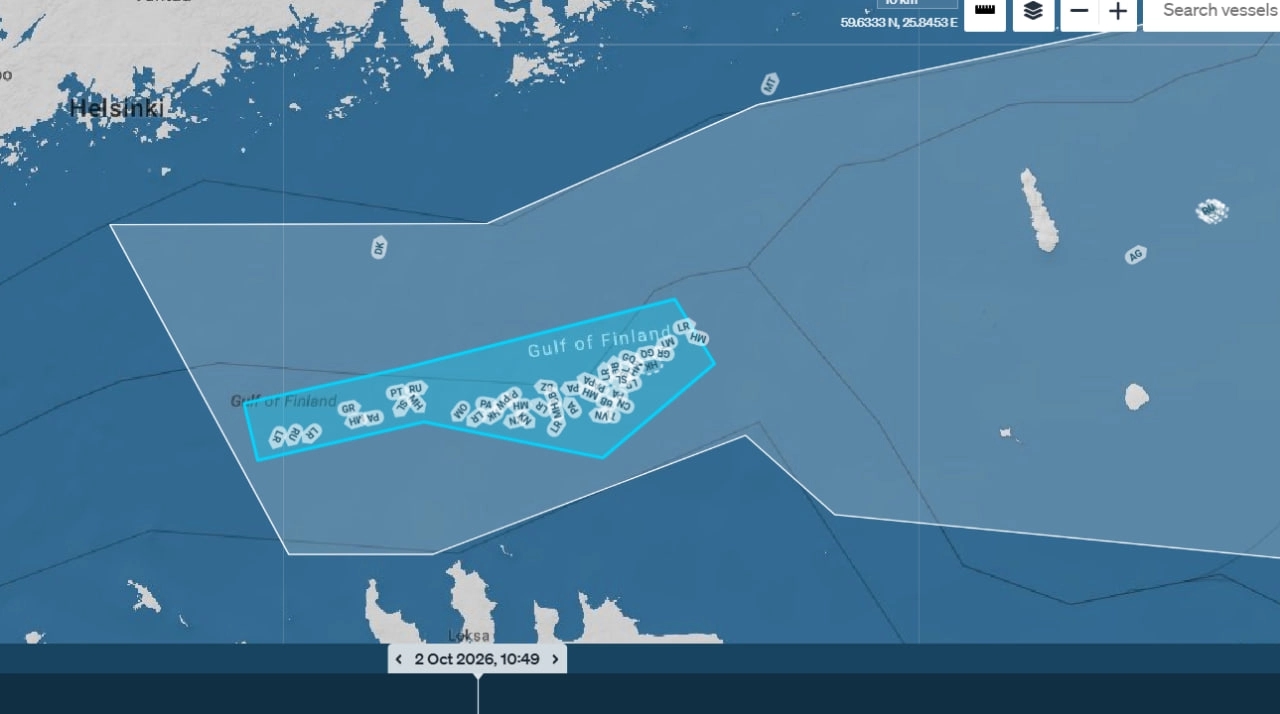
The largest queue, stretching nearly 60 kilometers, has formed around the entrance to the Gulf of Finland. The ships are clustered about 120 kilometers from Ust-Luga, one of Russia’s key oil terminals in the region. Of the 43 vessels currently waiting, at least six are part of Russia’s “shadow fleet” (a term commonly used for ageing, poorly insured vessels involved in transporting oil in ways designed to circumvent international sanctions).
A month ago, the queue was about half as large, with roughly 24 vessels.
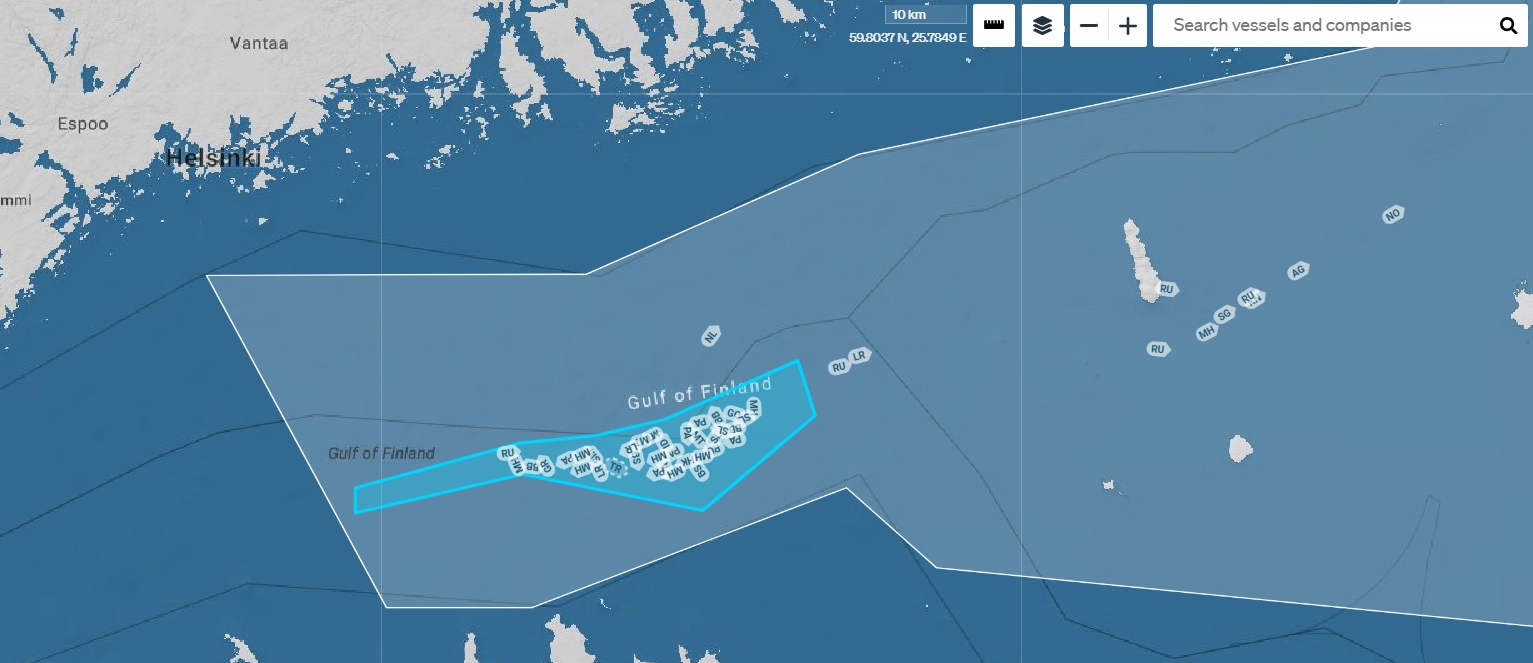
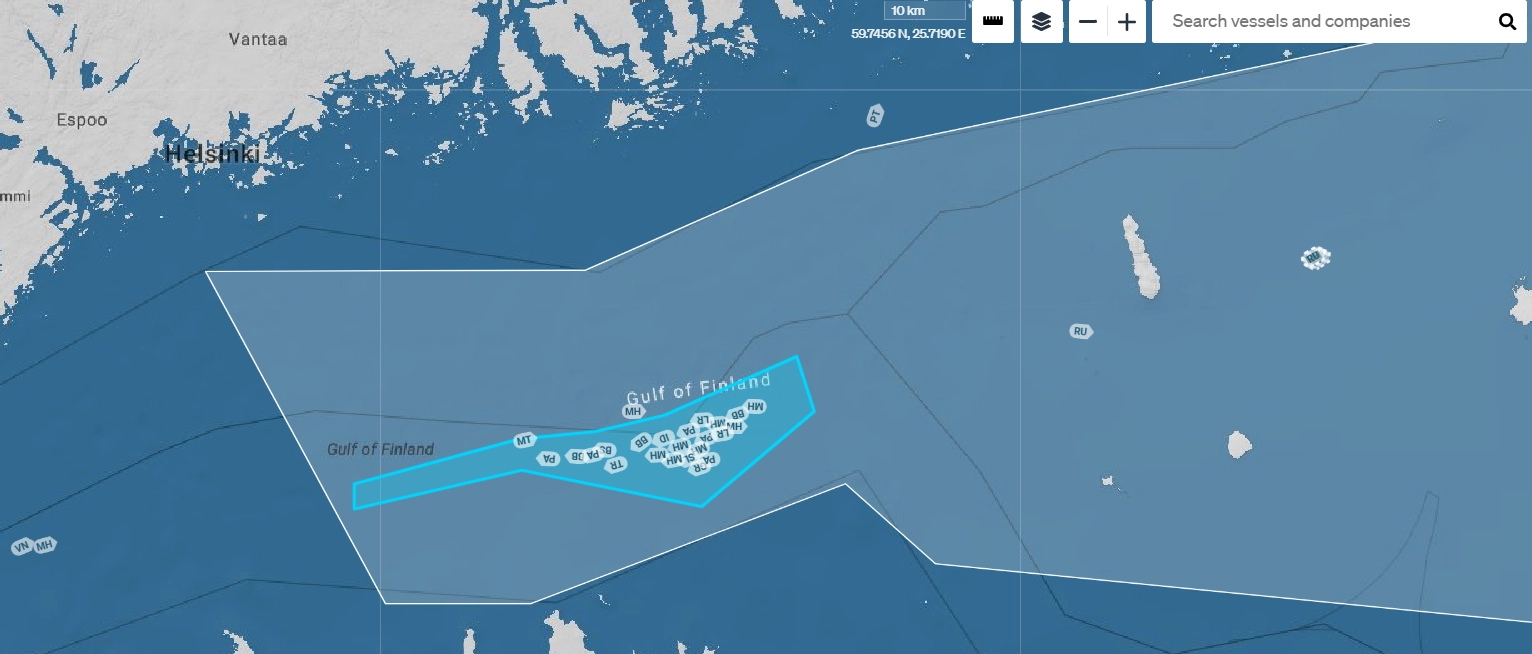
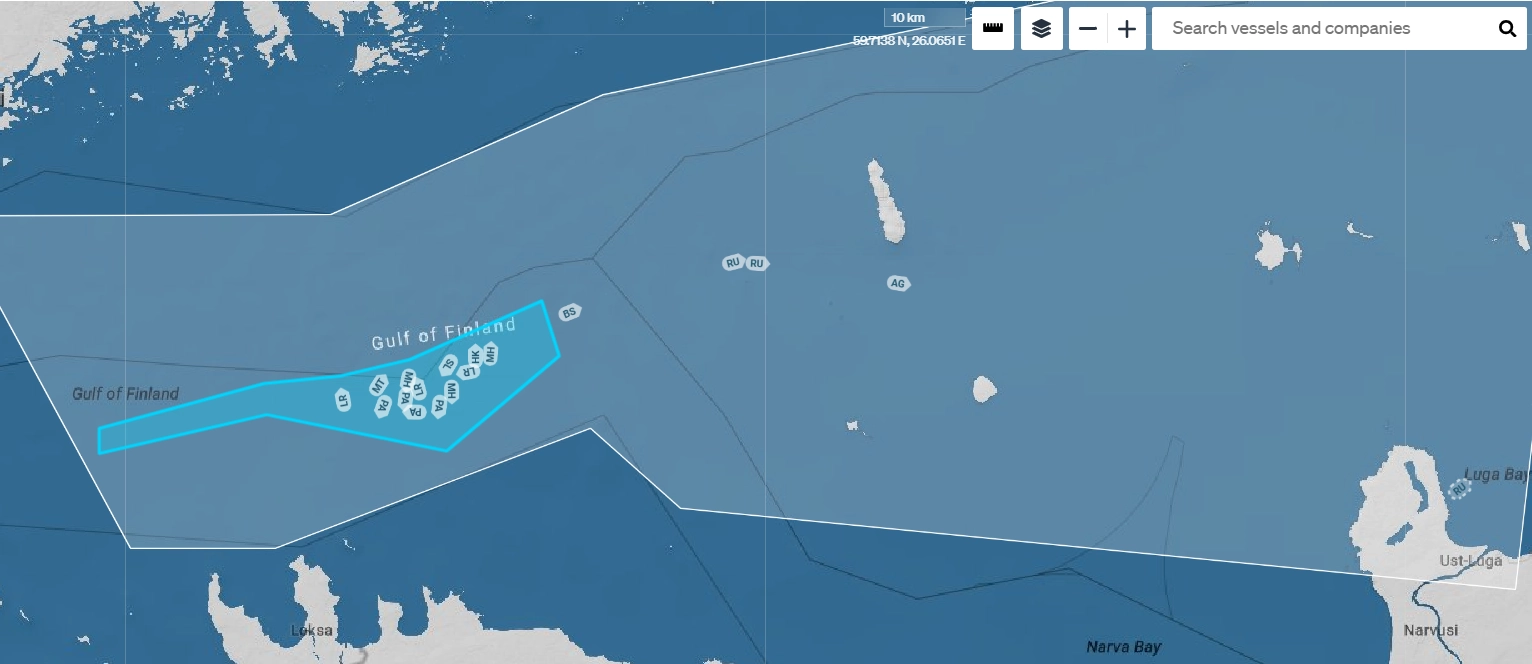
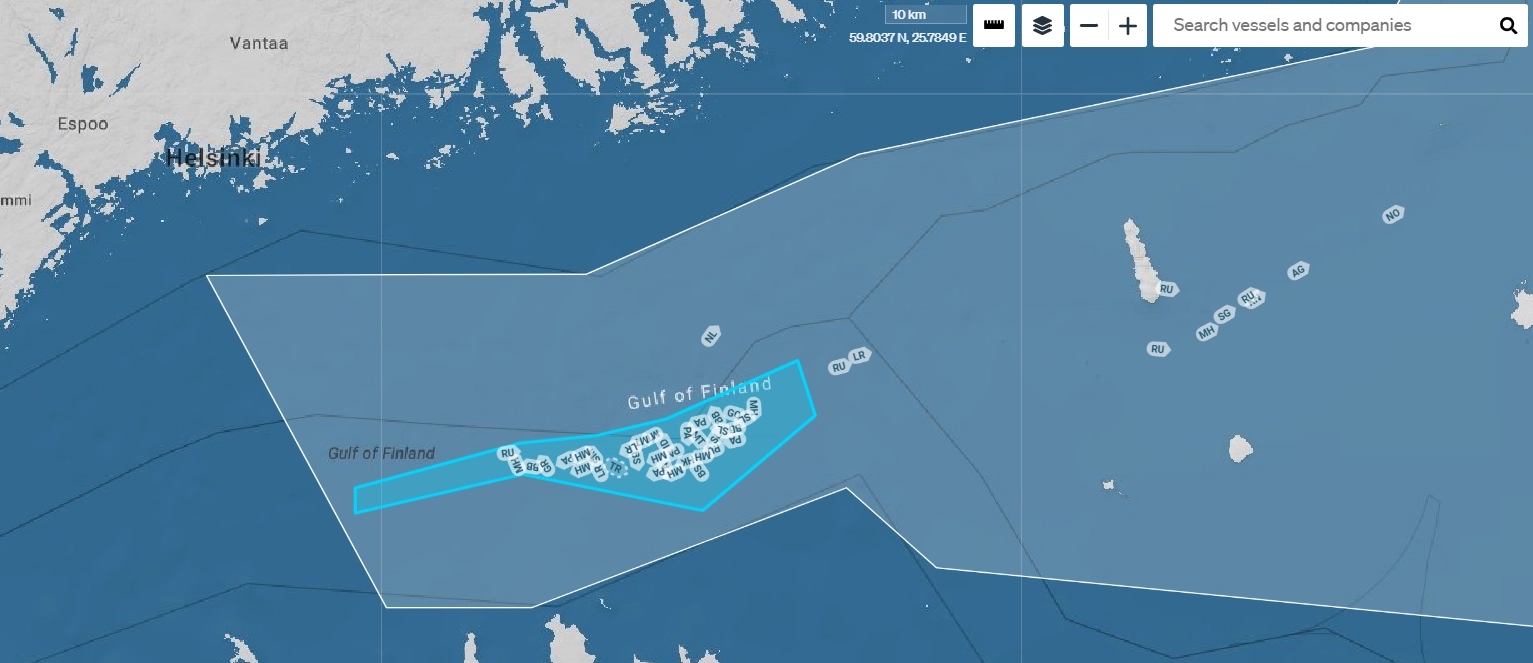


The congestion began building in mid-August. Maps from earlier in the summer show no more than 10 vessels in the area, but by September 30 to 40 ships could be seen waiting on most days.
In mid-August, Reuters reported that Russian authorities had begun implementing a plan to free up export capacity at Baltic ports and had therefore begun routing Kazakh oil through the port of Novorossiysk for export. The move came amid increased shipping risks in the Black Sea, where Russia-linked vessels became regular targets of Ukrainian drone attacks in the second half of the summer.