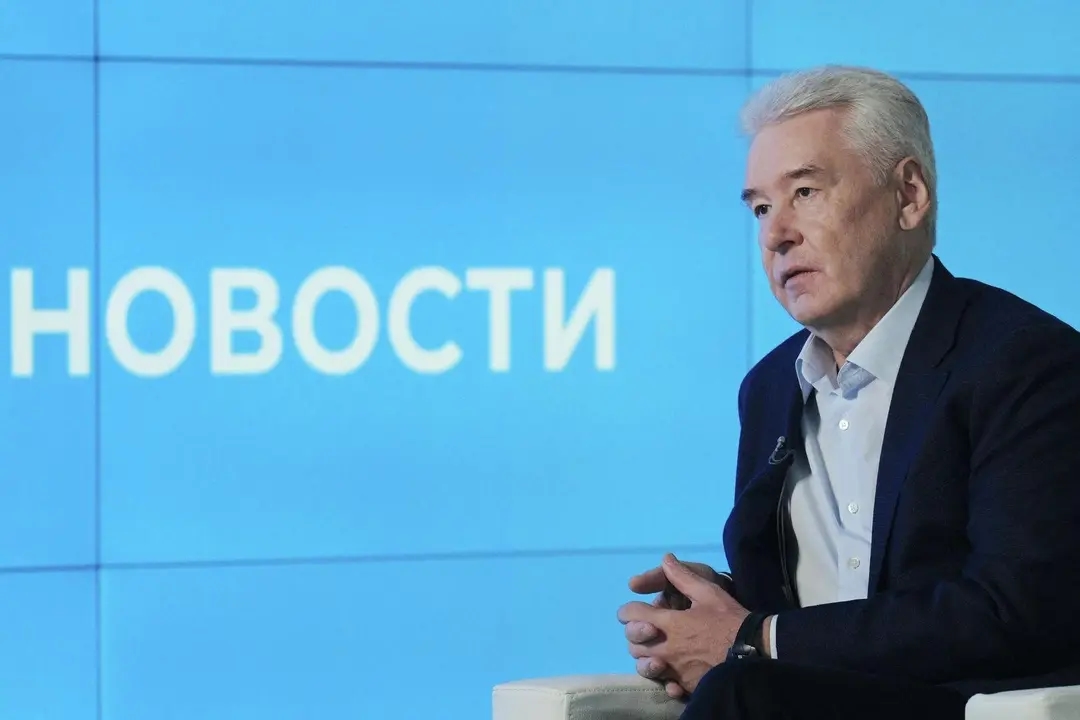
Moscow Mayor Sergei Sobyanin recently claimed that calls to mobilize Russia’s entire economy for the needs of the ongoing invasion of Ukraine come from people who do not understand the issue. In his view, the country cannot succeed at the front lines without a normally functioning civilian economy.
Sobyanin made the comments in an interview that aired on the Rossiya 24 television channel, as per Interfax.
Sobyanin, who heads the federal list of the Kremlin-affiliated United Russia party ahead of September’s State Duma elections, continued:
“We constantly hear talk that the entire economy must be mobilized, turned toward war and so on. But the modern economy is built differently. If there is no civilian economy, no taxes, no household income, the political situation will be completely different, and then we will not achieve success in the war. To kill life, to kill a normal economy, is to kill the country altogether. So these are unnecessary, worthless conversations by people who do not understand how a modern economy and a modern war work.”
The mayor added that modern war is fought “on two fronts”: the battlefield itself and via the maintenance of “a healthy, stable national economy,” without which victory is impossible.
Sobyanin’s statement came a day after lawmakers in the State Duma again raised the need for a mobilization-based economic model. Nikolai Arefyev, first deputy chairman of the lower house’s economic policy committee, said Russia’s economy should have been made a mobilization economy “long ago,” while Andrei Kolesnik, a member of the defense committee, called for a shift “onto military rails,” using a Russian phrase that means placing the economy on a war footing.
At the same time, in late July Russia’s Central Bank lowered its forecast for GDP growth in 2026 to between 0% and 1%, while the Economic Development Ministry estimated that economic growth slowed to an annualized 0.3% in May.
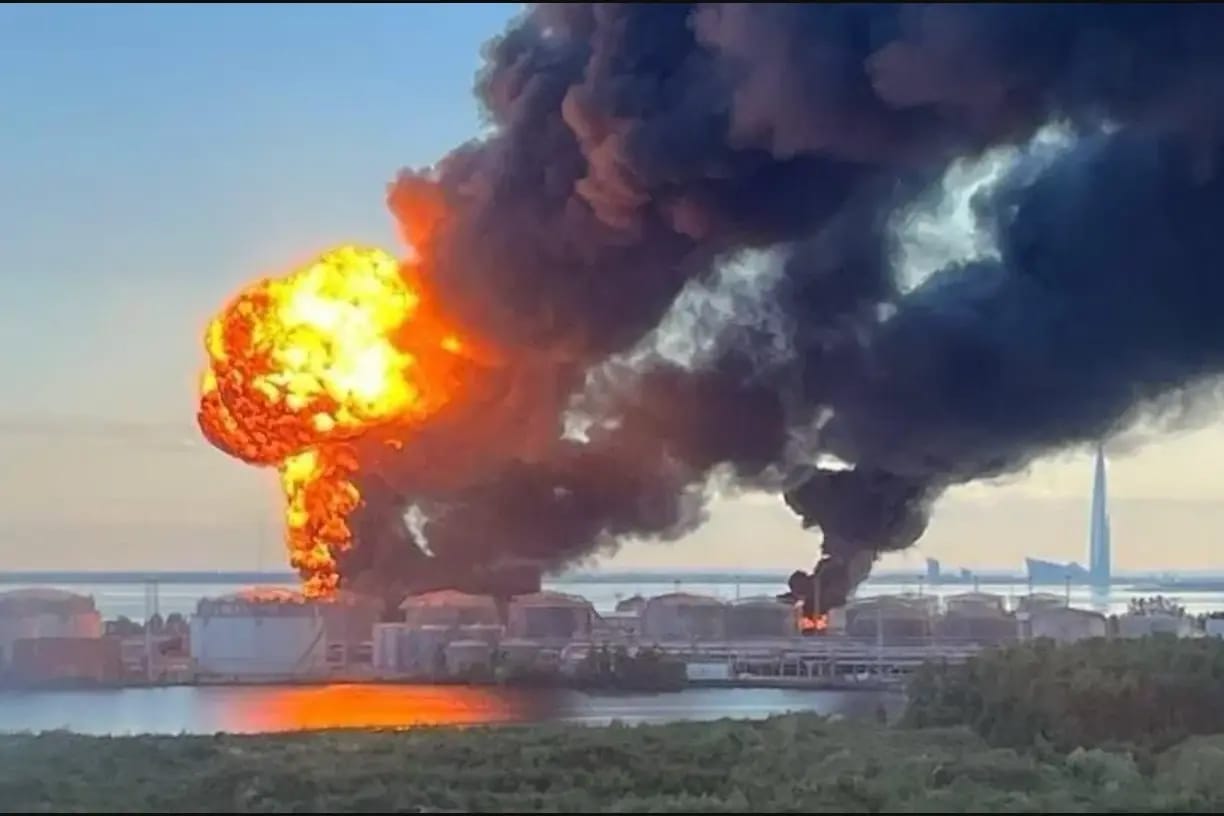
Additional pressure is coming from the fuel crisis: due to Ukraine’s sustained drone strikes against Russia’s oil refineries, output of petroleum products fell 21.8% in June year-on-year, while dozens of regions imposed restrictions on the sale of gasoline.
According to Janis Kluge, a researcher at the German Institute for International and Security Affairs, Russia’s war spending reached a record 5.9 trillion rubles in the first quarter of 2026, almost 30% more than a year earlier. The authorities’ earlier budget plans had projected a reduction in defense spending.