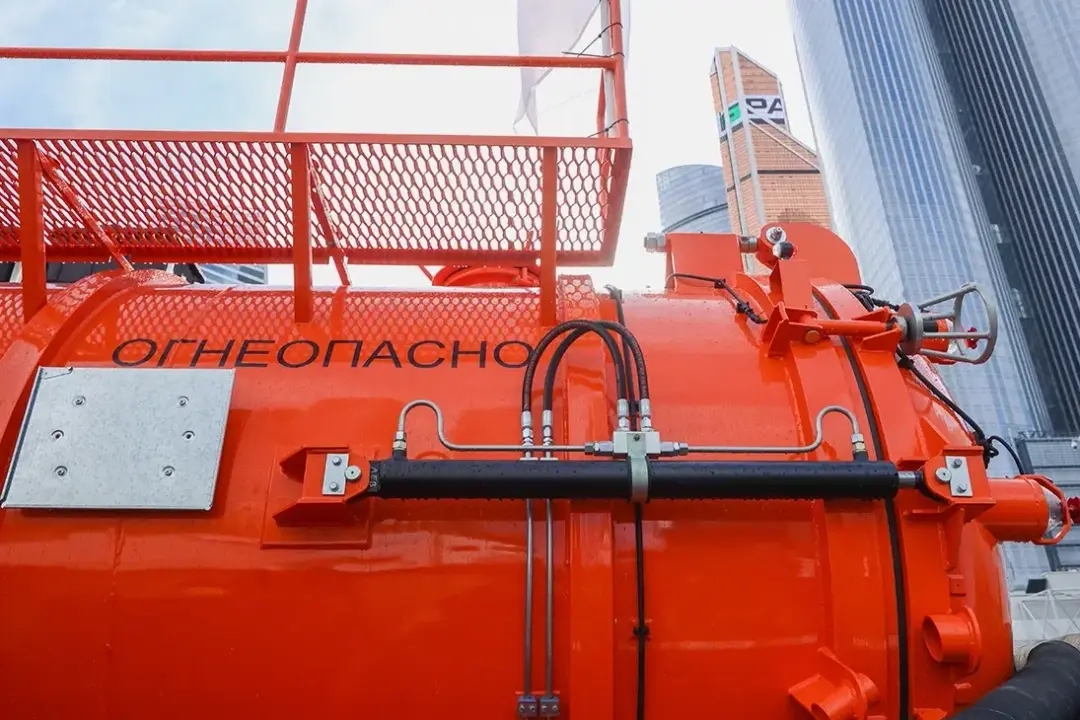
Starting from June 23, fuel trucks have been allowed to enter Moscow around the clock and without obtaining the necessary permits, according to an announcement posted on the website of Mayor Sergey Sobyanin.
“This temporary measure is being introduced at the request of owners of gas station networks in Moscow and the Moscow Region. To ensure uninterrupted fuel supplies to gas stations, drivers of fuel tanker trucks may enter the city around the clock and travel without obtaining a freight permit. Fuel truck drivers will not be fined for lacking a permit,” the statement said.
Under the rules that were previously in force, truck drivers whose vehicles were above the maximum permitted weight of 3.5 metric tons were required to obtain special permits to travel around the city.
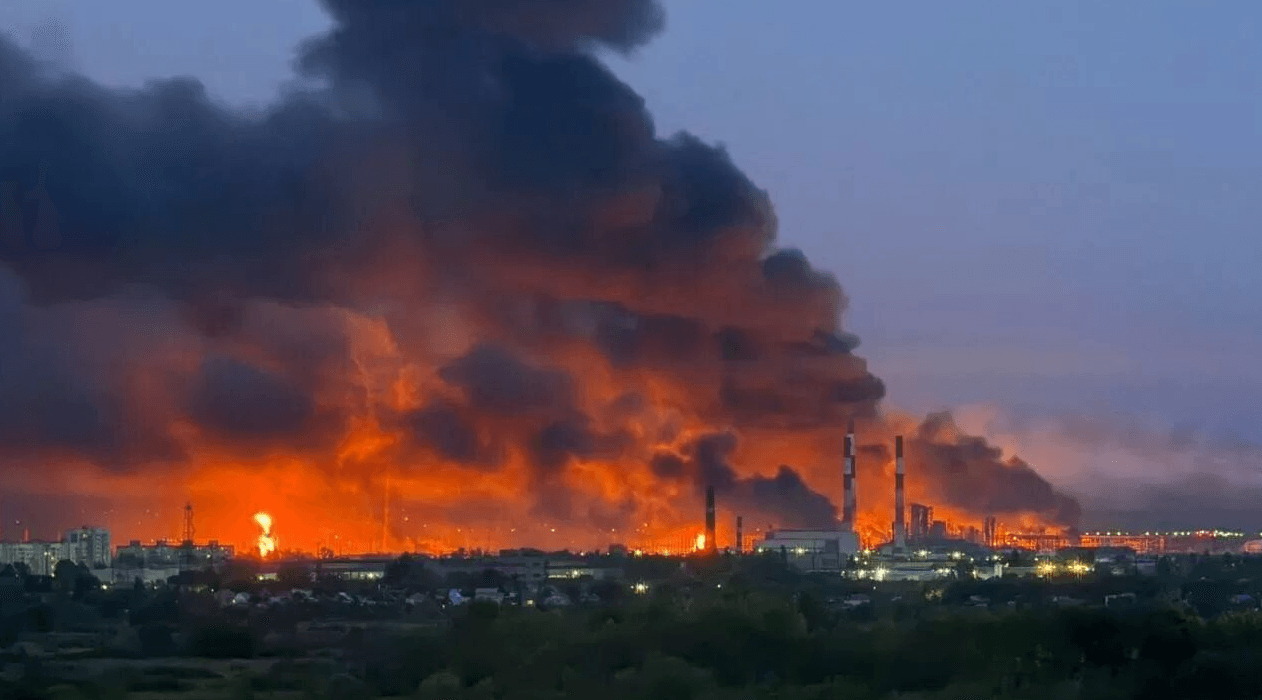
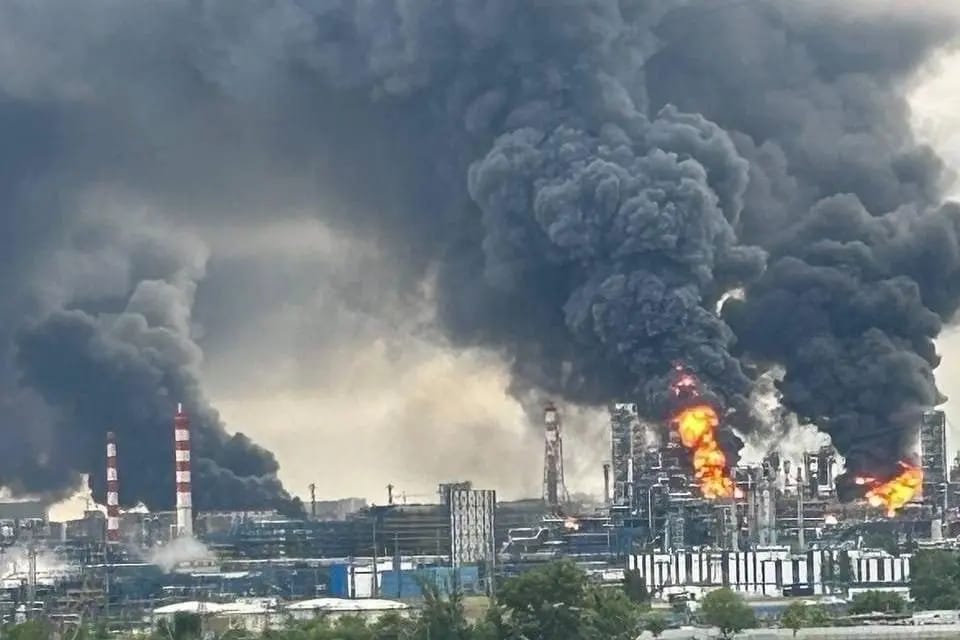
In mid-June, Ukrainian drones twice attacked the Moscow Oil Refinery, which supplies around 40% of Moscow’s gasoline, half of its diesel, and meets 70% of the Moscow Region’s demand for gasoline and jet fuel. After the first attack took place overnight into June 16, Reuters reported that the plant’s main crude distillation unit, which accounts for 53% of its capacity, had been hit. After the second strike, which took place overnight into June 18, open source intelligence (OSINT) analysts reported hits on the refinery’s tank farm and several other key units.
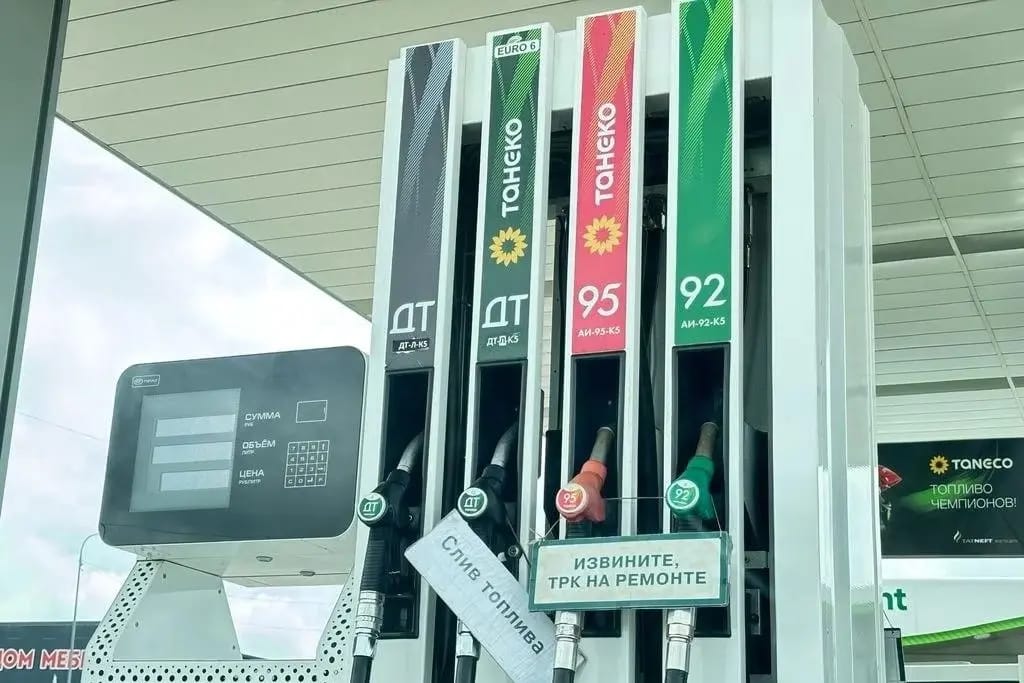
Several Russian regions have imposed restrictions on fuel sales as shortages continue to affect an increasing number of areas, including the Saratov, Omsk, Tomsk, Voronezh, Novosibirsk, and Penza regions, the Khanty-Mansi autonomous district, as well as the cities of Vladivostok and St. Petersburg.
Fuel sales have been halted completely in illegally annexed Crimea and Sevastopol, while restrictions have also been introduced in the Russian-occupied areas of the Donetsk and Luhansk regions of Ukraine, where purchases are capped at 30 liters and 20 liters, respectively.