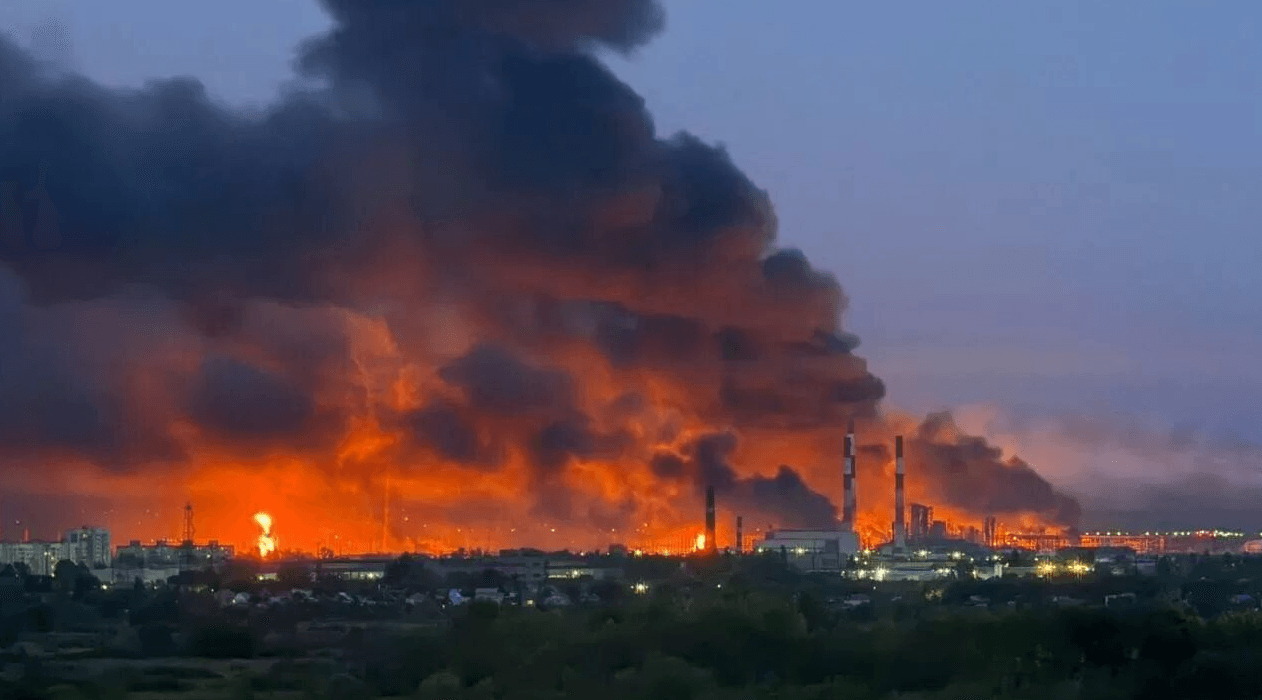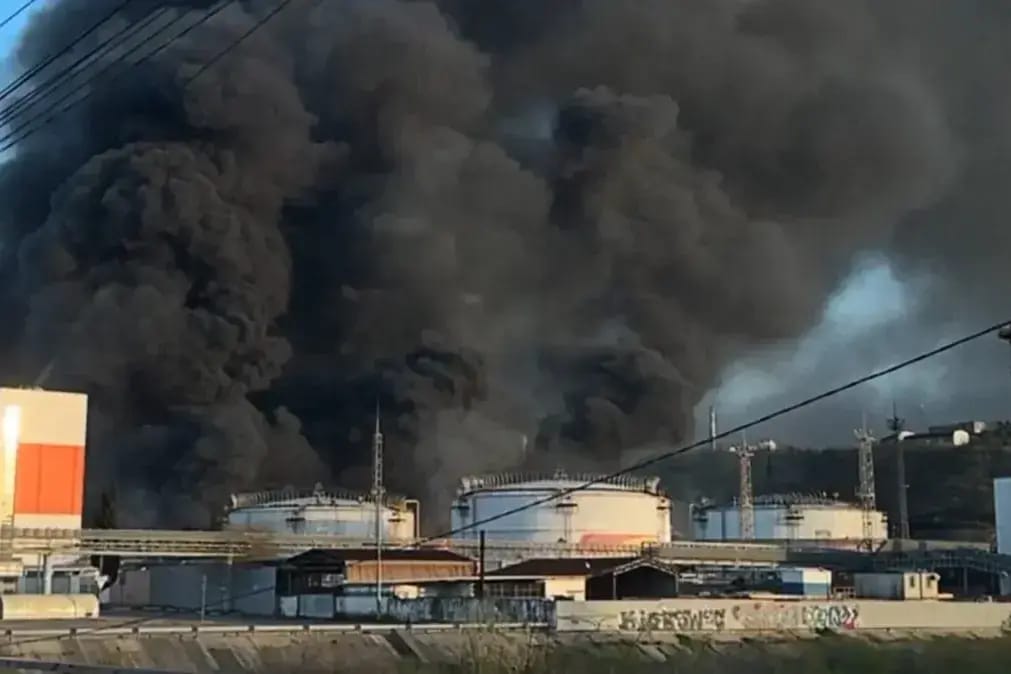
Top health official Anna Popova, the head of Russia’s consumer watchdog Rospotrebnadzor, told journalists earlier today that there are currently “no health risks” for residents of the town of Tuapse on the Black Sea coast, despite an ongoing fire at an oil refinery following repeated Ukrainian drone strikes over the past two weeks. She said specialists on the ground are “doing everything to ensure that no risks arise for local residents” and that the situation is under “close [government] control.”
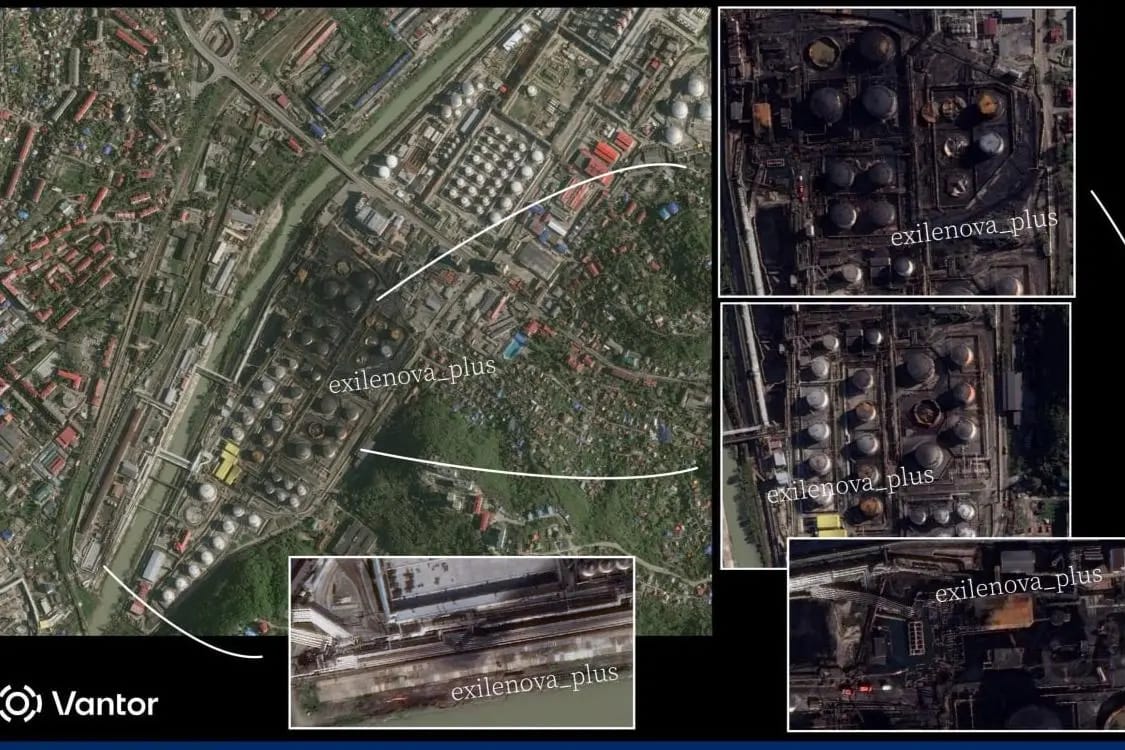
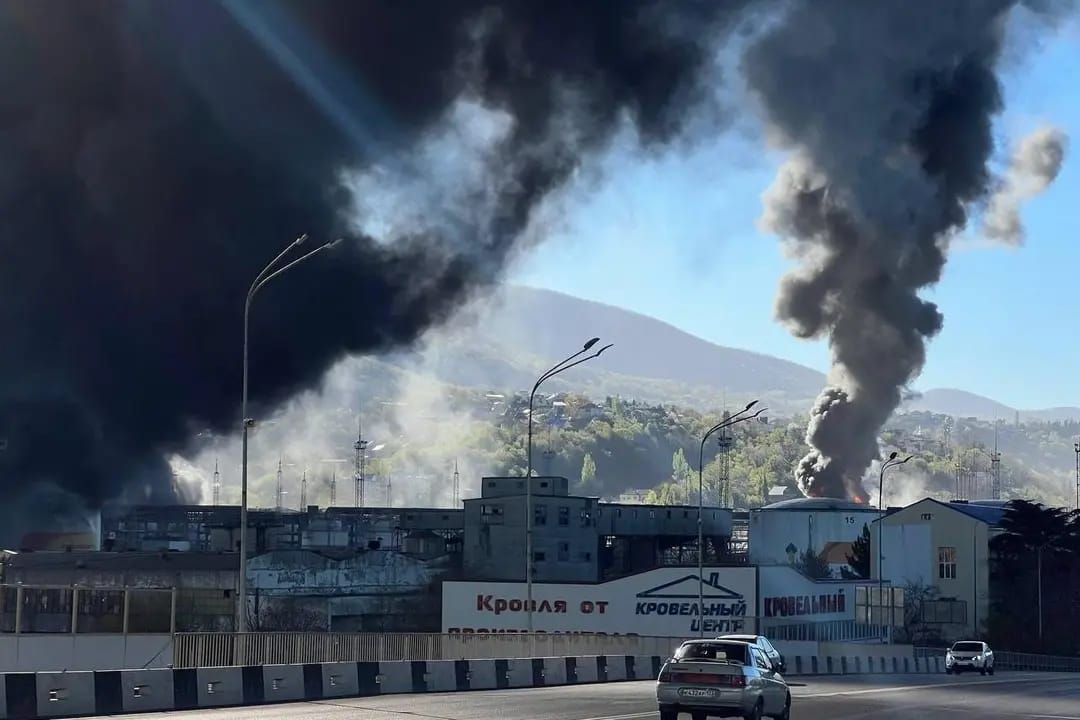
The latest fire broke out overnight April 28 after drone debris fell on the oil refinery, which is run by state-owned oil corporation Rosneft. A state of emergency has been declared in the Tuapse District, with 60 people evacuated from nearby homes.
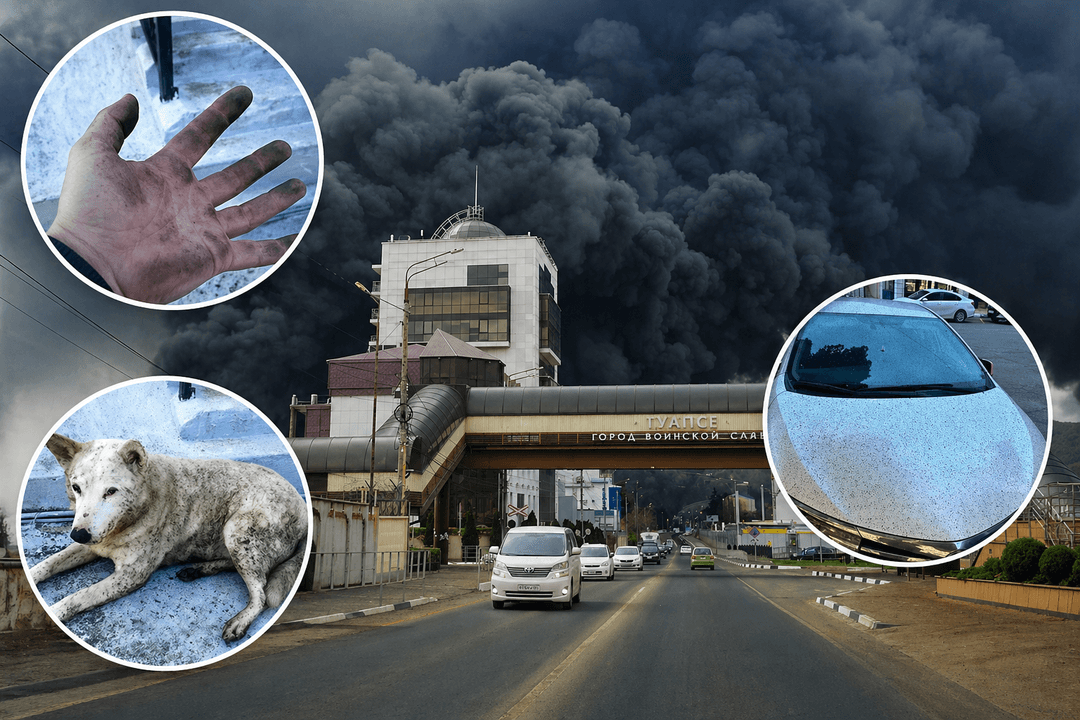
However, Rospotrebnadzor’s own earlier measurements recorded levels of harmful substances above permitted limits. According to the agency’s data from April 21, benzene, xylene and soot levels in the air were two to three times above the legal threshold. For several days, local residents have reported “black rain” — precipitation mixed with the byproducts of burning oil — as well as black residue and an oily film on surfaces across town.
A report from April 29 said the most recent tests showed “a slight exceedance of the maximum one-time permissible concentration of benzene in the air.”
Environmentalists warn that the toxic combustion products pose a serious health threat. Vladimir Slivyak, co-chair of the environmental NGO Ecodefense!, told The Insider that fires similar to the one in Tuapse fires produce toxic and carcinogenic substances, and that benzene is a Class 1 carcinogen that can cause cancer. People with respiratory illnesses are especially vulnerable.
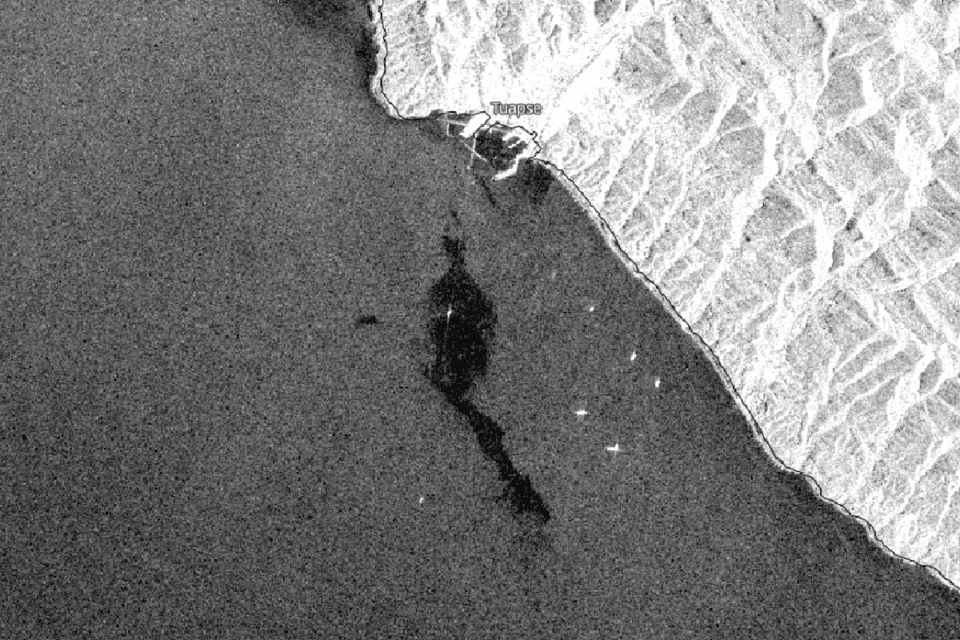
Environmentalists say smoke from the fire spread beyond Tuapse and reached the cities of Anapa, Sochi and Stavropol. Wild and stray animals have also been affected, with toxic substances damaging birds’ feathers and entering their bodies.