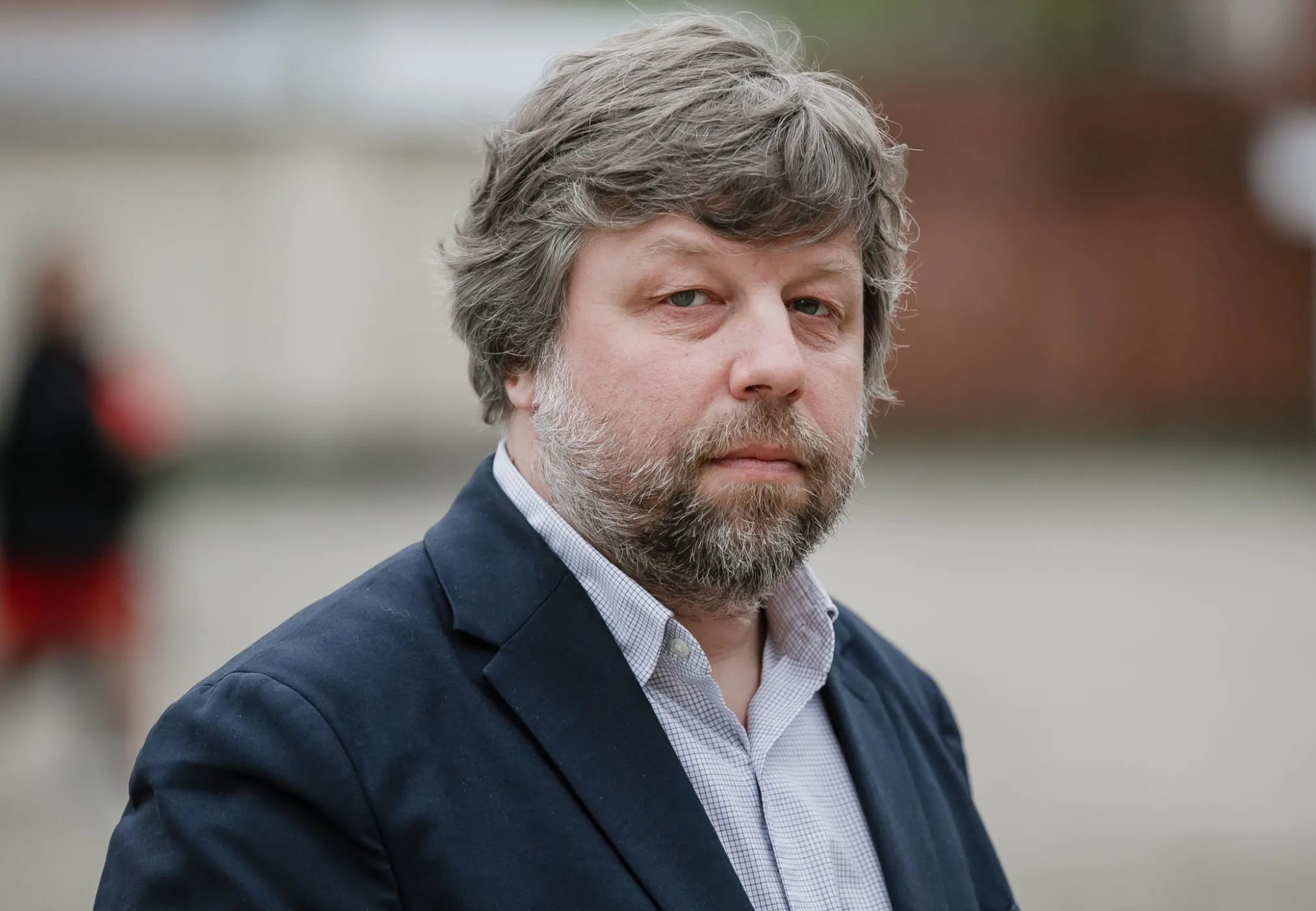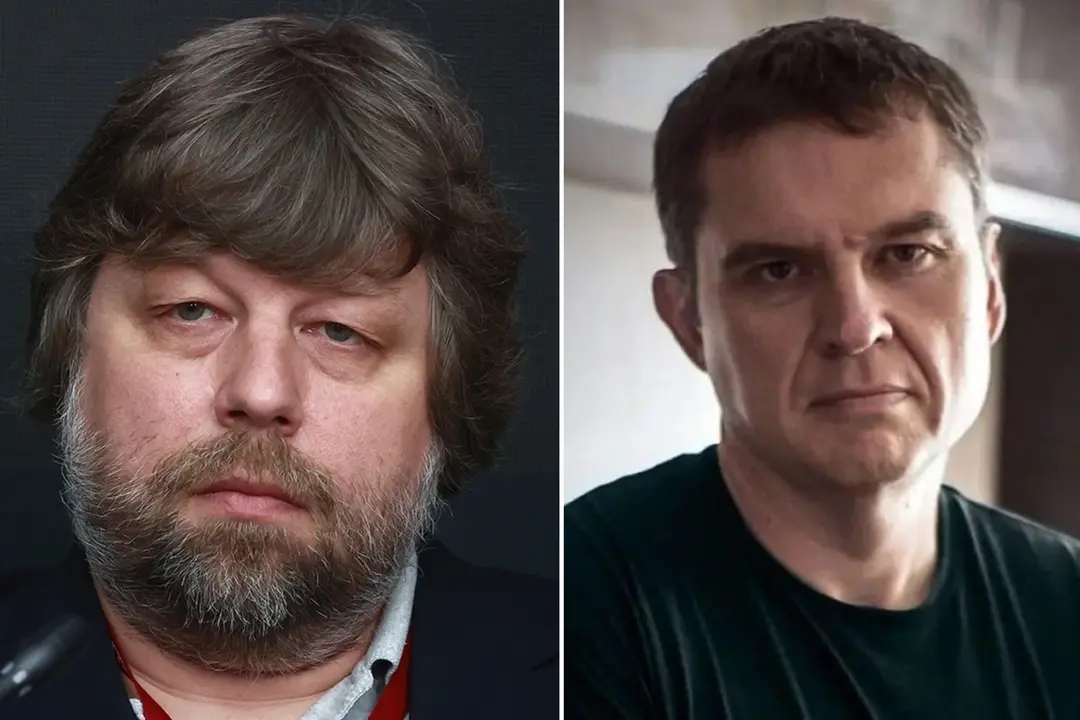
On April 28, Poland released Russian archaeologist Alexander Butyagin as part of an exchange with Belarus. His extradition to Ukraine had previously been under consideration. Poland also released the wife of an unidentified Russian serviceman, a Transnistria native, according to a report by the Interfax news agency citing Russia’s Federal Security Service (FSB).
The release was part of a U.S.-brokered prisoner exchange involving Belarus, Kazakhstan, Moldova, Poland, Romania, Russia, and Ukraine. It came amid a broader effort to draw Belarus closer to the West, with talks led by Donald Trump’s special envoy to Belarus, John Coale.
Among those freed in Belarus was journalist and Union of Poles activist Andrzej Poczobut, who was arrested in March 2021 and sentenced in 2023 to eight years in prison. According to Belarusian state news agency BelTA, Poczobut was included in the exchange “in view of a personal request” to Alexander Lukashenko from Poczobut’s mother. Poczobut is a co-winner of the 2025 Sakharov prize, alongside Mzia Amaglobeli from Georgia, who is currently serving a two-year sentence on political grounds. The award was bestowed in absentia, with European Parliament president Roberta Metsola hailing both as “two journalists whose courage shines as a beacon for all who refuse to be silenced.”
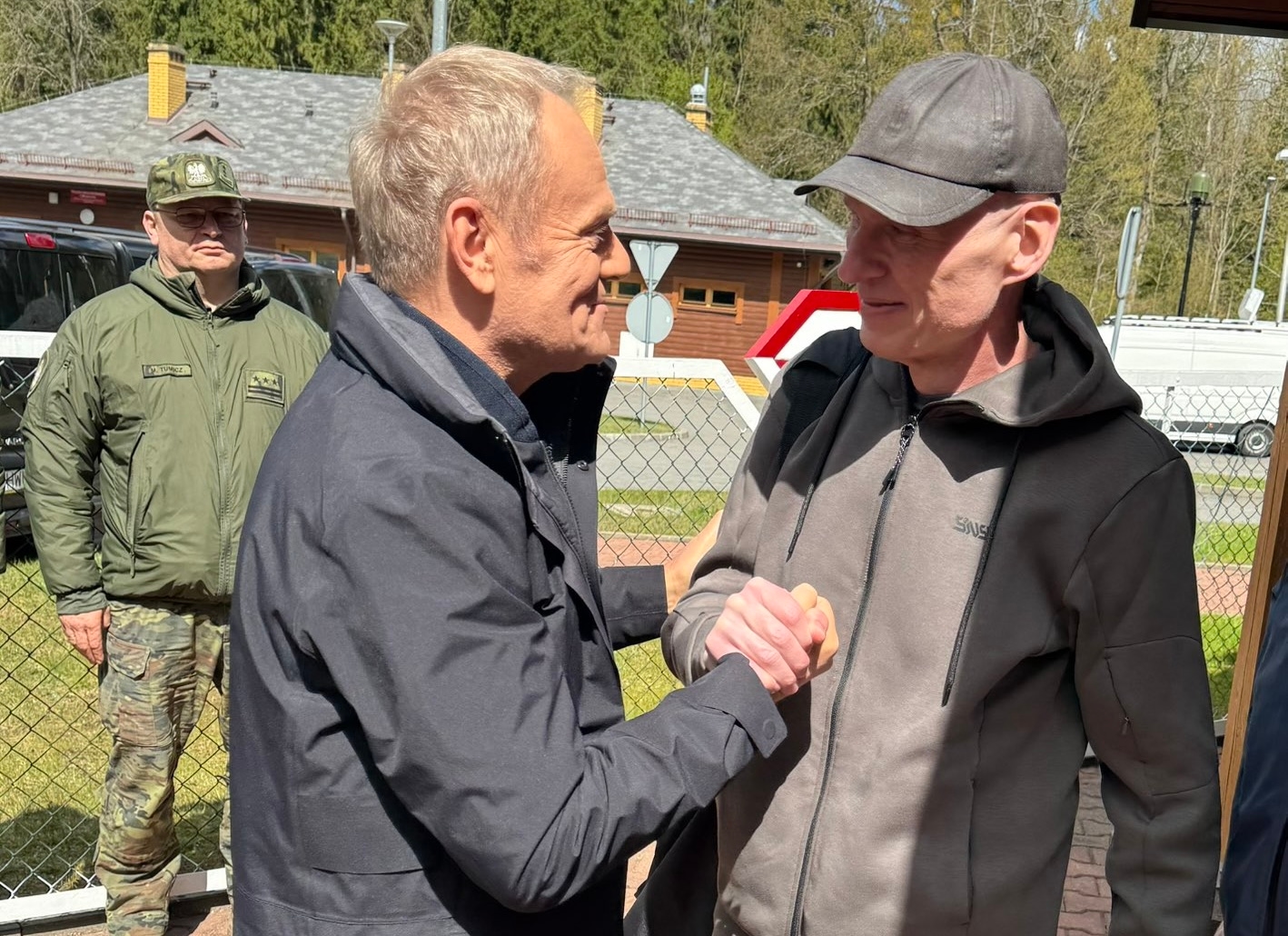
Polish Prime Minister Donald Tusk confirmed Poczobut’s release, posting a photo of him on social media and writing: “Andrzej Poczobut is free! Welcome to your Polish home, my friend.”
The FSB also said Belarus handed over two “officers of the Moldovan security services.”
The exchange took place April 28 at the Pererov-Belovezha crossing on the Belarusian-Polish border. The Belarusian KGB said its intelligence service and Poland’s Foreign Intelligence Agency took part in the operation. The “five for five” swap saw people convicted of espionage in Belarus and Russia exchanged for five citizens detained in EU countries and other states.
Belarusian state media said 10 people in total were freed in the exchange — citizens of multiple countries who were “given the opportunity to reunite with their families.” They also claimed some of the individuals included in the swap were Belarusian citizens who had carried out “particularly important tasks in the interests of national security,” and that Lukashenko’s had personally worked to secure their release.
In 2024, Polish national Poczobut was one of the notable figures who was not included in the largest prisoner exchange between Russia and the West since the end of the Cold War — this despite the fact that Russian intelligence officer Pavel Rubtsov (also known as Pablo González), who had been held in Poland, was handed over to Russia at the request of the United States. On the day of the exchange, John Coale, the U.S. president’s special envoy for Belarus, held several meetings in Warsaw, including with Polish President Karol Nawrocki and Foreign Minister Radosław Sikorski. The content of the talks was not officially disclosed.
Meanwhile, a Polish citizen remains imprisoned in the self-proclaimed “Luhansk People’s Republic.” In April, the “republic’s” “Supreme Court” sentenced 47-year-old Krzysztof Flaczek to 13 years in a maximum-security penal colony on charges of mercenarism. According to the court, he came to the combat zone “for material reward” and fought on the side of Ukraine before being captured by Russian forces.
Butyagin’s arrest
Alexander Butyagin, head of the Northern Black Sea archaeology sector in the Hermitage Museum’s Department of the Ancient World, was detained in Warsaw in December at Ukraine’s request. At the time of his arrest, he was traveling in Europe and giving lectures. Ukrainian authorities accuse him of conducting illegal archaeological work in annexed Crimea, particularly at the site of the ancient city of Myrmekion in Kerch. Investigators say Butyagin was involved in the destruction of cultural heritage sites on the peninsula, with damage estimated at more than 200 million hryvnias ($4.8 million).
The archaeologist has worked at excavations in Myrmekion since the 1980s. Colleagues previously noted that before 2014, he had received permits from Ukrainian authorities to do work on the peninsula, but after Russia’s illegal annexation of Crimea, that was no longer possible.
On March 18, a court in Warsaw had approved Butyagin’s extradition to Ukraine, but that process was never carried out.