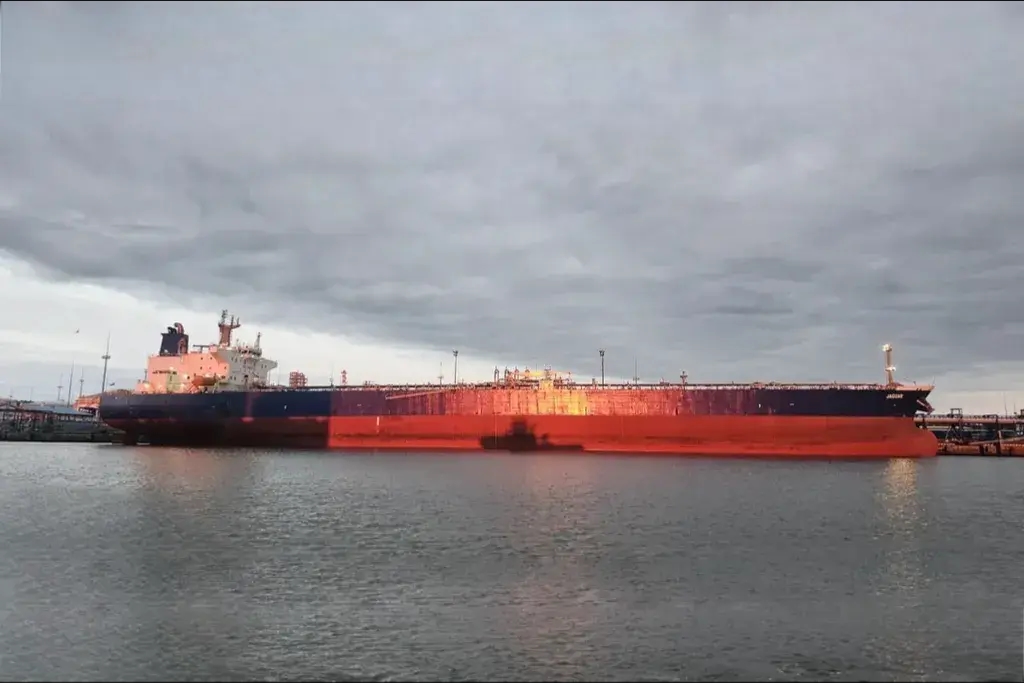
Estonia will refrain from detaining vessels from Russia’s “shadow fleet” in the Baltic Sea due to concerns about military escalation, Reuters reported on April 10 citing Estonian Navy Commander Ivo Värk.
According to the report, the risk of a forceful response from Moscow in the event of such a seizure is considered “just too high.” The senior commander said Estonia would avoid such actions, despite efforts by other European countries to detain sanctioned vessels transiting their territorial waters.
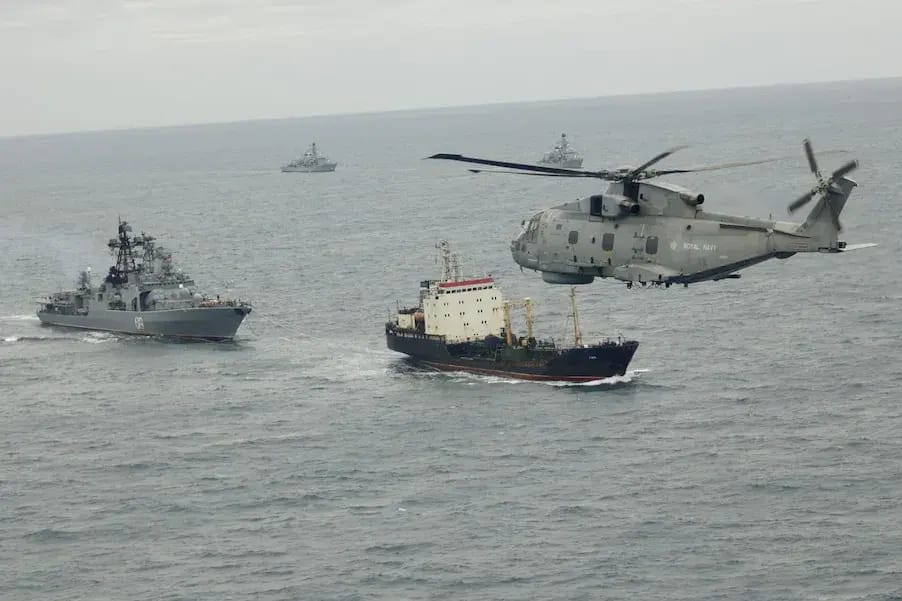
The report also cited a May 2025 incident in which, according to Tallinn, a Russian fighter jet entered NATO airspace during an attempt to stop a tanker sailing without a flag. Estonia had sought to inspect the tanker Jaguar (IMO: 9293002), which was operating under a false flag, but the vessel later moved into Russian territorial waters. After the failed attempt, Estonia adopted a more cautious approach, the Reuters source said.
According to the military official, Russia subsequently began conducting constant patrols of the Gulf of Finland, efforts that involved the participation of several armed vessels. As a result, Estonia is considering intervention only in cases of imminent danger, such as oil spills or damage to underwater infrastructure.
“In case of suspicion, the Transport Administration has the authority to board and inspect the vessel”
As previously reported by The Insider, European countries have limited tools for seizing ships, and their restraint is largely shaped by international maritime law. The United Nations Convention on the Law of the Sea (UNCLOS) guarantees vessels flying a national flag the right of innocent passage, including through the Baltic Sea. However, the absence of a flag or the use of false registration can serve as grounds for detention, although Russian authorities typically describe these actions as “illegal interference in [the] freedom of navigation.”
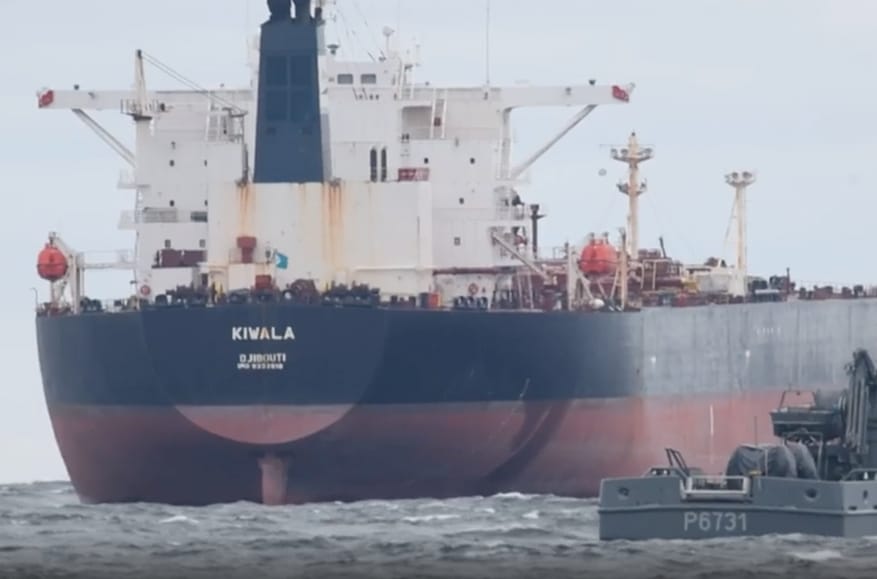
Estonia has been one of the few countries to attempt such enforcement against Russia’s “shadow fleet.” In April 2025, several months before the Jaguar incident, Estonia detained the tanker Kiwala (IMO: 9332810), which was sailing under the false flag of Djibouti. The same vessel, later renamed Boracay, was detained again by France on Sept. 27 on the same grounds. Both countries ultimately released the seized ships.
After the incidents involving Kiwala and Jaguar, Estonia’s Defense Ministry told The Insider that the country would continue detaining vessels that violate maritime law, but declined to comment on whether the appearance of a Russian fighter jet influenced the decision to stop pursuing the Jaguar. The ministry described Russia’s “military operation” as evidence of the effectiveness of monitoring measures and sanctions. In correspondence from August 2025, it was explained that:
“If there is a justified suspicion that a vessel is stateless — meaning it has no legal right to sail under any country’s flag, making questions of state responsibility in the event of an incident unclear — the Convention grants every state the right to take such measures. The Jaguar had no nationality, it was also included on the United Kingdom's sanctions list and lacked insurance. Estonia escorted the tanker until it exited the Estonian Economic Exclusion Zone. There was no immediate threat to national security or infrastructure, and therefore any further steps were not deemed necessary. We will continue to assess each situation individually, and our response may vary accordingly.
The Estonian Transport Administration continuously monitors vessel traffic in Estonian waters. If doubts arise regarding a vessel’s flag state or related documentation, officials will contact the vessel and conduct a preliminary verification. Should suspicions remain that the documentation does not meet requirements, the Transport Administration has the authority to board and inspect the vessel.
If issues are identified, the vessel will be directed to the nearest suitable port for a detailed inspection and, if necessary, detained until all deficiencies are resolved (as happened in Kiwala’s case). Such inspections verify compliance with international regulations to ensure maritime safety, security, and environmental protection.
Peaceful passage through territorial waters is permitted; however, the Estonian Navy’s mission is to maintain maritime situational awareness and to safeguard and defend Estonia’s maritime borders.”