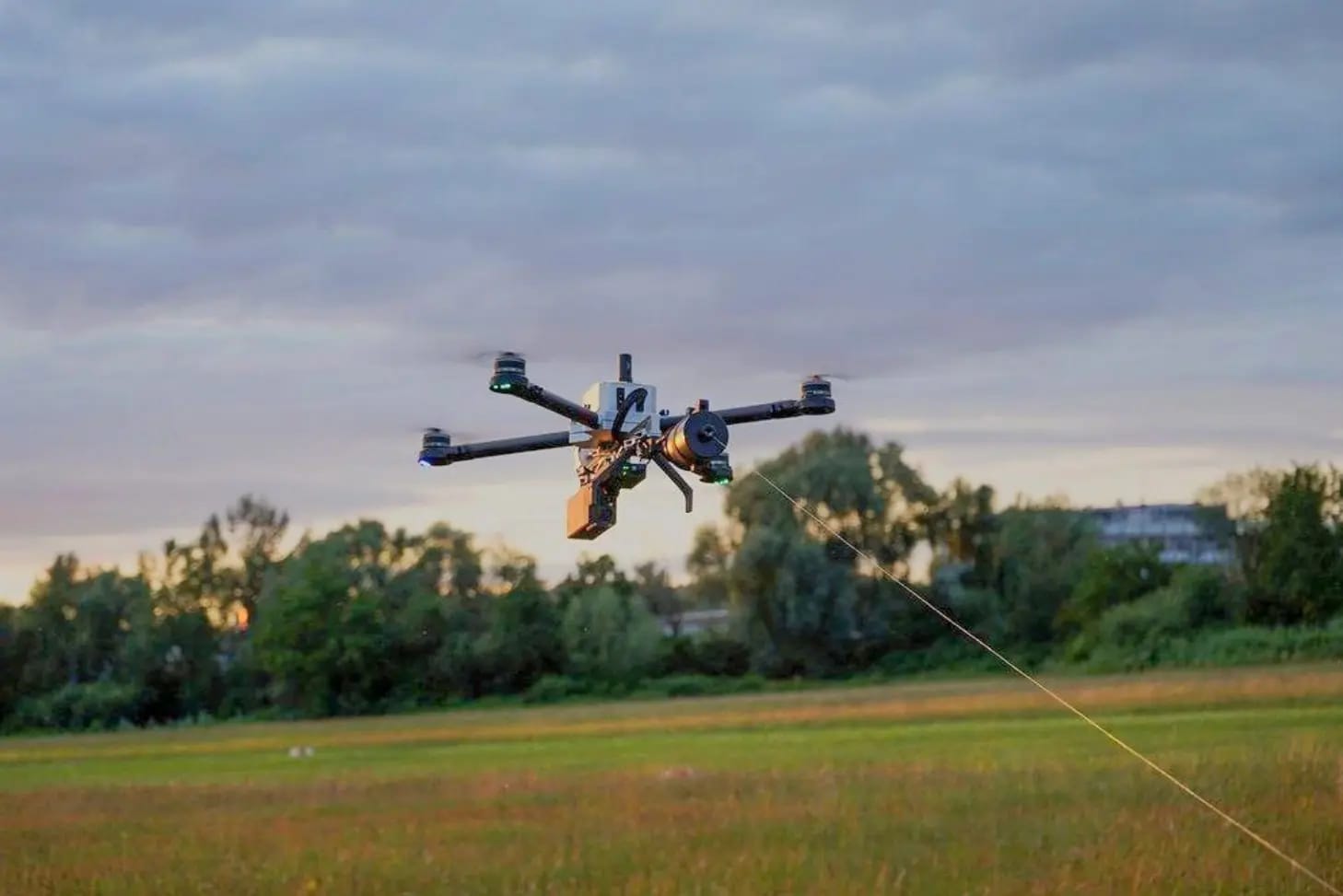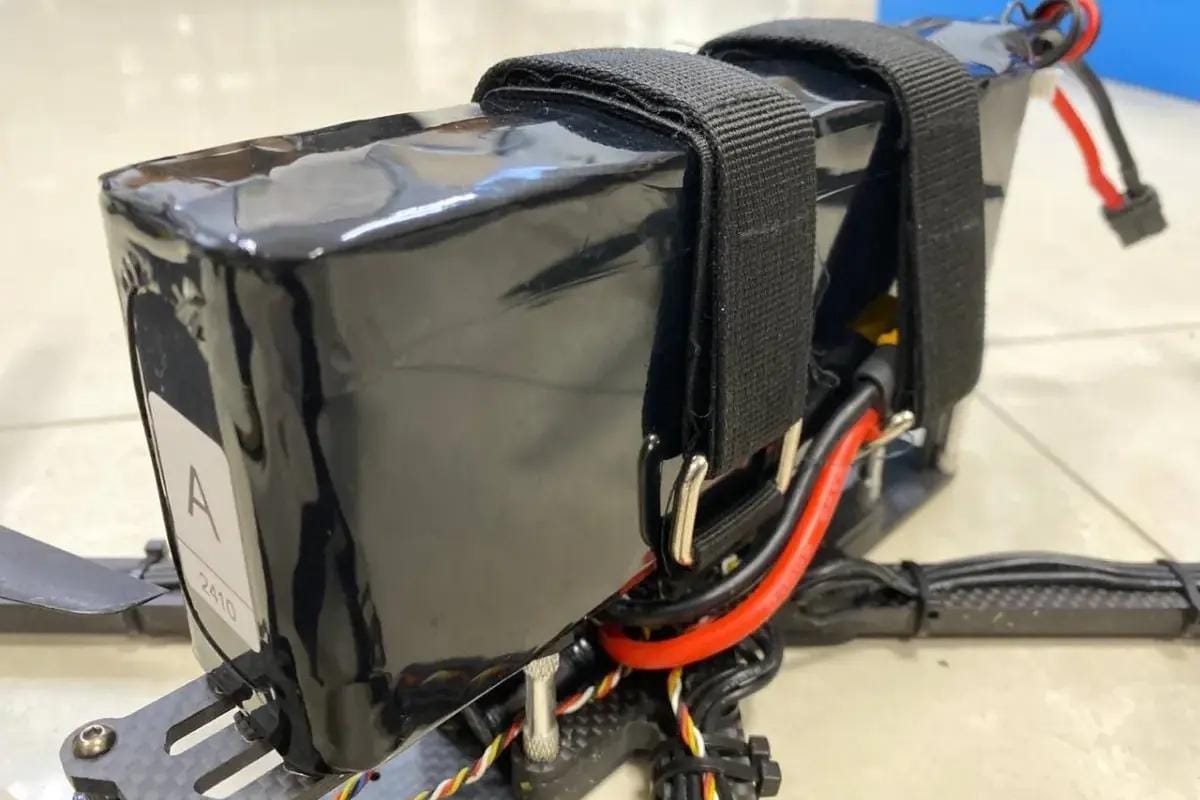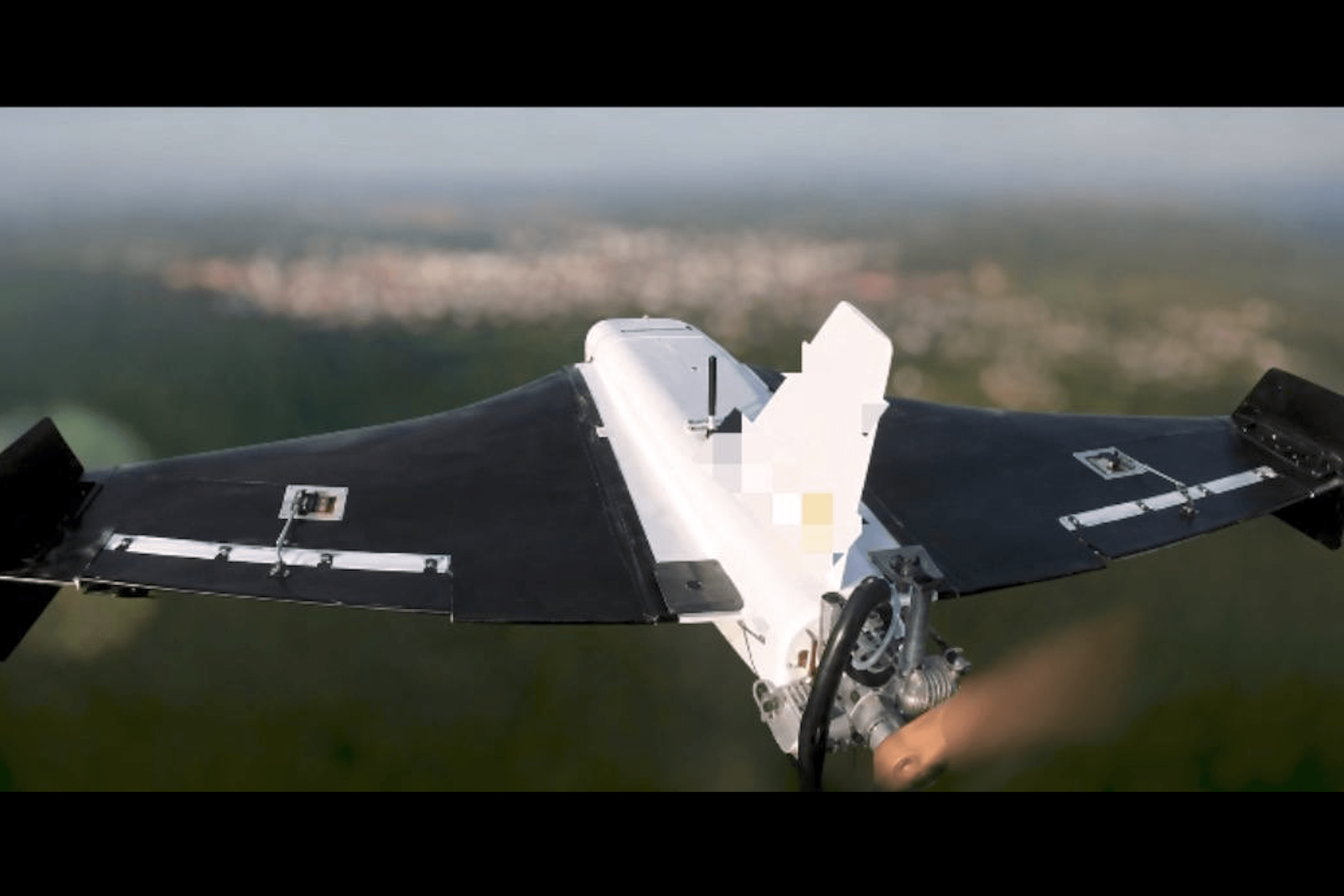
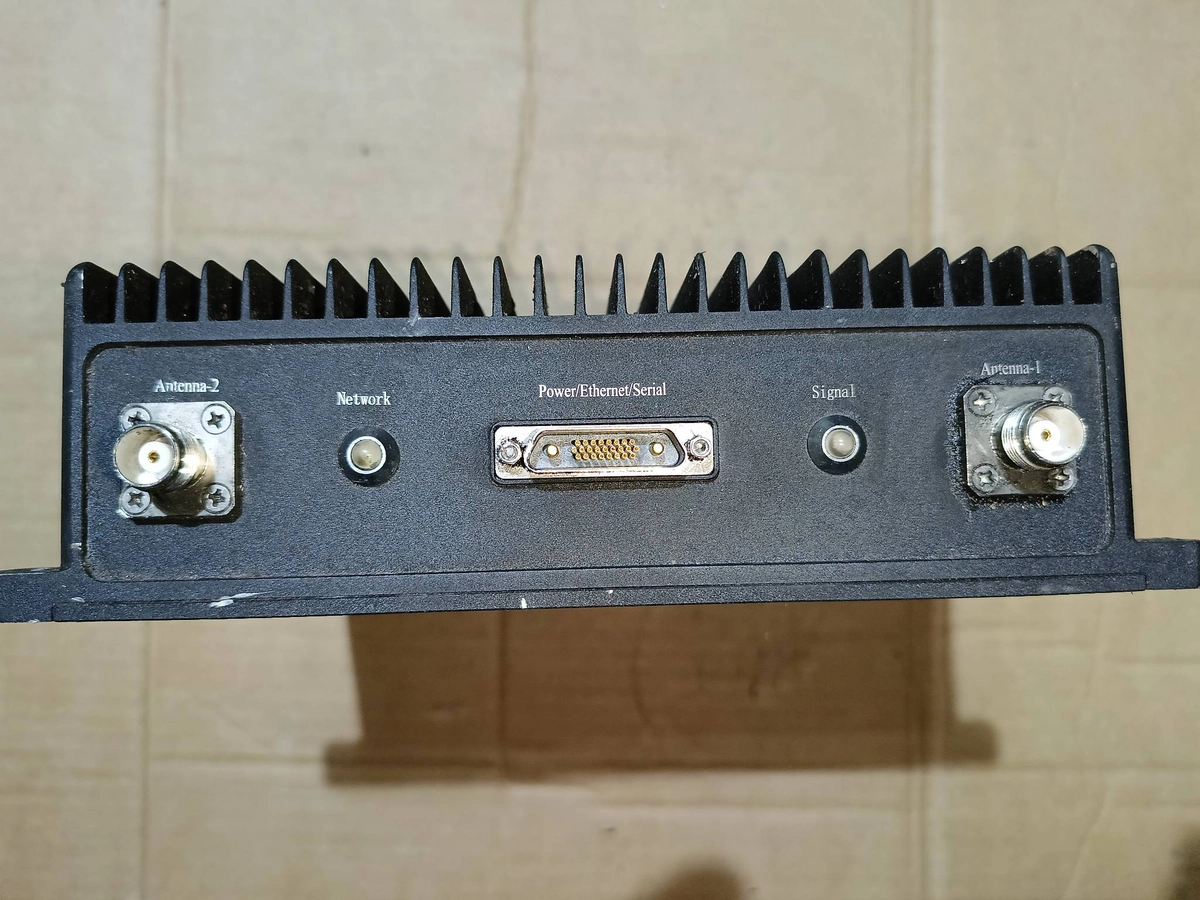
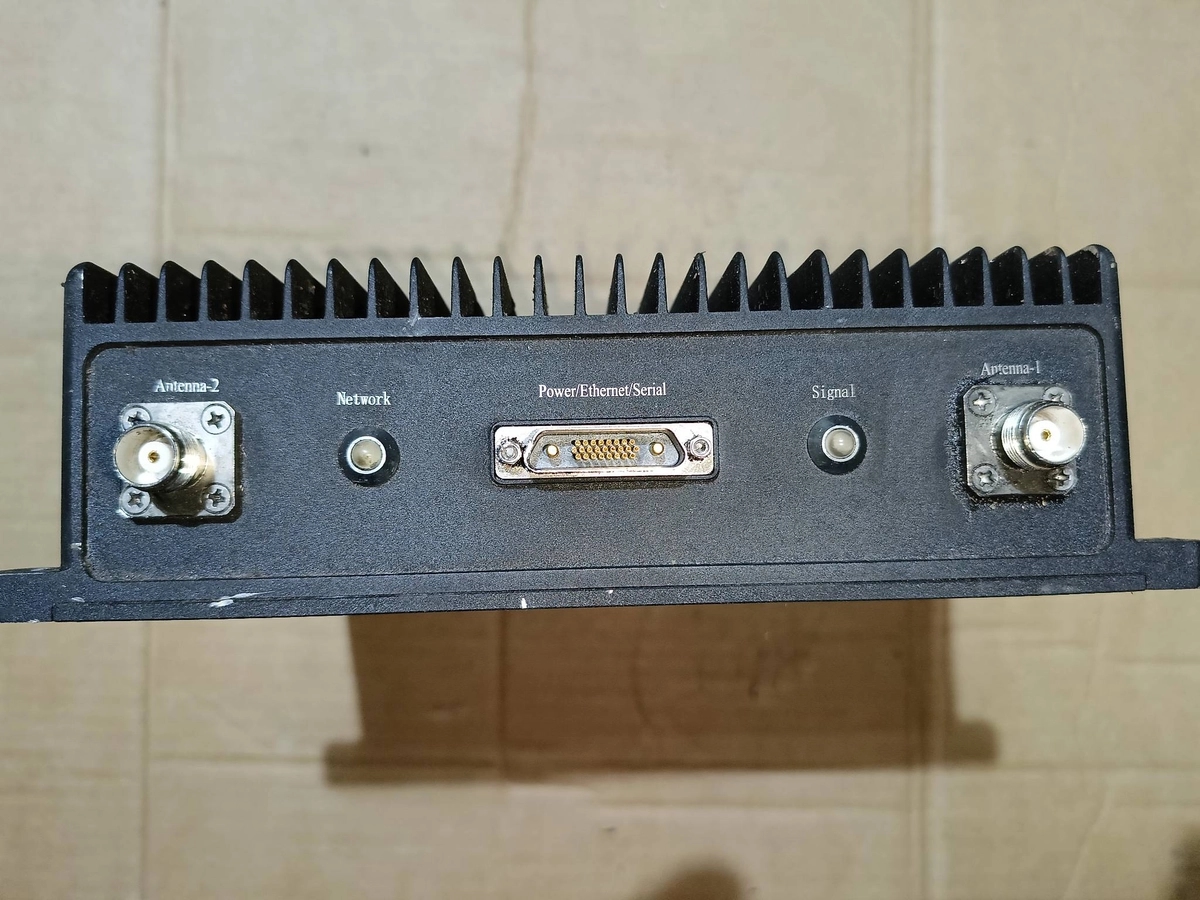
The Insider's correspondent in Ukraine examined a mesh modem — one made by China’s Xingkai Tech — that was found in a Russian Gerbera drone. Then, posing as a Russian military supplier, they obtained evidence that the Chinese company is knowingly willing to sell its modems to the Russian drone factory in Alabuga. Several banks, including DBS Bank, China Merchants Bank, and Ping An Bank, are actively facilitating these sales. Mesh networks are the most practical technology for controlling Russia’s long-range drones over Ukraine. They allow operators to control drones manually and send commands in flight, exploiting gaps in Ukrainian air defenses. According to The Insider’s estimates, Xingkai Tech accounts for about half the market for high-power mesh modems used in Gerbera and Geran drones, making its supplies critical to Russian military manufacturers.
In February 2026, the Russian military lost access to the Starlink terminals it had previously used to facilitate attacks on Ukraine. As a workaround, it has since turned to the use of Geran and Gerbera drones equipped with Chinese-made mesh modems.
A typical attack involving Geran and Gerbera drones works as follows: some drones flying near the border connect to Russian or Belarusian signal repeaters and relay signals to drones operating deeper inside Ukraine. Each relay node is equipped with a powerful mesh modem.
Gerbera drones are becoming increasingly important. They are significantly cheaper than Gerans and have a similar radar signature, allowing them to serve as decoys for Ukrainian air defenses.
In 2024 Ukraine’s military intelligence agency (HUR) reported finding Xingkai Tech modems in Gerbera drones. Later, the use of these modems and the role of Gerberas in combat operations in 2026 were discussed on a major pro-Russian website. However, there was no evidence that Xingkai Tech was knowingly and openly supplying modems directly to the Russian Alabuga plant where the drones are assembled.
In an earlier investigation, The Insider found that Chinese company Shenzhen Xingkai Technology, also known as Xingkai Tech, had issued an invoice for 30 mesh modems destined for Vladivostok as part of a supply chain supporting Russian drones.
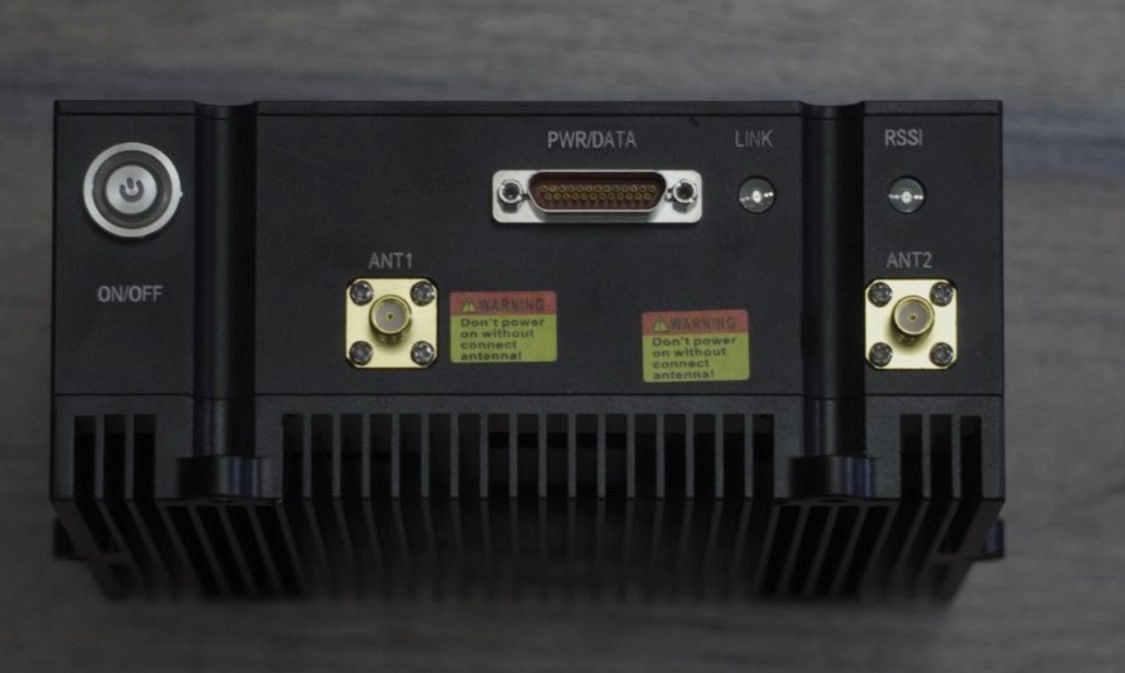
In 2026, The Insider examined a mesh modem obtained privately in Ukraine that had been found in an upgraded Gerbera drone fitted with a vertical stabilizer. This variant first appeared this past summer.
An investigator from the Nordsint project then posed as a Russian military supplier based in Alabuga, where Geran and Gerbera drones are manufactured. Xingkai Tech confirmed that the model was available and that Xingkai Technology was its sole manufacturer. The journalist also obtained an invoice for 500 mesh modems that were identical to the one examined in Ukraine — a shipment worth approximately $2.87 million.
How the modems are sold
Posing as a Russian military supplier, The Insider and Nordsint contacted Xingkai Technology through its official WeChat account to request a quote for modems “similar” to the one shown in a photograph from Ukraine. The undercover investigators made clear that the end user needed exactly the same version, with an identical casing.
A company employee who introduced himself as “Jack Jiang” (his actual name is Jiang Qin (蒋钦), and he is the director and owner of the company) confirmed that Xingkai Technology manufactured the modems; he even provided the investigators with the XK F-359 user manual. Some sources, including the Ukrainian military intelligence agency’s War and Sanctions portal, had previously misidentified the device as a separate but similar model, the XK F-358.
To make sure the end user would receive an identical device, the investigators asked Jiang to take photographs and video of the modem at the production facility. He complied.
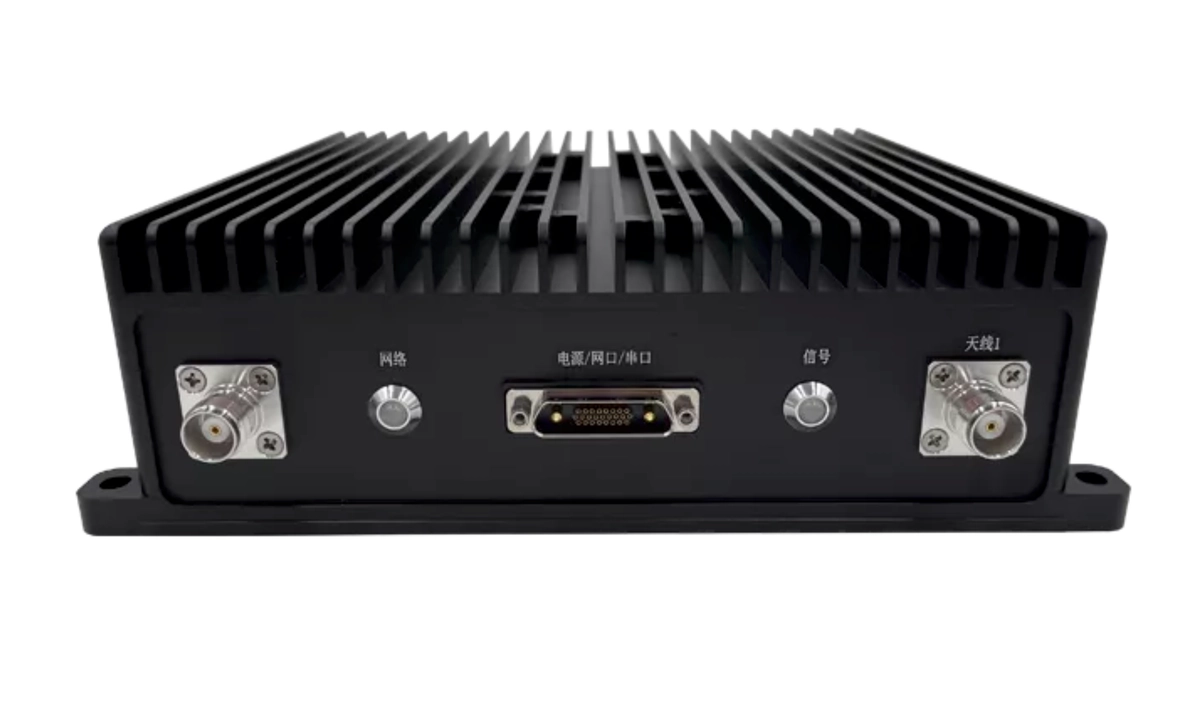
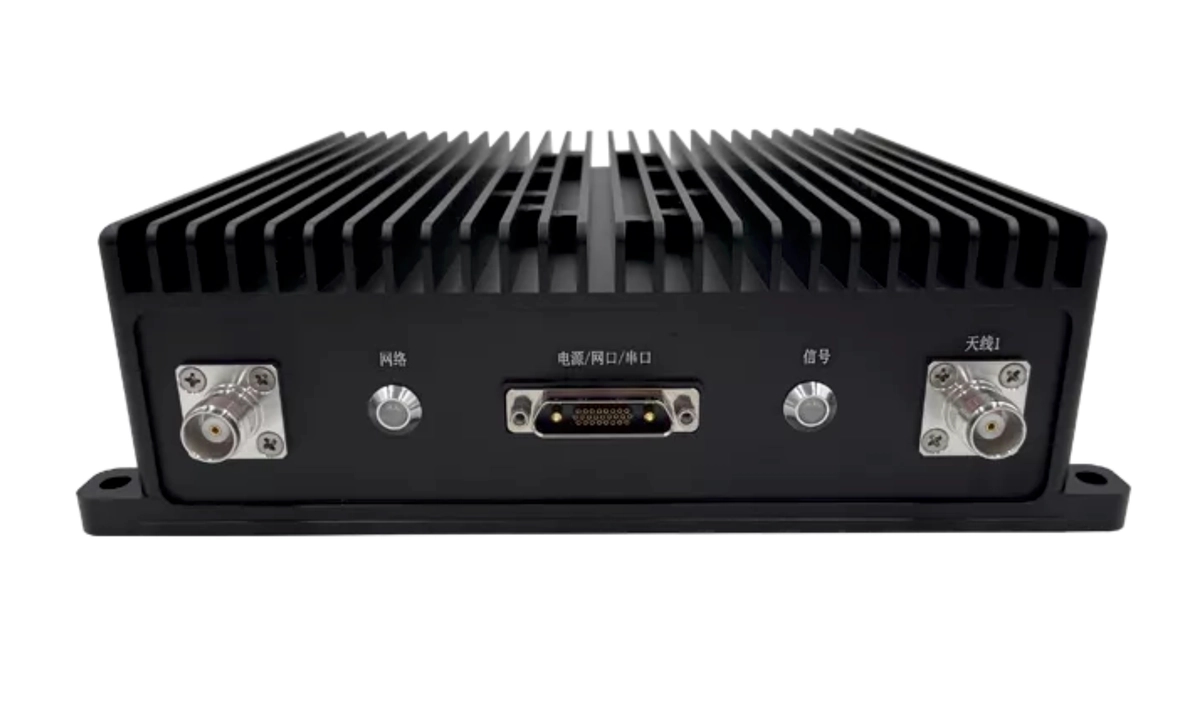
The modem examined by The Insider in Ukraine proved identical to the device described in the manual and shown in the warehouse video. It differed only slightly from the models featured in Xingkai Technology’s online catalog. Jiang explained that other versions of the F-359 had different casings but retained the same internal layout.
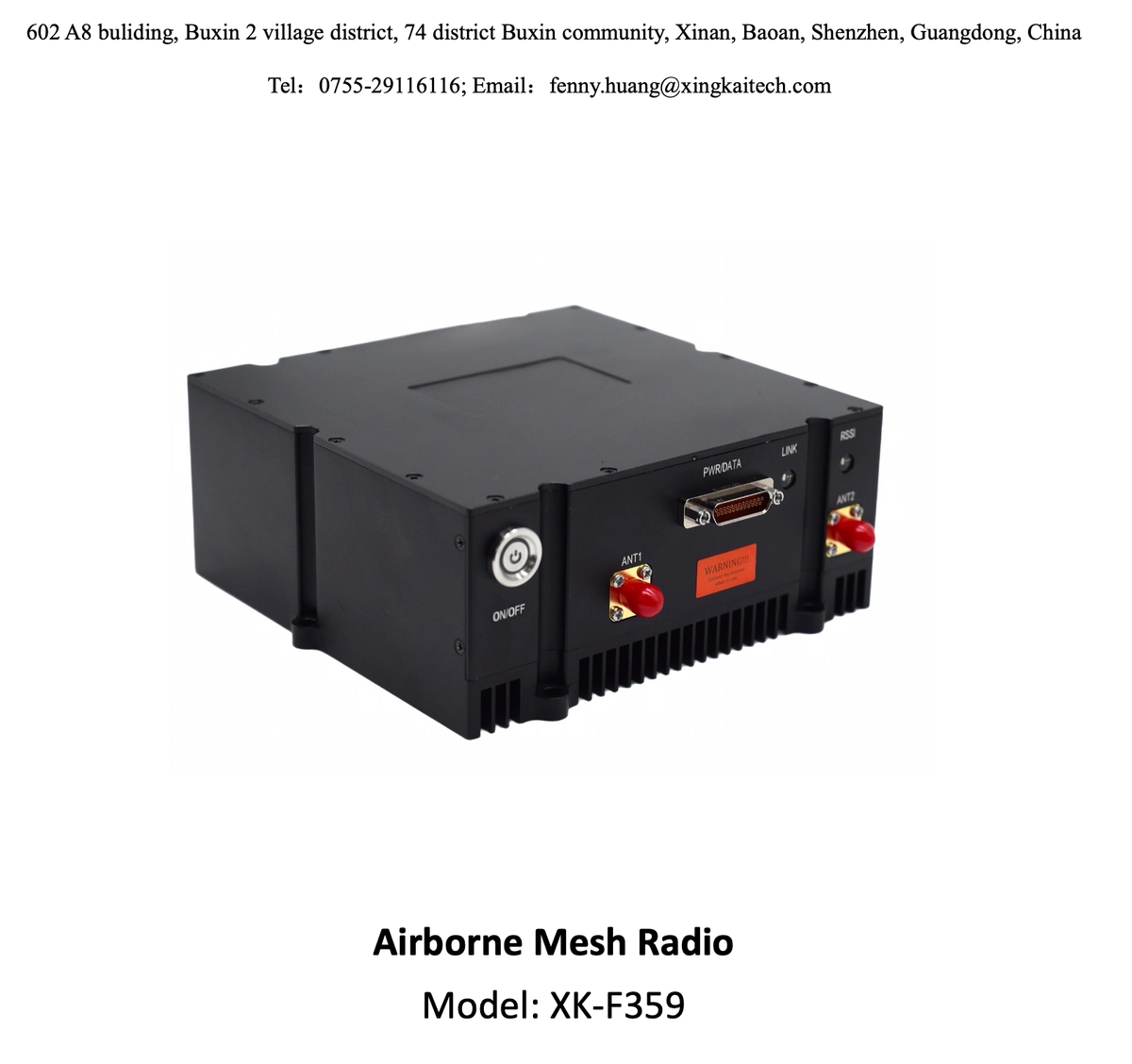
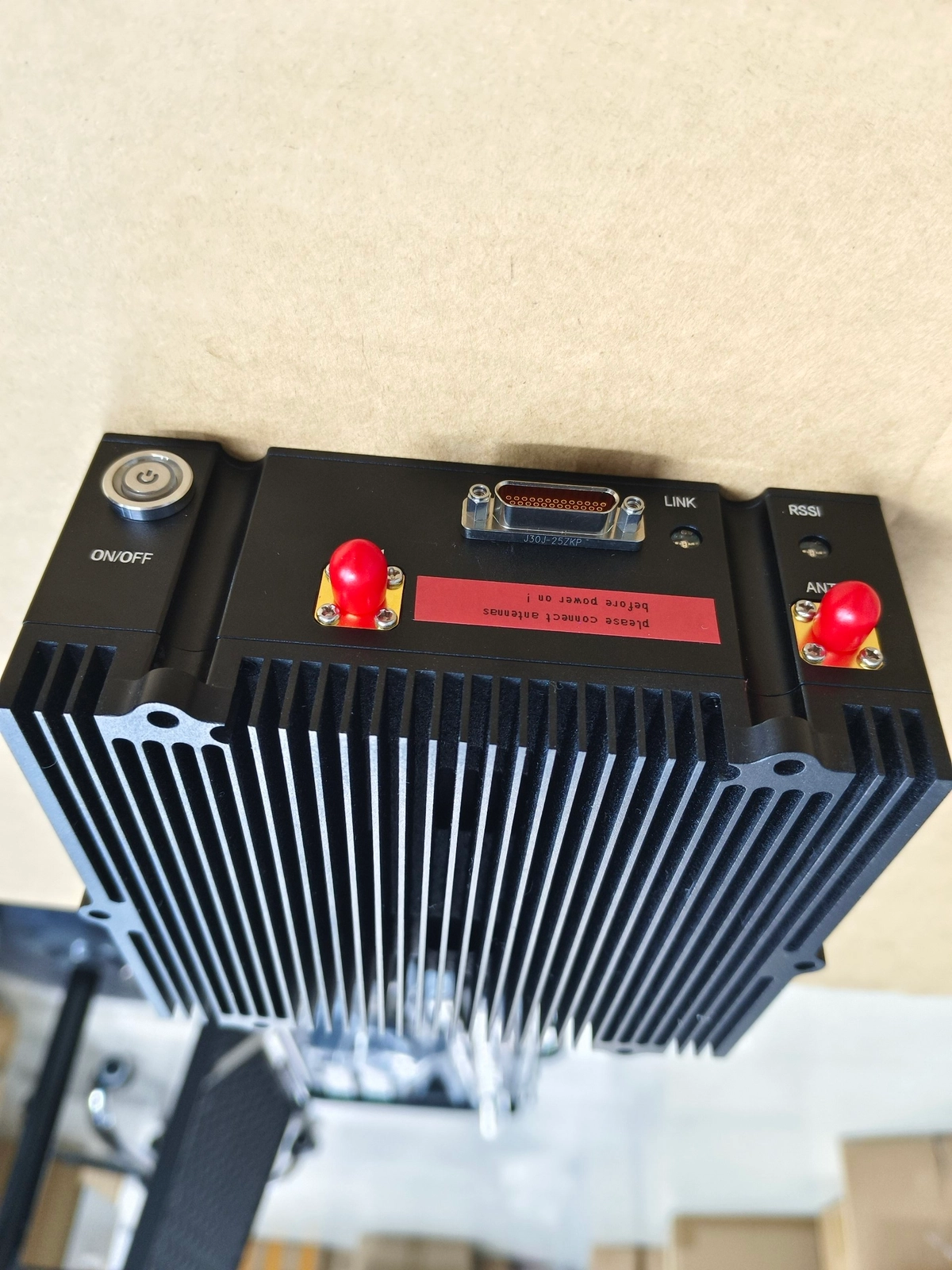
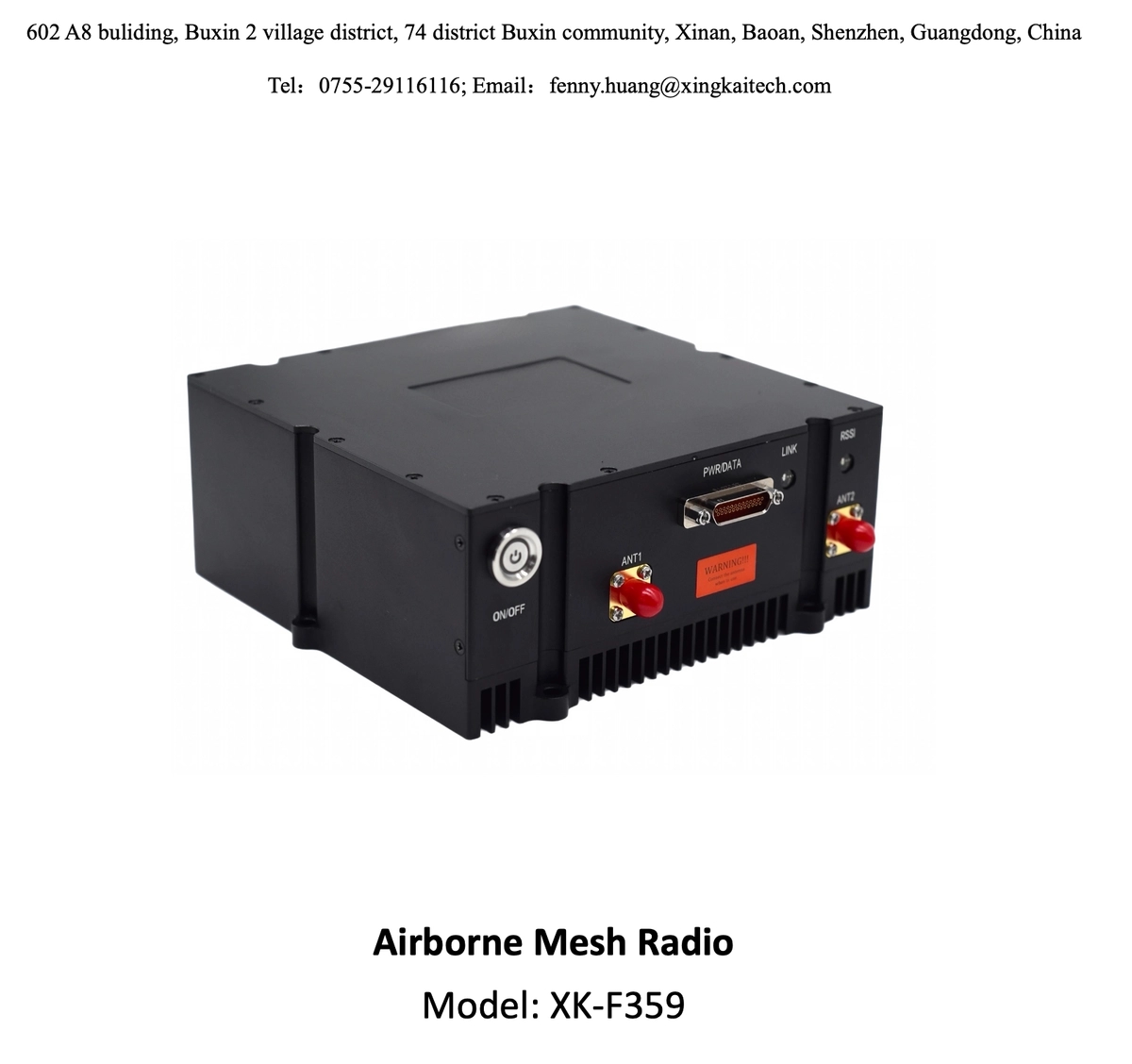
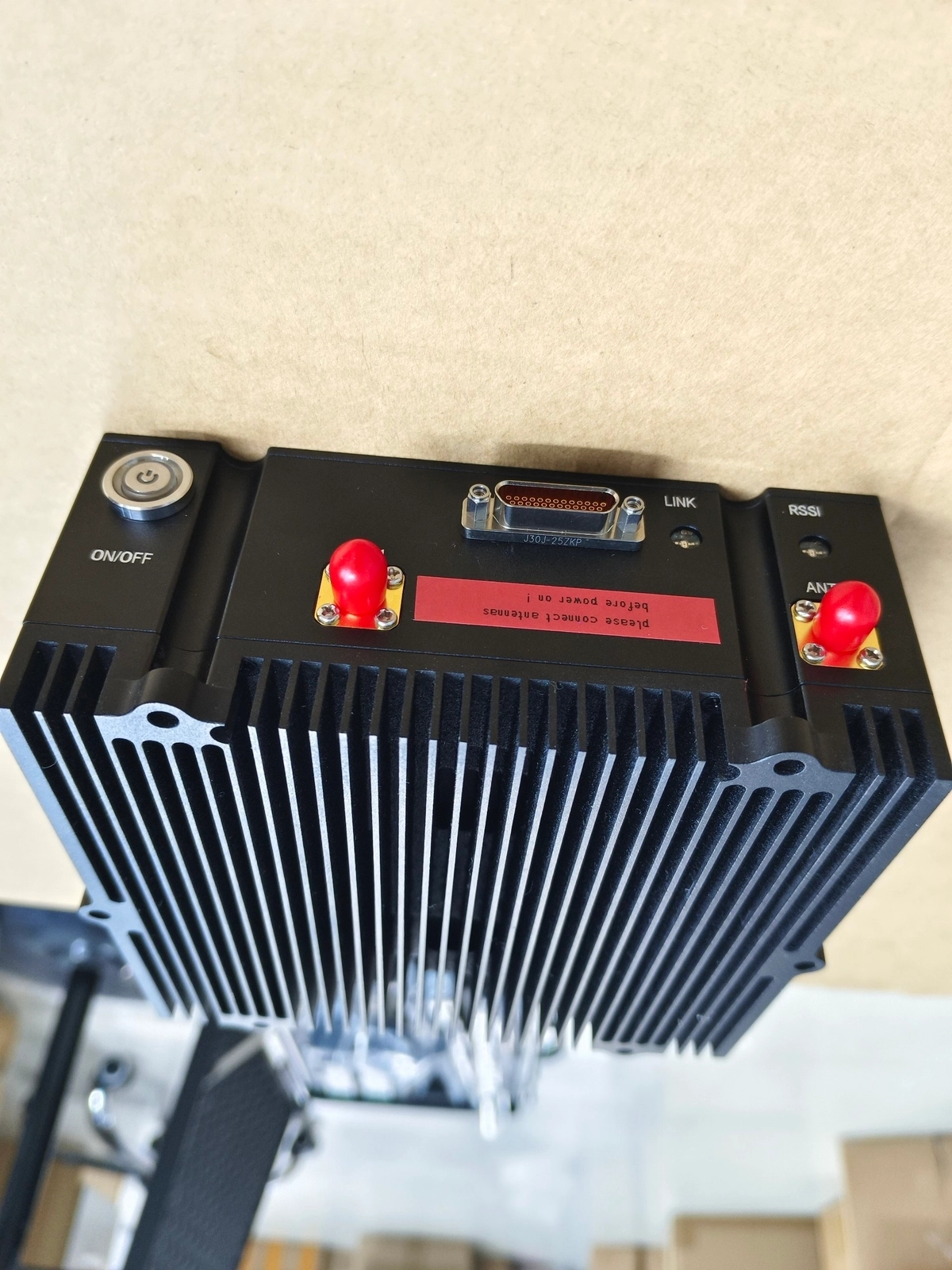
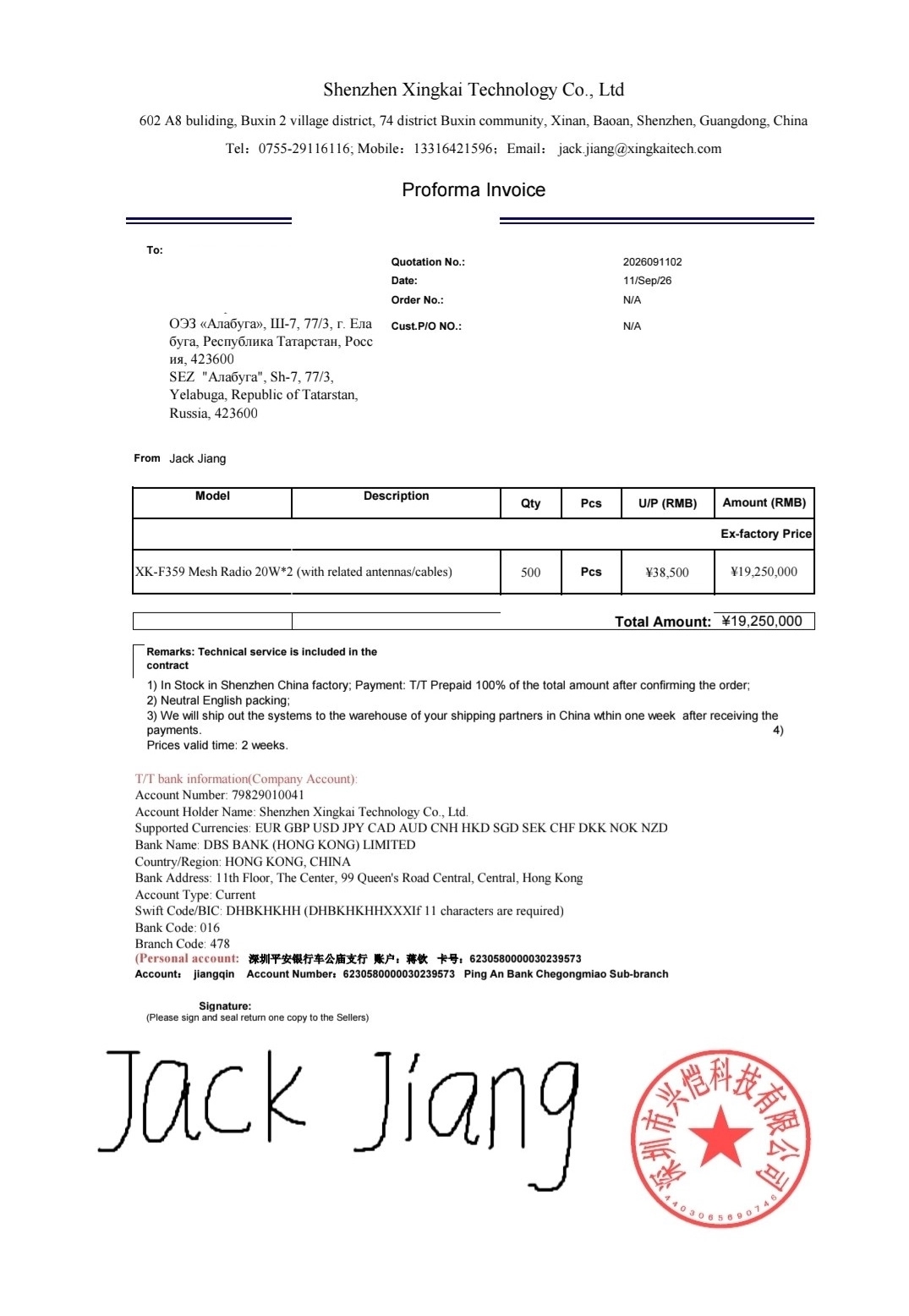
The Insider and Nordsint then ordered 500 modems for delivery to Alabuga, home to a factory that produces most of Russia’s long-range drones. Jiang responded with an invoice for 19.5 million yuan, offering the “client” two payment options: U.S. dollars to Xingkai Tech’s account at DBS Bank in Hong Kong, or yuan to Jiang’s personal account at Ping An Bank in China.
Jiang also confirmed that identical modems were available through Shenzhen Sinosun Technology (although Xingkai Tech itself manufactured the devices). In their correspondence, Nordsint explicitly stated that the end user was a military production facility. Xingkai Tech’s director raised no objections.
Nordsint explicitly stated that the end user was a military production facility. Xingkai Tech’s director raised no objections
In another message, Jiang asked whether his Russian customer had “won” the “project,” apparently referring to a tender.
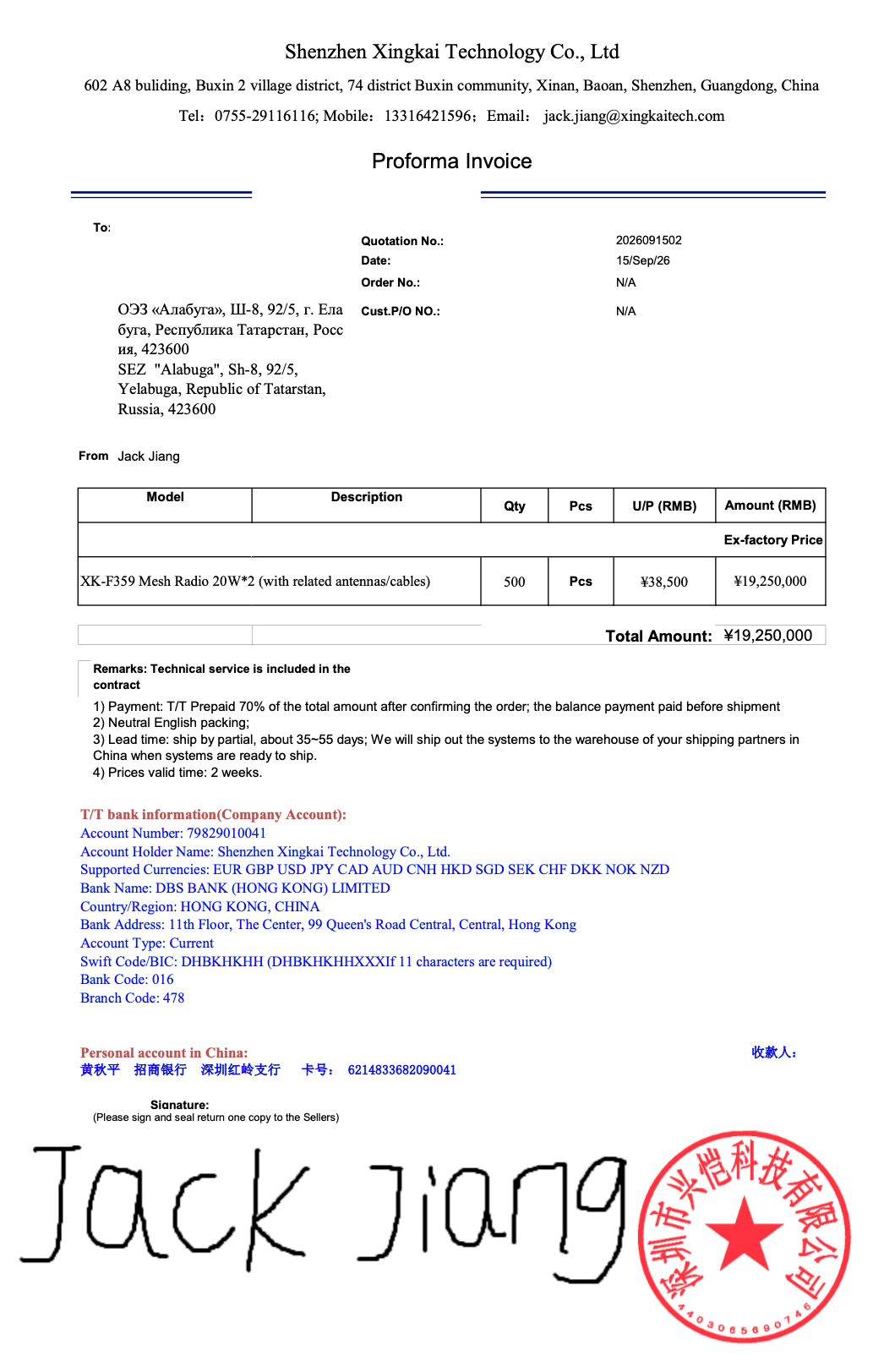
After being asked to “update the address,” Xingkai Tech issued a slightly revised invoice. This time, the company spelled “Alabuga” in Latin characters, making it harder to claim later that it had been unaware of the end user’s identity.
The Chinese bank account listed on the revised invoice was in the name of Huang Qiuping, who may also use the name Fanny Huang (she is listed under that name as a contact in the mesh modem’s user manual). According to Tesari records, Huang Qiuping left her management position at Xingkai Tech in 2025.
The revised invoice directed payments to an account at the Hongling branch of the China Merchants Bank in Shenzhen.
The key component of a mesh modem is a field-programmable gate array (FPGA). It enables the modem to make decisions about network topology and optimize communications. This “intelligent” component configures the mesh network linking a swarm of drones.
The Xingkai Tech director who corresponded with an undercover Nordsint investigator said the company uses the XC7Z020-2CLG4001 FPGA made by U.S.-based company AMD. When asked to provide an AMD licensing agreement (ostensibly to meet Russian bureaucratic requirements), Jiang refused, saying Xingkai Tech obtains its FPGAs through an intermediary.
The Insider contacted AMD, which provided the following statement:
“Xingkai Technology is not an AMD customer or authorized partner, and AMD has not sold products to the company. AMD complies with all applicable U.S. export control and sanctions laws and strictly prohibits the export or reexport of AMD products to Russia in violation of those requirements.”
What this little box can do
The XK F-359 modem can maintain line-of-sight communications over distances of 100–300 km. This means that an attack on Kyiv theoretically may require just a couple of Gerbera or Shahed drones acting as relay stations to provide a stable radio link for the entire attacking drone group, allowing the drones to receive updated commands in flight and maneuver to evade air defenses. The technology is also crucial for providing live video feeds from operator-controlled drones equipped with cameras and guidance systems, such as those recently reported by Serhii “Flash” Beskrestnov.
Mesh modems can autonomously establish and manage network topology in real time.
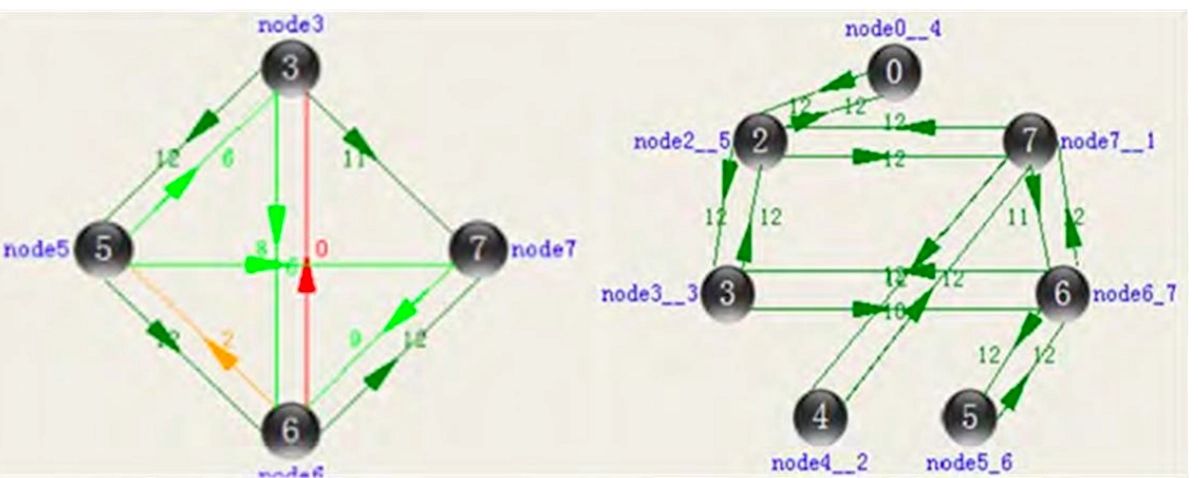
The XK F-359 manual states:
“The network operates on a single frequency and uses multi-hop relaying. Each node can move rapidly and freely, while the network topology can change and update rapidly without disrupting data transmission. The network is easy to deploy, flexible to use, and simple to operate and maintain. It provides reliable, timely, efficient and secure integrated IP services, including voice, broadband data, high-definition video, visual command and dispatch, and other multimedia services in challenging conditions, such as rapid movement and the absence of a direct line of sight.”
In other words, the mesh network reconfigures itself automatically, freeing drone operators from having to manage it manually and allowing them to focus on military tasks.
Notably, the manual’s opening line lists military and police operations among the intended applications of mesh technology:
“Broadband self-organizing networks can be widely used in the military, public security agencies, armed police, fire services, civil defense, electric power, the oil industry, mining, transportation, water management, forestry, radio and television, medicine, maritime and aviation communications, and other fields.”
Given these capabilities, the Xingkai Tech XK F-359 is almost ideally suited to Gerbera and Geran drones.
The specific XK F-359 variant documented by The Insider in Ukraine does not appear in Xingkai Technology’s public catalogs. The manual for this version became available only after The Insider established direct contact with the company.
Some online sources, meanwhile, identified Shenzhen Sinosun Technology as the modem’s manufacturer. The company’s website features a photograph of an identical modem, sometimes found among drone wreckage bearing the HX-50 label. When asked about this, Jack Jiang of Xingkai Technology confirmed that his company was the modem’s sole manufacturer.
Who bought them in Russia
The Insider examined Russian customs data and found that Xingkai Technology had shipped its products to Russia, declaring them simply as “antennas” and “remote control equipment.”
One Russian recipient was Atlant-Engineering, a trading company that does not manufacture drones. The company is owned by the family of Rafik Zagrutdinov, a mid-level official in the Moscow city government. Another recipient was LT Global Forwarding.
Both companies filed declarations of conformity, apparently for Xingkai Technology equipment; however, for reasons unknown, Quanzhou Yunzhuo Technology was listed as the manufacturer.
What’s new with the Gerberas
Gerbera drones were initially inexpensive decoys, as their radar signature resembled that of older Geran models without turbojet engines.
Later, Gerberas were fitted with warheads and began carrying out reconnaissance missions. During the summer of 2026, upgraded versions began to appear, distinguished primarily by a vertical stabilizer. Some variants were also equipped with cameras.
Gerberas have been shot down in European countries. Recently, one such drone flew into Lithuanian airspace.
The Insider analyzed a sample of 30 listings for parts from downed Russian drones on Ukraine’s largest online auction site for war trophies. At least nine lots featured easily recognizable Xingkai Tech mesh modems. One listing offered 10 modems at once. Identical Xingkai Tech mesh modems have also been found in Banderol loitering munitions (drone missiles).
Equipping a drone — even one that once served as a decoy — with a modern mesh modem turns it into a weapon capable of threatening Europe. Recently, the Spanish publication El Mundo reported that the CIA had warned European countries that Gerberas could be launched against Europe from vessels belonging to Russia’s “shadow fleet.”
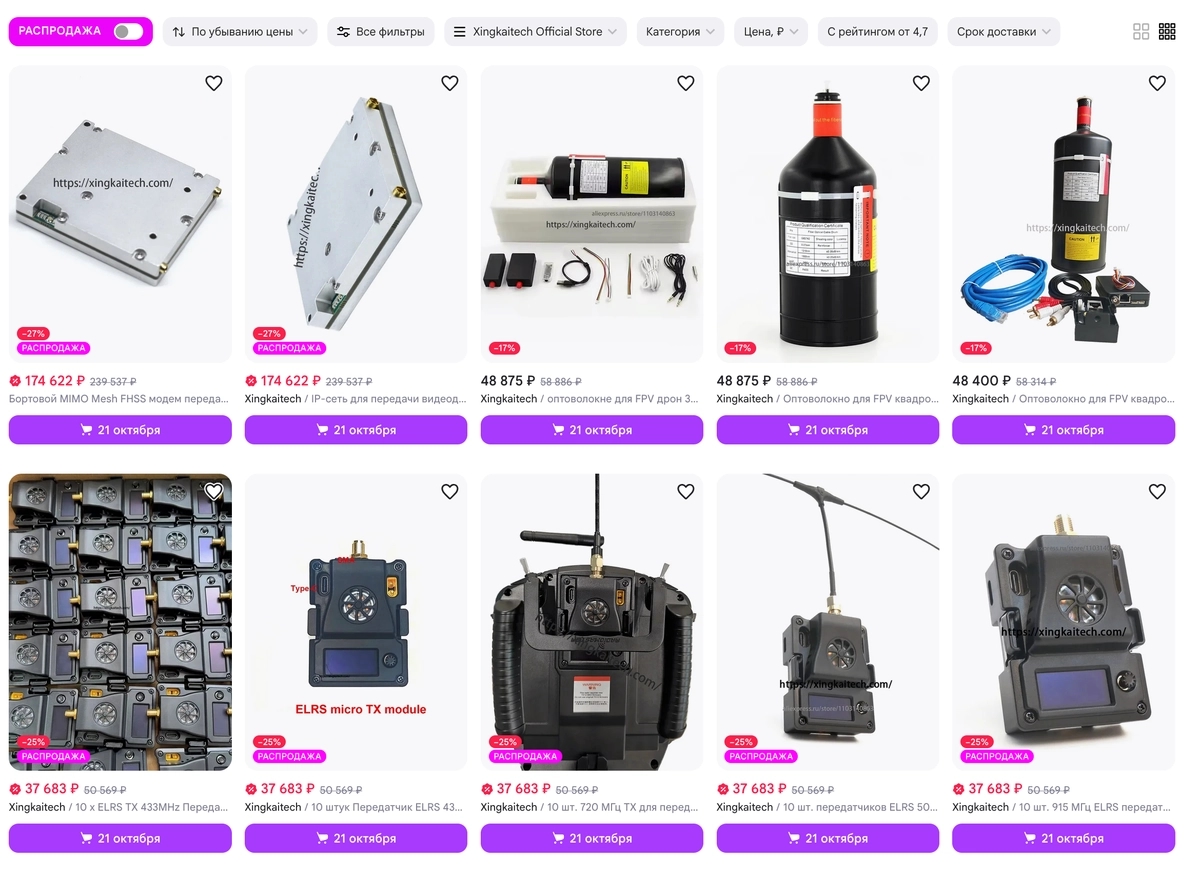
Many of Xingkai Tech’s drone components are available on the popular Russian online marketplace Wildberries.
The Insider contacted the press offices of DBS, Ping An, and China Merchants Bank, and also reached out to DBS by phone. None of the three banks responded.
Another mesh modem
The Insider identified another mesh modem widely used in Shahed drones that had not previously been publicly identified. Comparing listings on Reibert with the manufacturer’s website, it established that the modem is made by China’s Xi'an Sihou Network Technology Co., Ltd.
Xi'an Sihou Network Technology is another major player in the market for captured equipment sold at auction. It accounts for roughly half of the listings for captured mesh modems examined by The Insider. The company’s owner and director is Li Li.
Geran drones, along with Banderol loitering munitions, have become Russia’s main weapons in its campaign of terror against Ukraine’s energy infrastructure, as well as in attacks on railway locomotives. The survival of Ukraine’s civilian population through the coming winter will depend largely on whether the West can use sanctions and diplomacy to quickly halt large-scale sales of mesh modems to Russia.