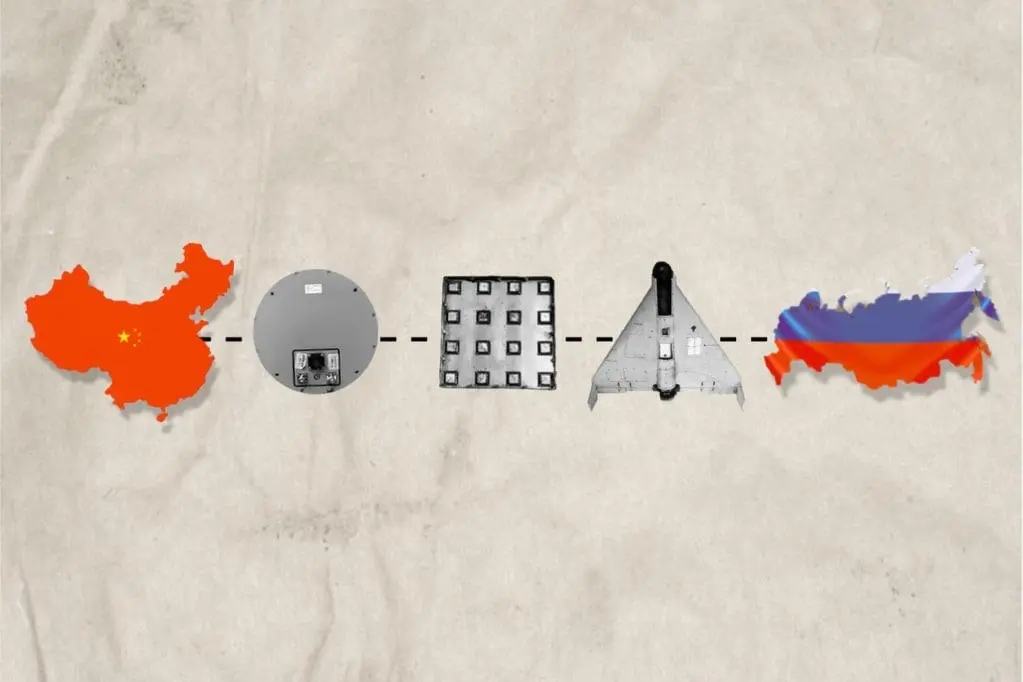
It is no secret that Russia’s Geran drones, which have long become a nightmare for civilians in Ukrainian cities, were developed from the Iranian-designed Shahed. What is less well known is that China also plays a role in producing weapons used for wartime terror: Chinese suppliers are sending Russia critical antennas for Geran drones under the guise of agricultural equipment to circumvent an export ban imposed by Beijing, a new investigation by The Insider and Nordsint has found. Posing as Russian military contractors, The Insider and Nordsint contacted representatives of Harxon, a Chinese supplier. One of its employees not only openly acknowledged the company’s cooperation with Russia’s Alabuga plant, which produces Geran/Shahed drones, but also accepted an order for a large batch of anti-jamming antennas, routing it through a front company called NavX. These antennas produced by Harxon constitute the majority of satellite antennas found by Ukraine in the wreckage of Geran drones.
Why precision navigation requires CRPAs
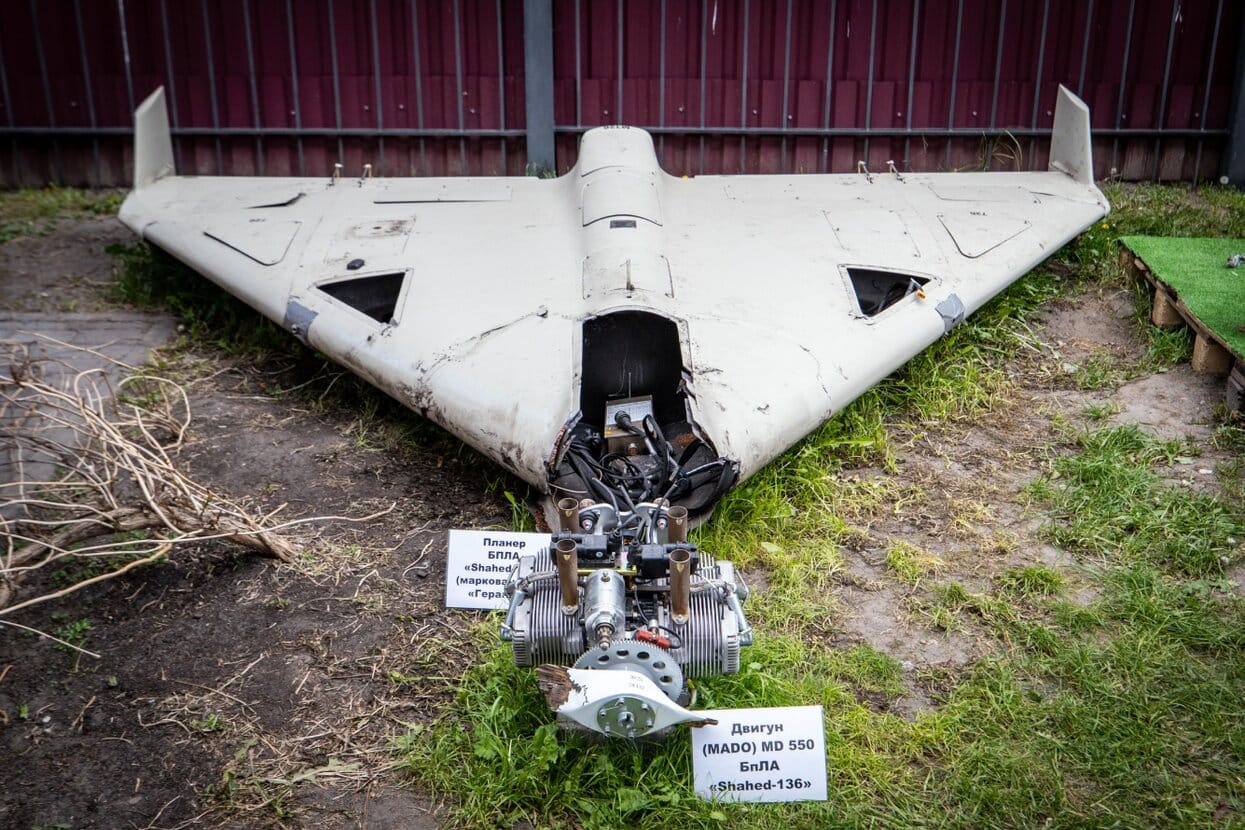
The drones in question are those of the Geran (“Geranium”) series — localized Russian versions of the Iranian Shahed. These represent the most widely employed deep-strike loitering munitions used by the Russian military to target Ukrainian infrastructure.
Geran drones are primarily divided into autonomous and manually controlled variants, but the majority fall into the autonomous category, functioning as slow-moving cruise missiles and navigate toward pre-programmed coordinates without human control. However, newer variants featuring direct manual control have emerged, utilizing mesh modems and cameras to maintain a link with ground operators. These variants have been adapted for specialized roles, with some even observed carrying air-to-air missiles or man-portable air-defense systems for engaging Ukrainian aircraft.
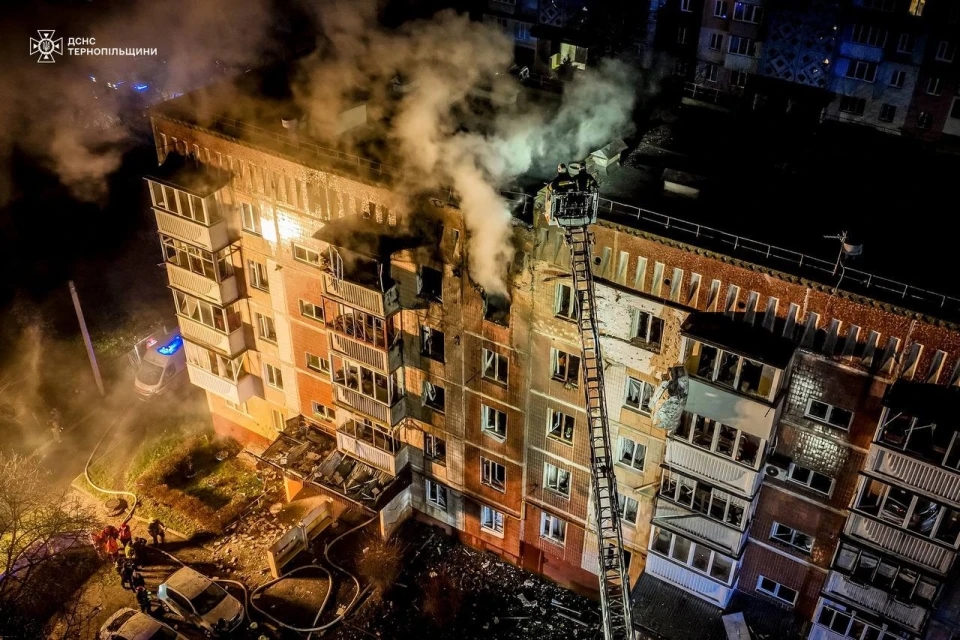
To counter the sustained Russian drone campaign, Ukraine has employed a range of measures, from kinetic air defenses to electronic warfare (EW), which targets the satellite navigation systems of Russian drones by jamming and spoofing legitimate satellite signals, causing the navigation of the drone to deviate.
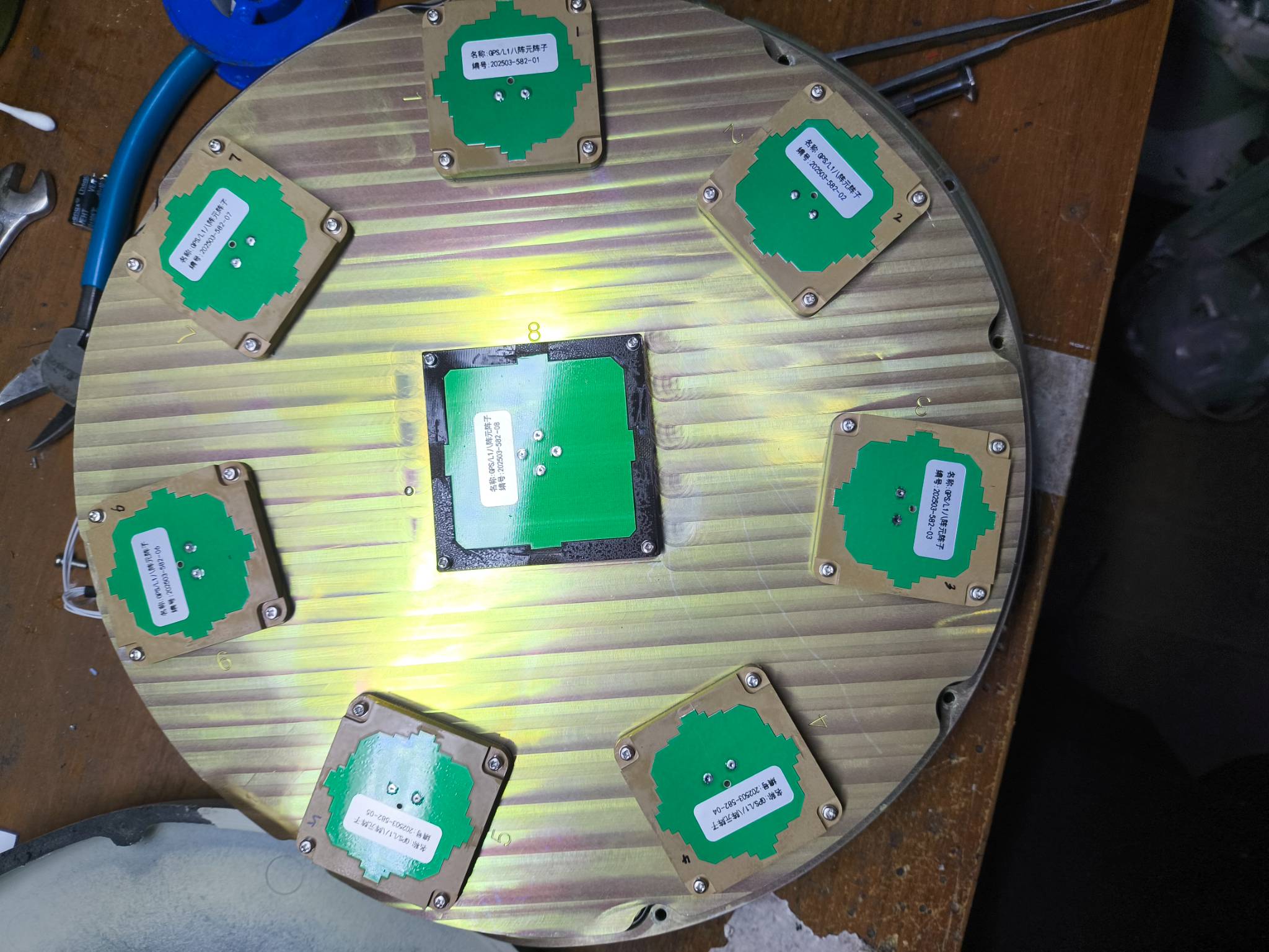
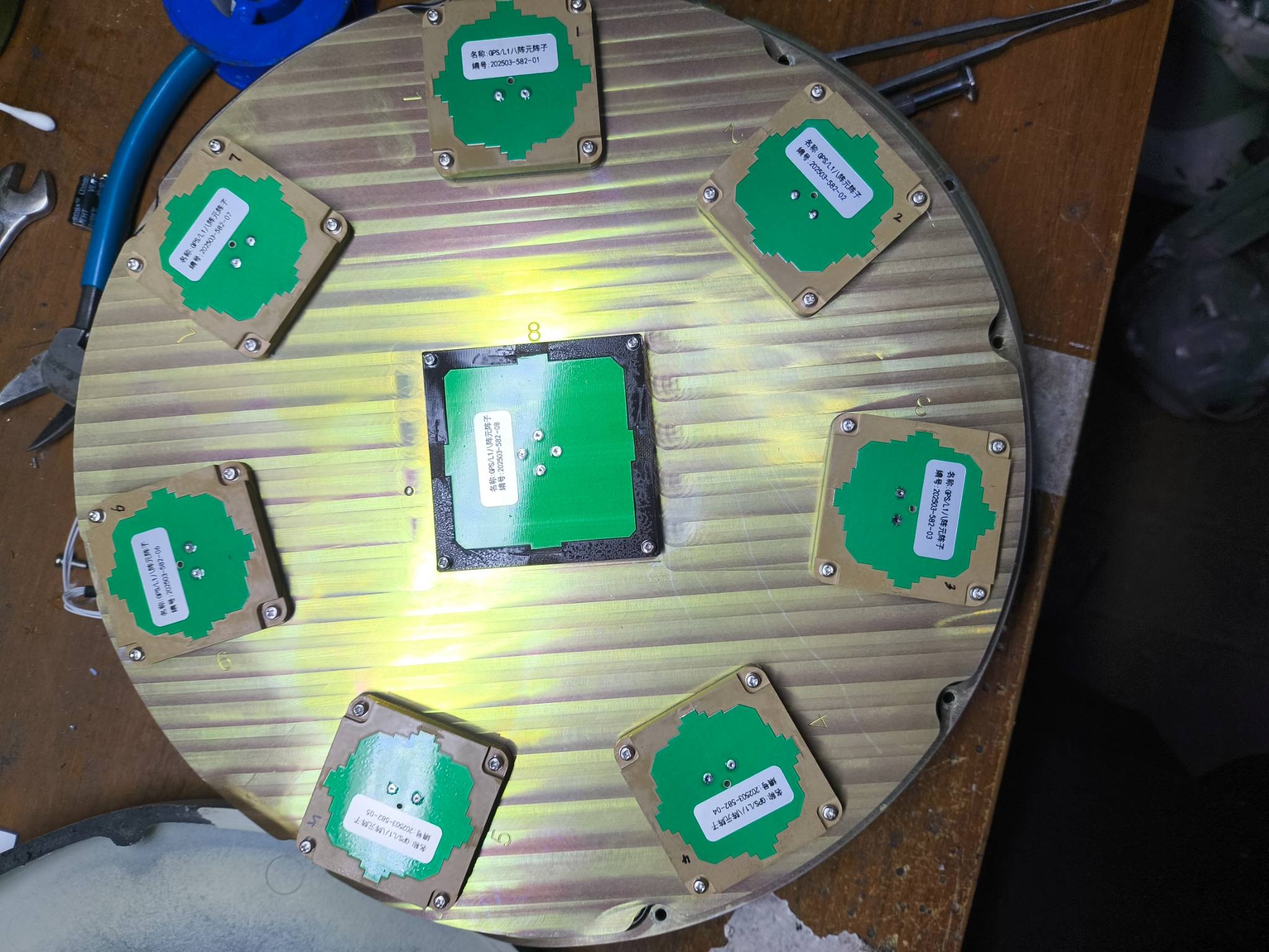
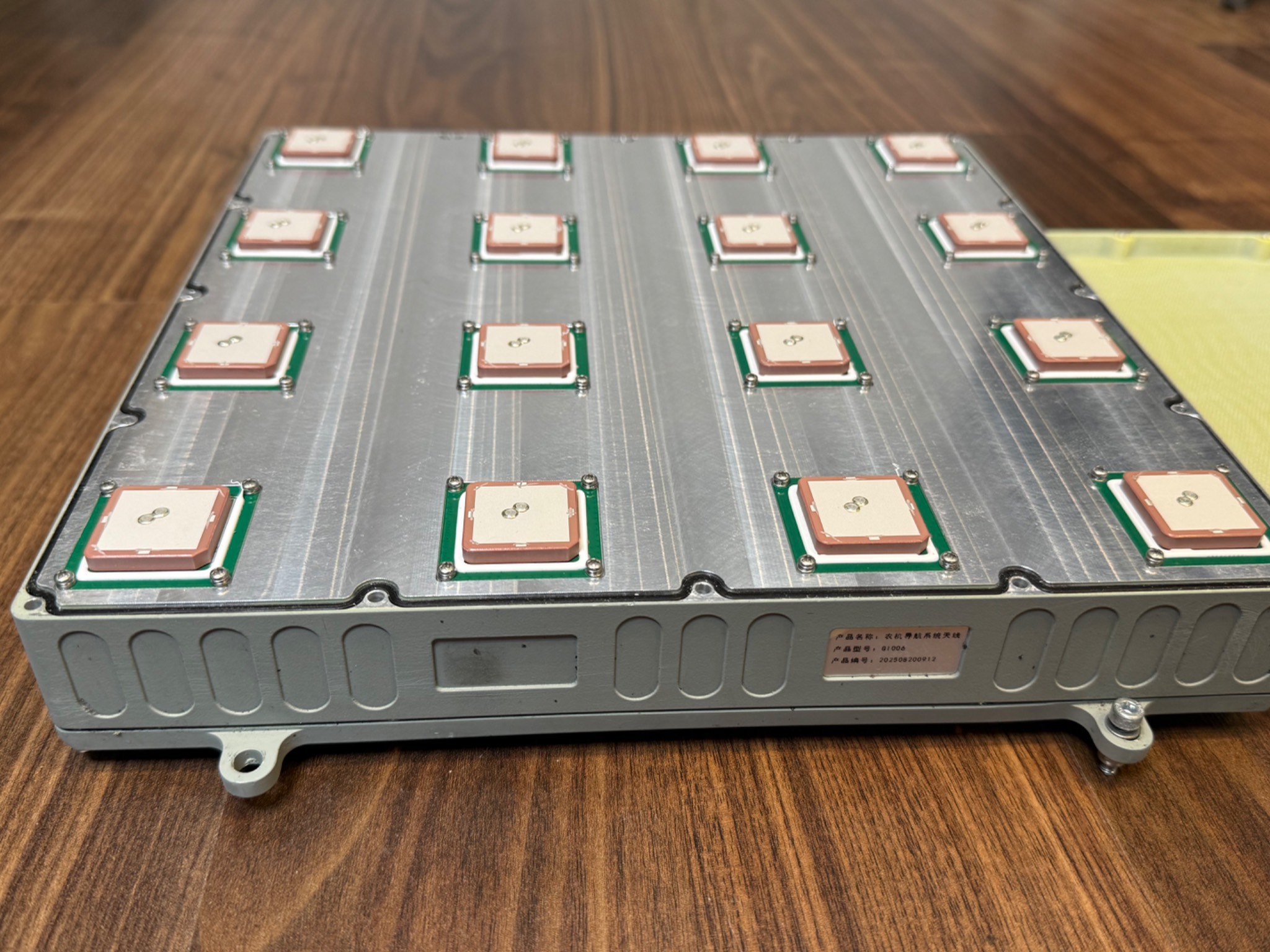
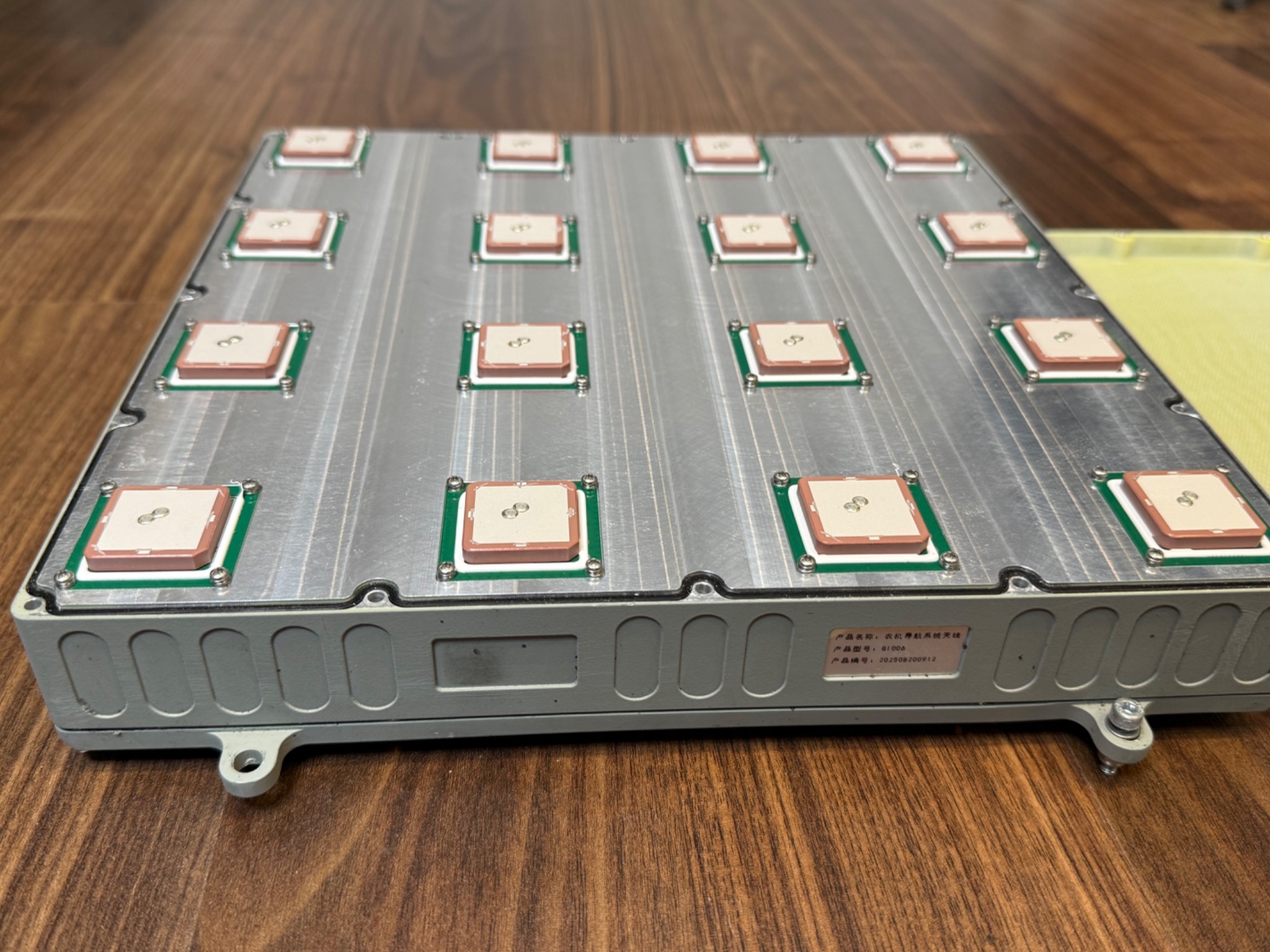
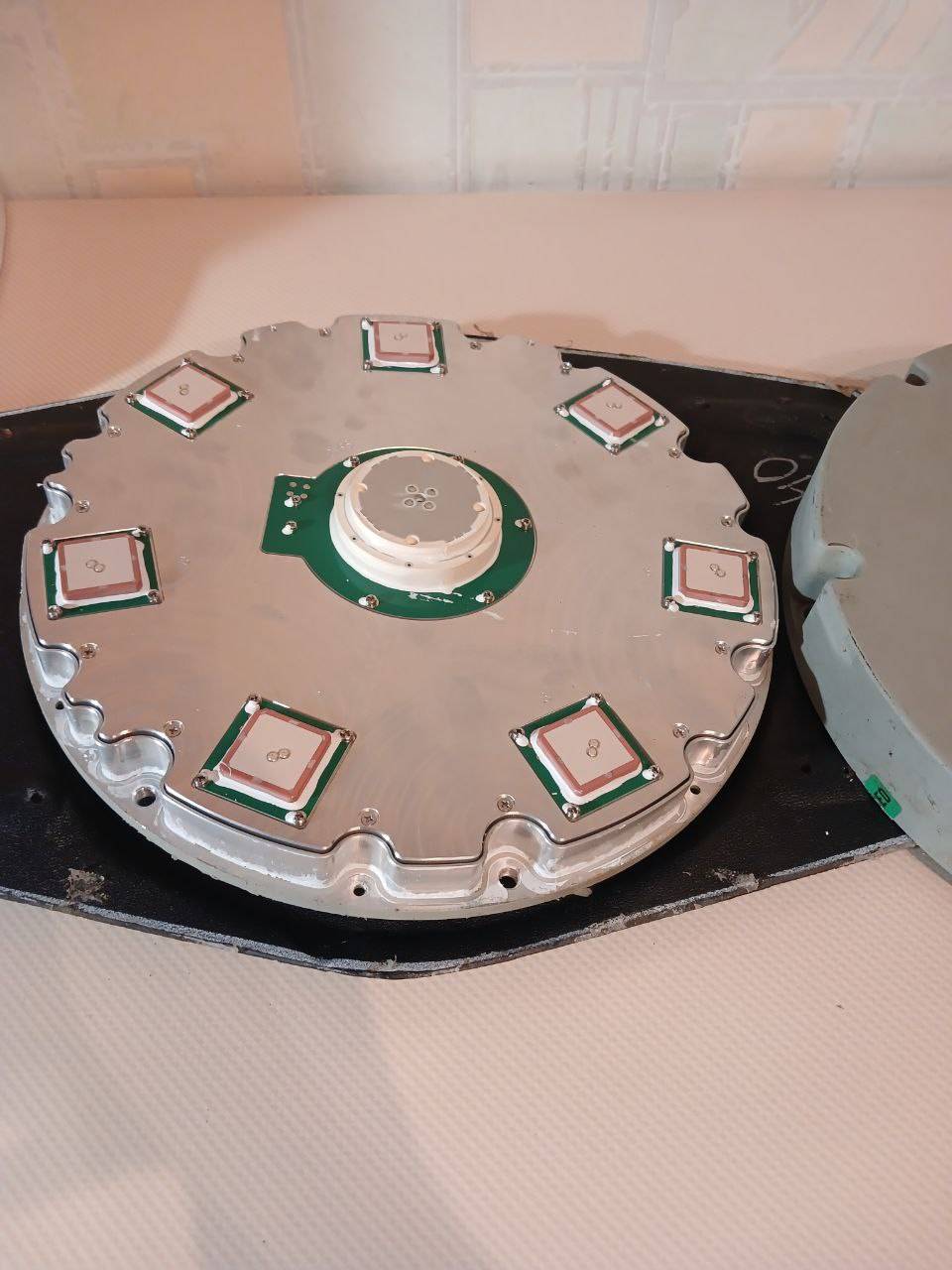
To survive these efforts, Russian drones rely on Controlled Reception Pattern Antennas (CRPAs) for navigation. Unlike standard antennas, CRPAs contain an array of elements, each of which functions as an individual antenna patch. In this manner, a CRPA can identify the direction of incoming jamming and create a blind spot to block the interference while sharpening actual satellite signals, ensuring the drone maintains its course even when targeted by EW systems.
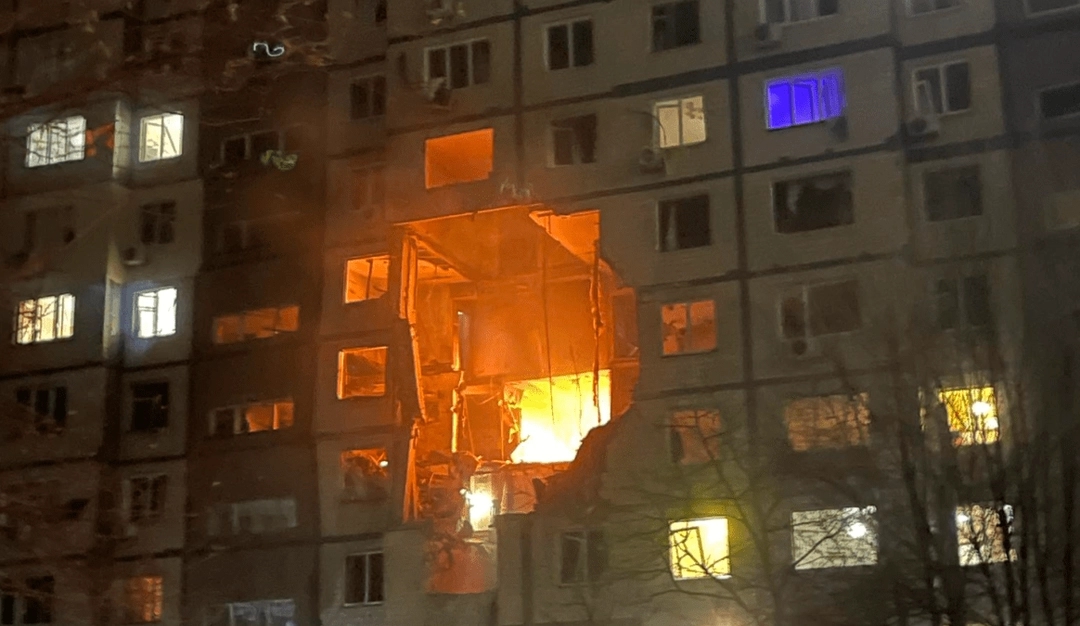
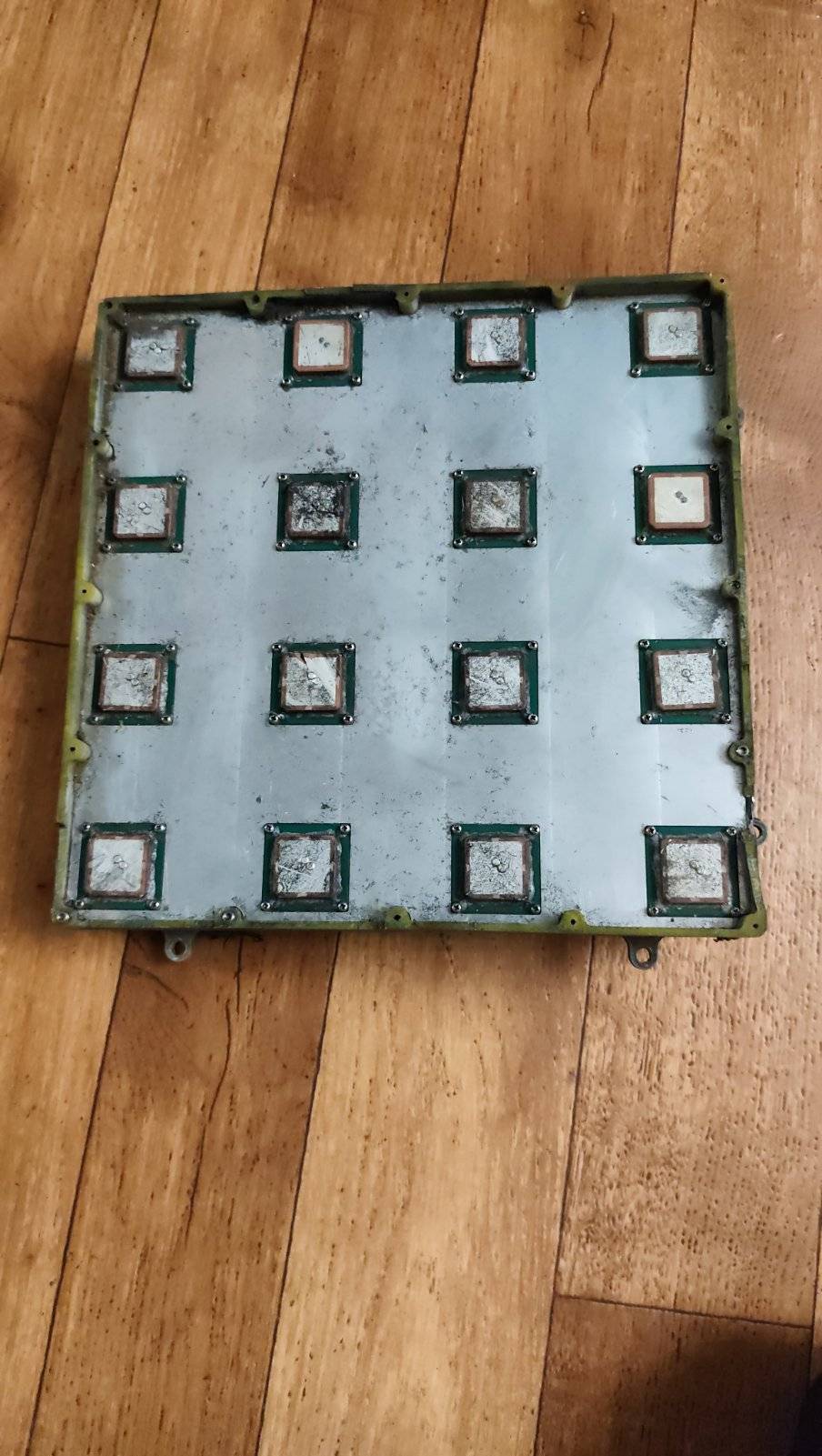
The effectiveness of a CRPA is directly tied to its element count. For instance, a 16 element CRPA can resist jamming from 15 different sources. In Geran UAVs, CRPAs work in tandem with inertial navigation units, which serve as backup systems if the antenna is completely jammed. However, drones cannot rely on inertial measurement alone, as these systems are prone to cumulative drift over hours of flight, requiring correction from the CRPA’s satellite navigation to maintain accuracy. Without these antennas, the Geran is essentially unable to strike targets precisely.
How Chinese companies supply Alabuga with antennas
Harxon Corporation is a large Chinese business specializing in the sale of navigation antennas. By its own count, the company has “over 400 employees and more than 200 partners worldwide.” The firm presents itself as a subsidiary of the U.S. sanctioned BDStar.
Harxon’s online product catalog, aimed at the civilian market, indicates that the product codes for the company’s antennas all begin with HX. Nordsint has documented antennas with the same prefix in the debris of Shahed drones. In particular, these models were labeled for use in "grain combine harvesters.” This tactic is likely used to bypass Chinese export customs, as Chinese law prohibits the export of dual use goods to military users. A model of this name does not appear in Harxon’s public catalog, possibly indicating a hidden model for military clients.
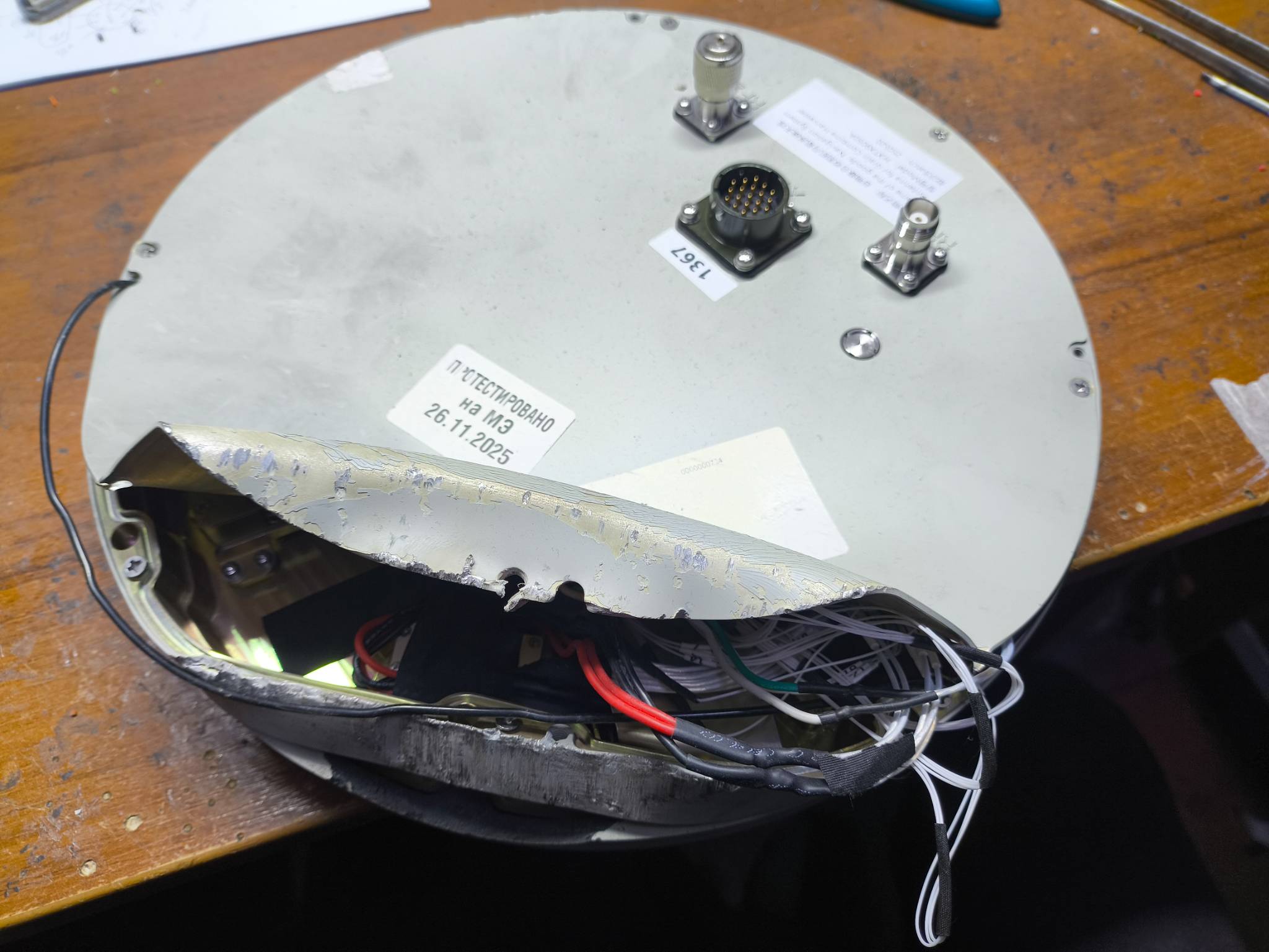
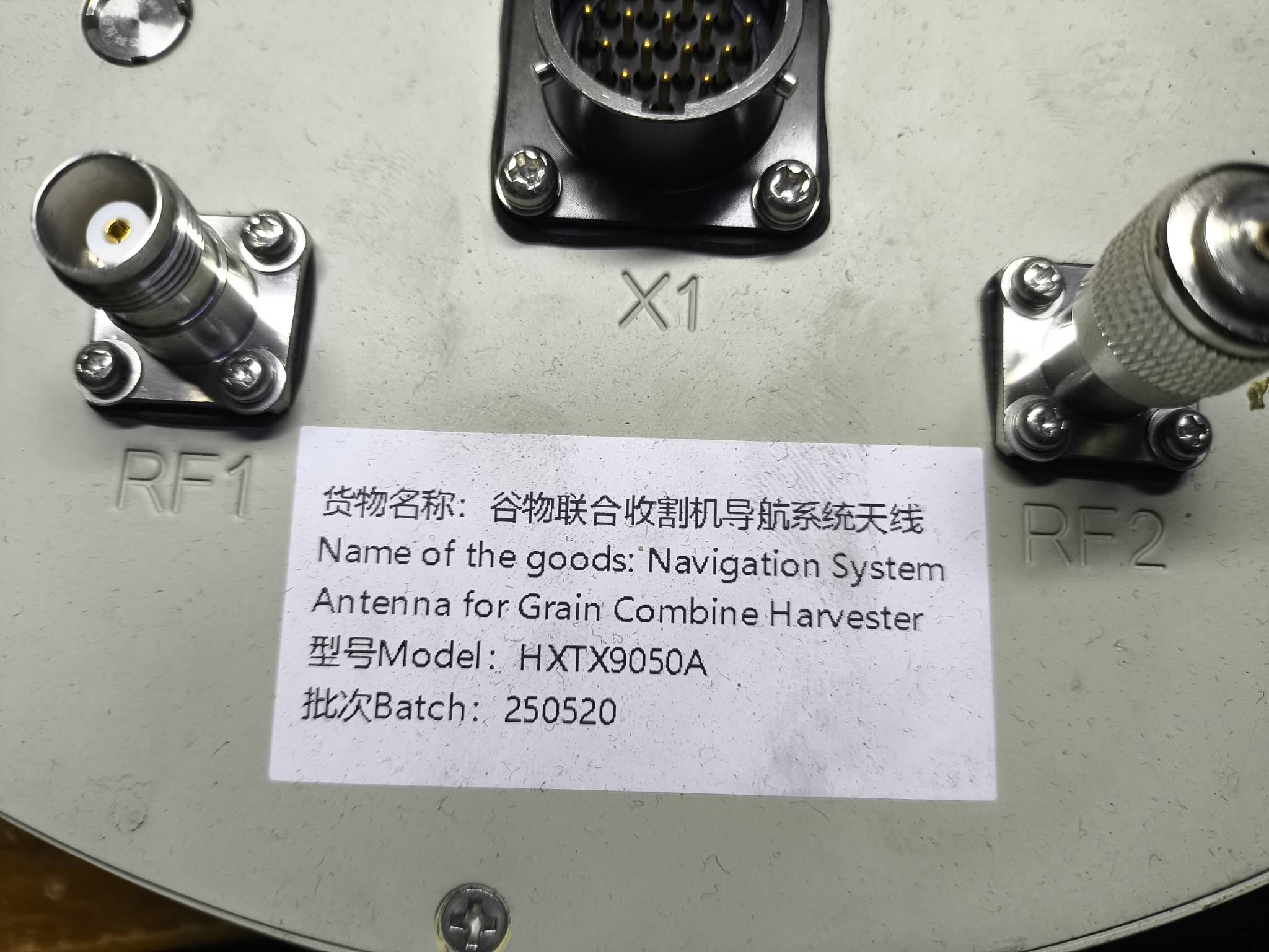
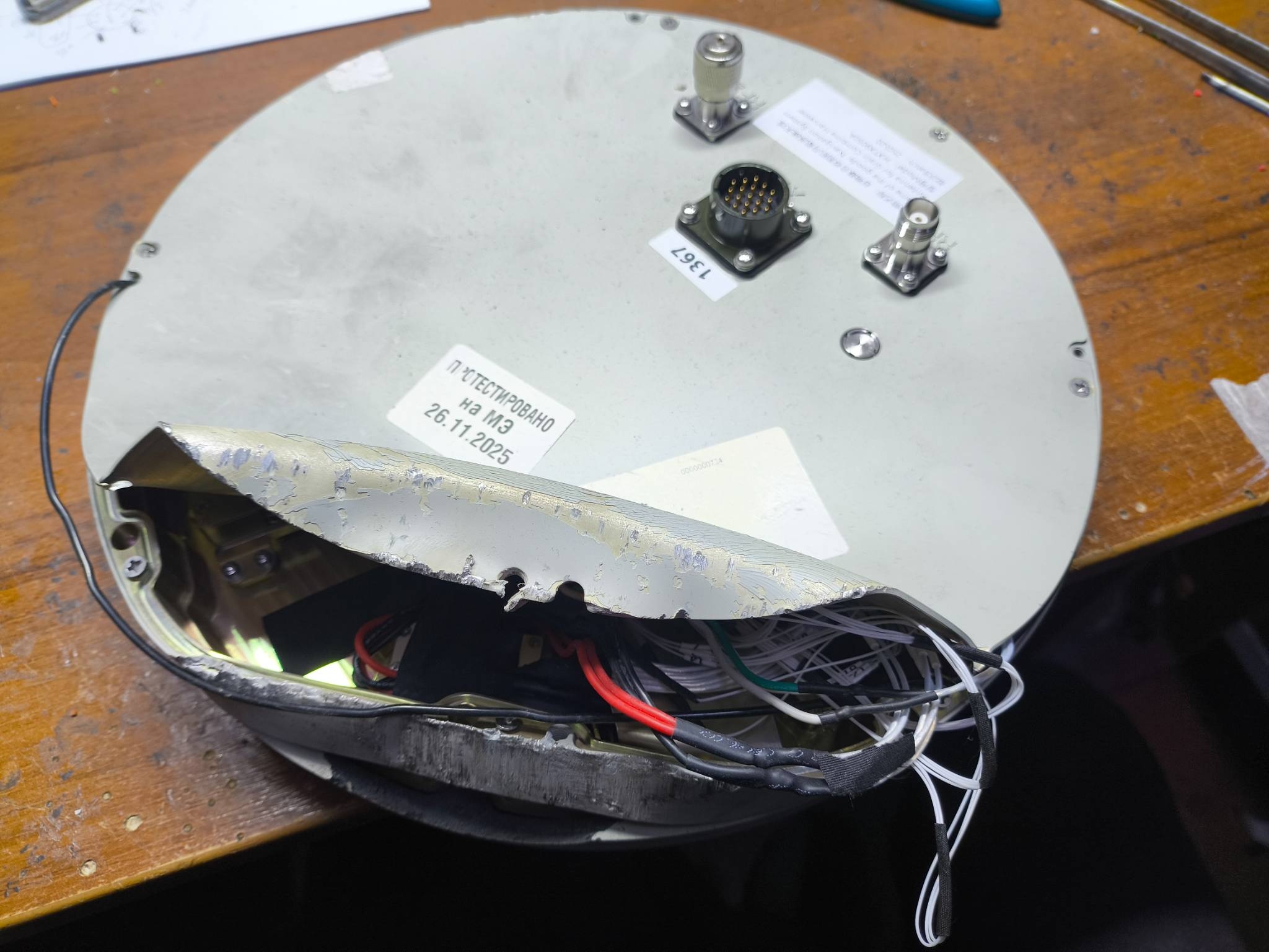
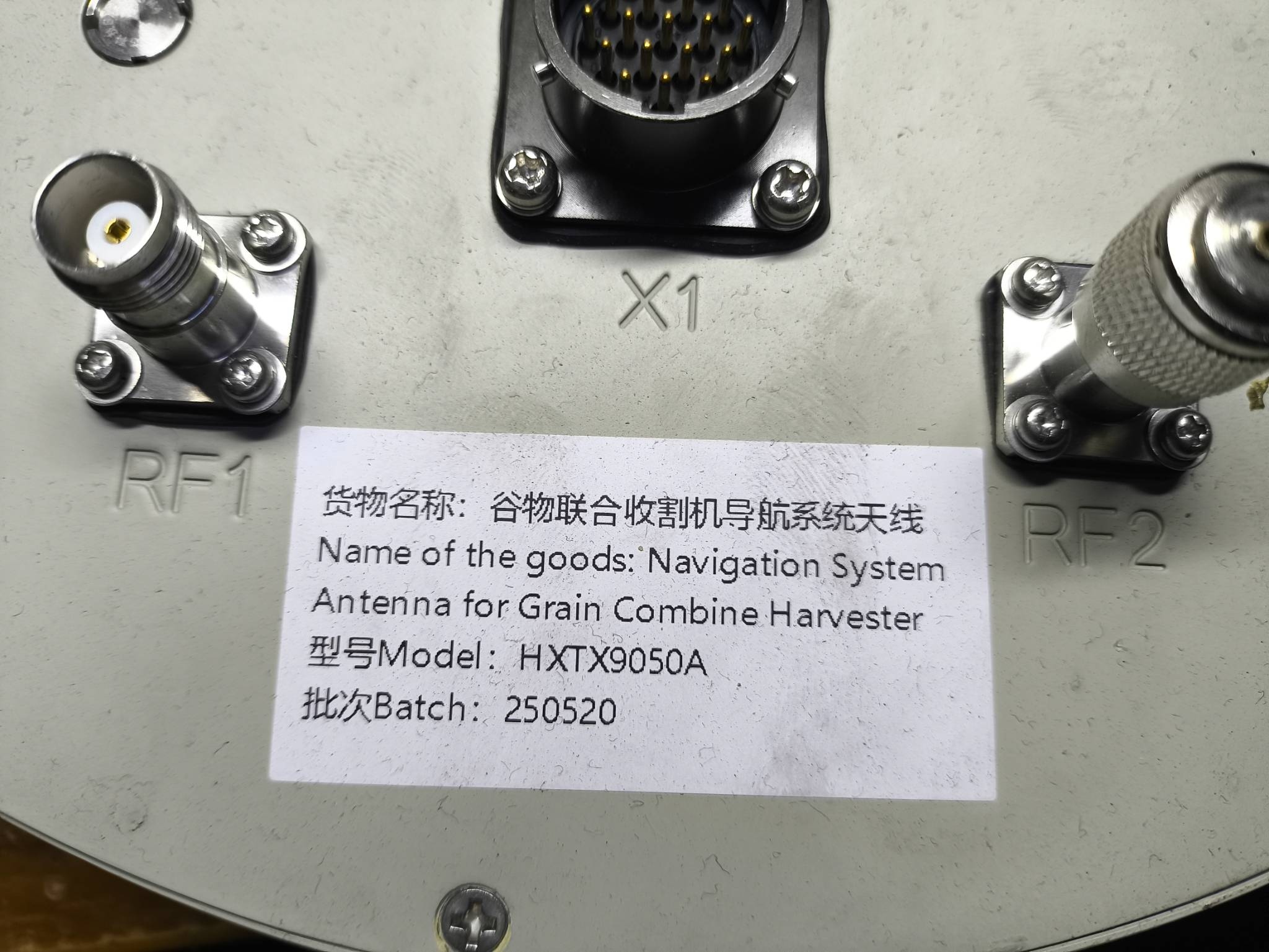
Posing as a supplier for Russian military drone production, Nordsint contacted Harxon asking to purchase CRPAs. Nordsint reached out to Harxon’s official sales email, but received a reply from the personal email of a representative named Masha Wu. Wu expressed a willingness to sell antennas but emphasized that the transaction would be handled under a different company name. “We will use other company for communication and contract signature (not Harxon) because it's sensitive,” wrote Wu. She is identified on LinkedIn as an overseas sales manager at Harxon.

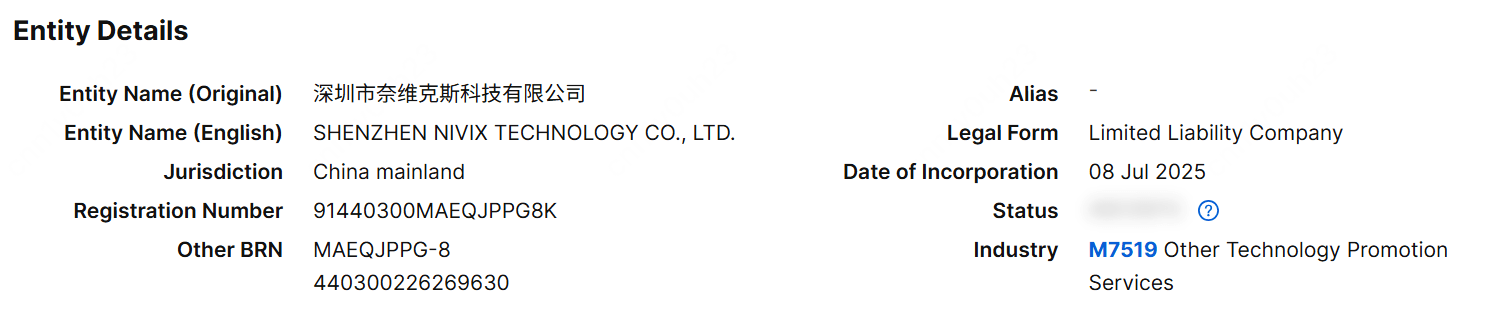
When asked about the availability of the HXTX9050A, Wu said that the company did not stock the model, but said similar ones were available. Wu subsequently transferred the sale to a representative named Anthony, later identified on an invoice to Nordsint as Anthony Zheng, from a company called NavX Technology Co., Ltd. Due to the restricted nature of anti-jamming solutions, Zheng asked to move the conversation from WeChat to Telegram. Little information exists about NavX as a company. It does not have an online presence, and no official mentions of the company name can be found online apart from business registries, which indicate the company was incorporated in July 2025.
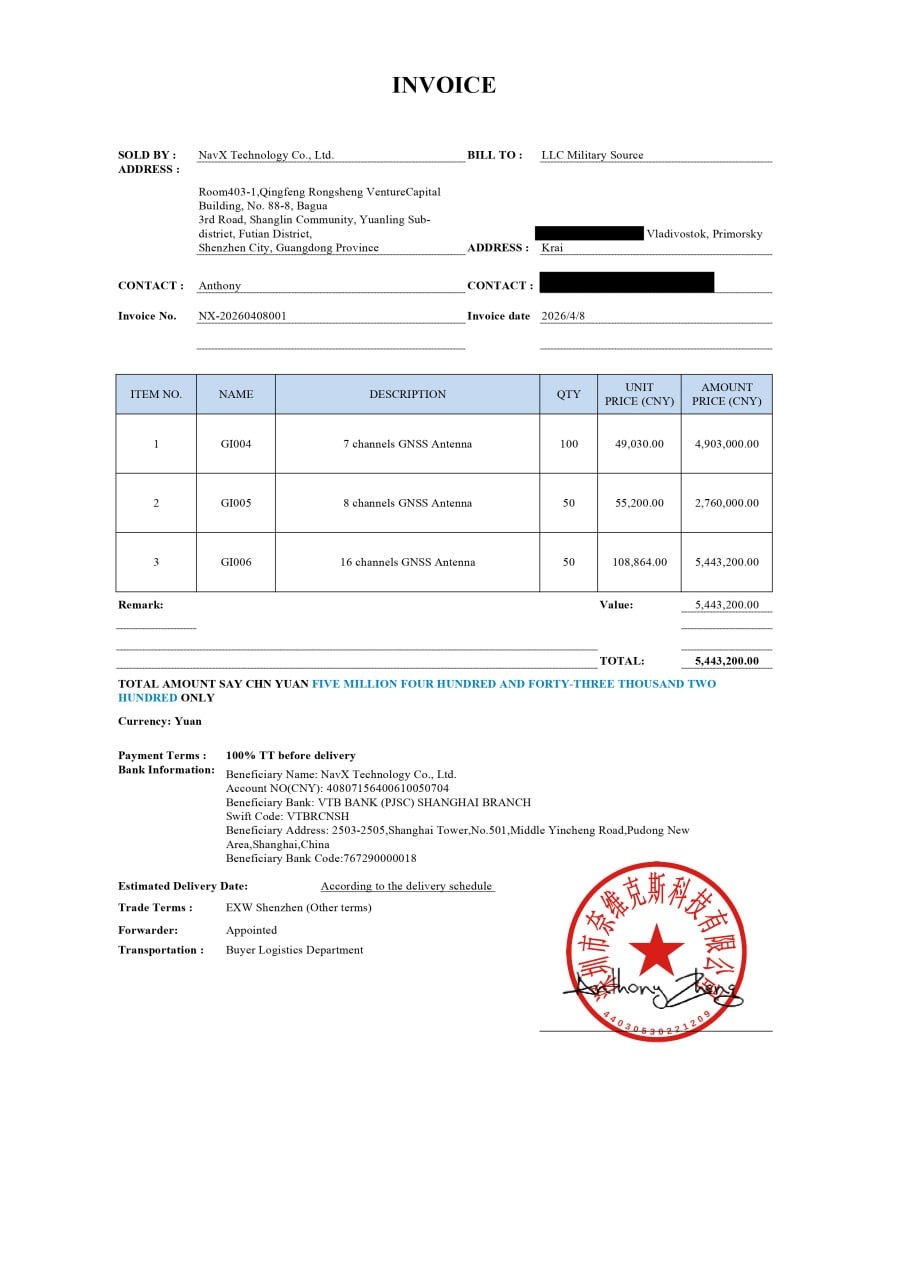
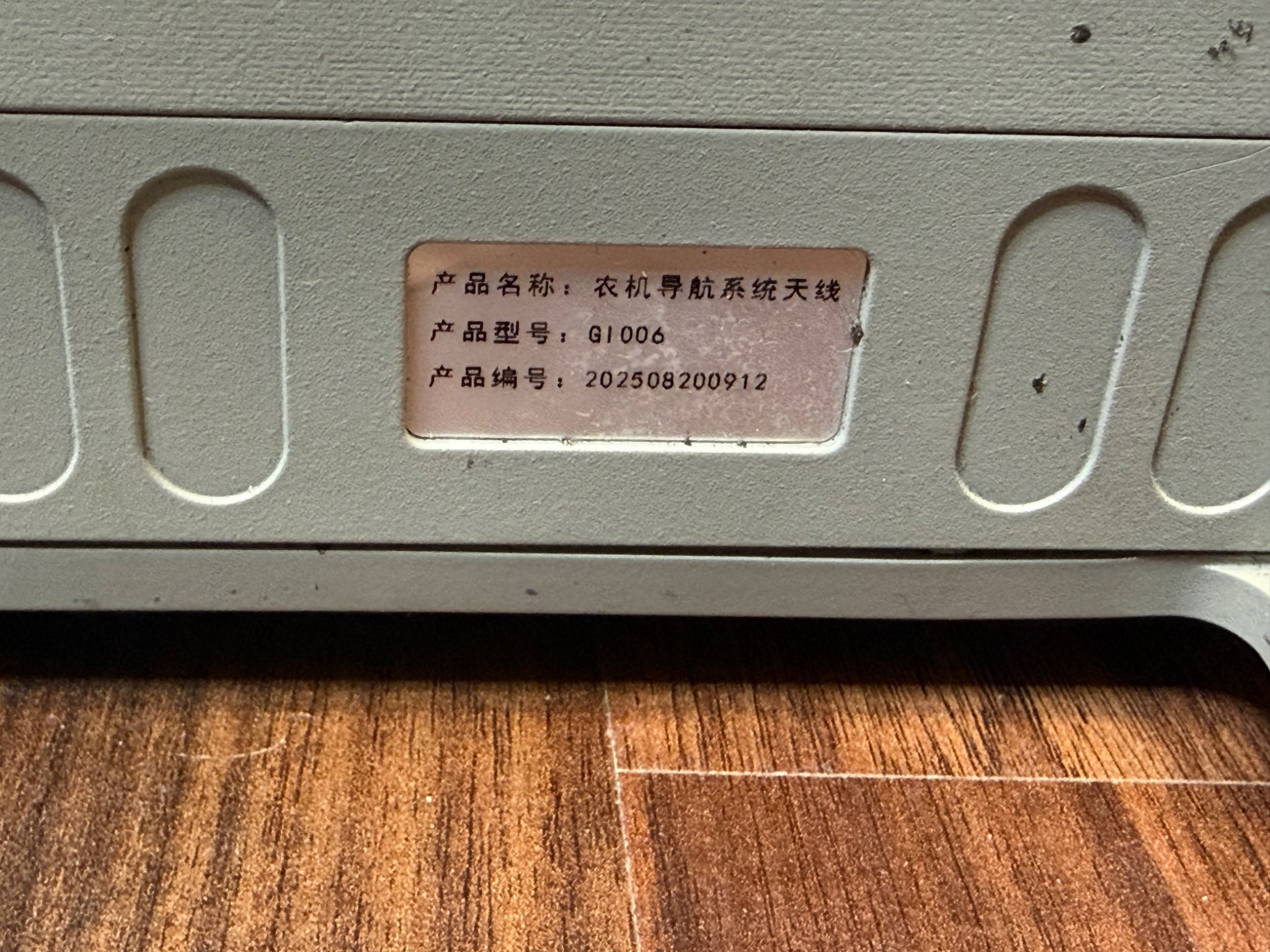
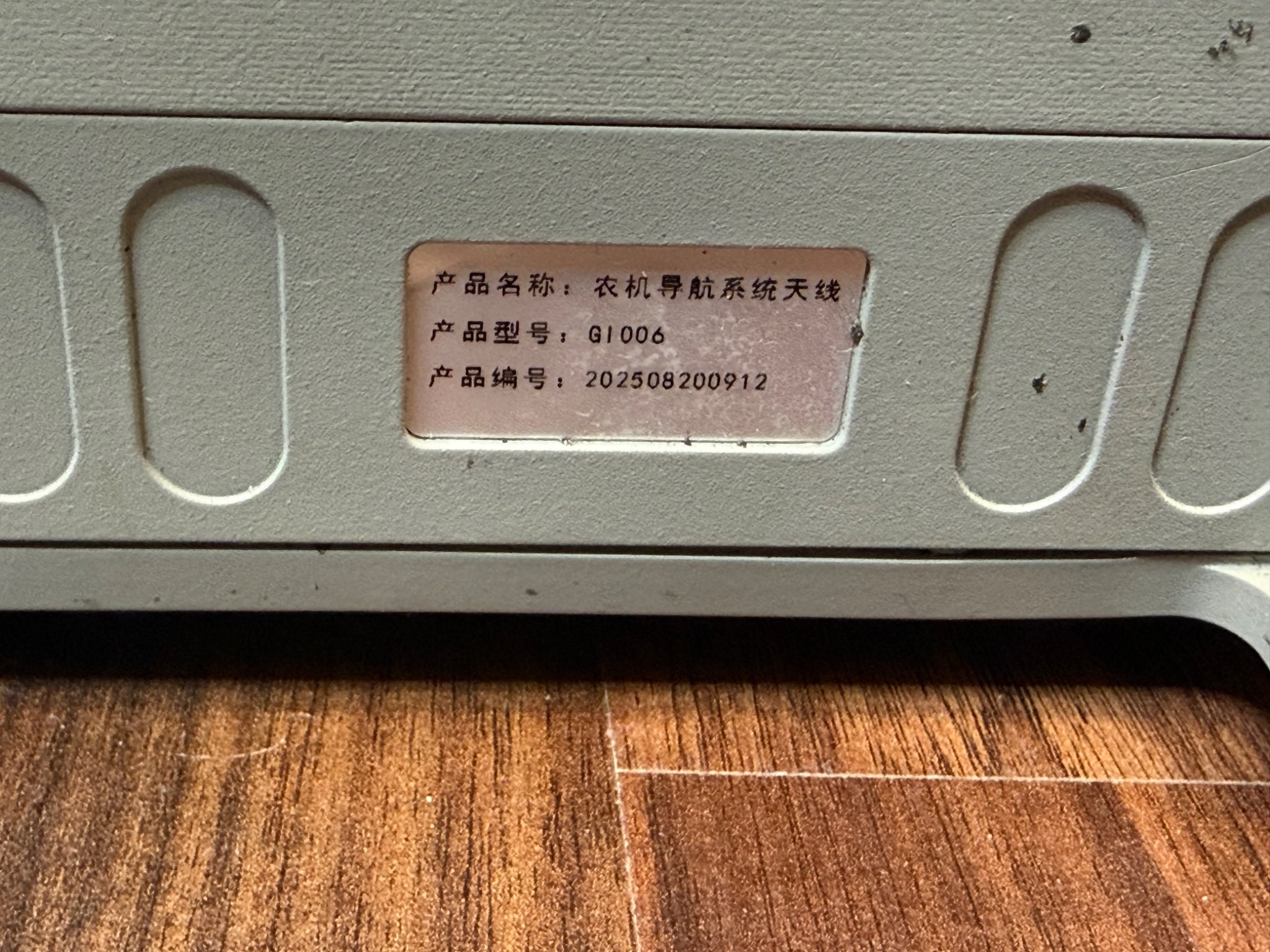
Zheng offered antennas with seven, eight, and 16 channels, designated as models GI004, GI005, and GI006, and provided technical documents for each antenna. A discrepancy appeared in the documentation for the GI006 16-channel antenna, which was internally labeled as the GI015 within the technical specifications. Despite this labeling, the filename of the document remained GI006, and the GI006 designation appears on a final invoice of these antennas.
None of these models exist in online records, and they appear to be manufactured exclusively for military clients. “We will have the normal civilian antennas in the near future. I will share more information when we build up the cooperation” said Zheng. When asked if NavX stocked the HXTX9050A, Zheng said that the “GI005 is smaller and better than HXTX9050A,” indirectly acknowledging the existence of the latter model. According to Zheng, Harxon/NavX CRPAs use almost entirely Chinese made components, with the only foreign components in the system being a cheap Samsung capacitor. Additionally, he mentioned the company was in the process of developing a 32-channel antenna.
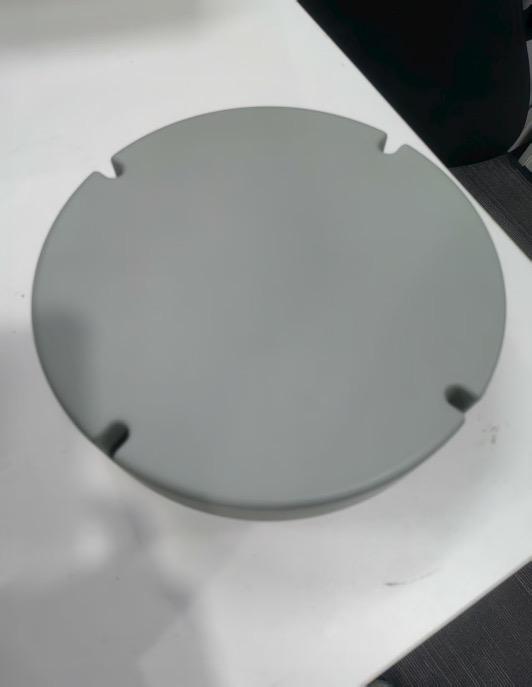
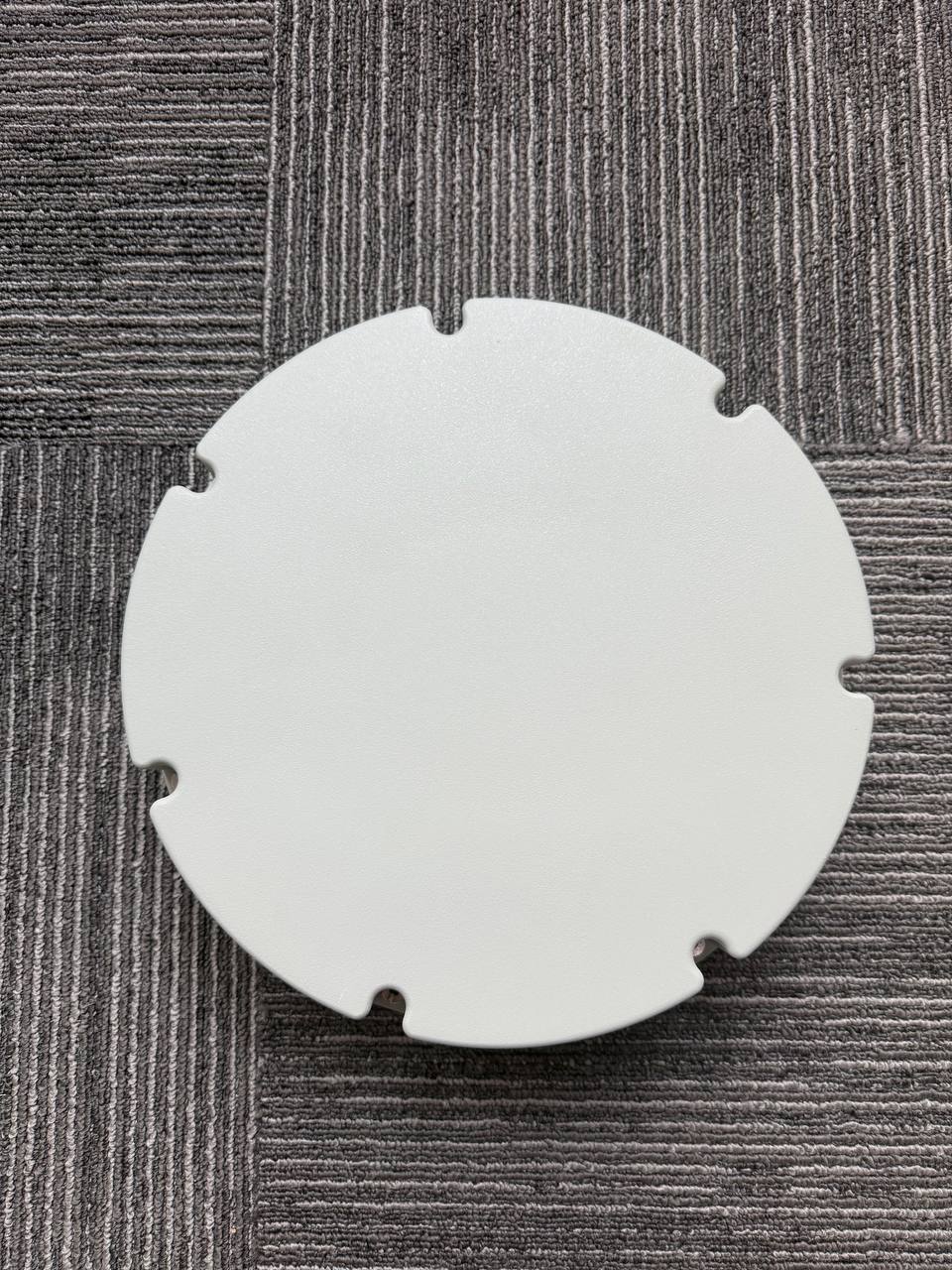
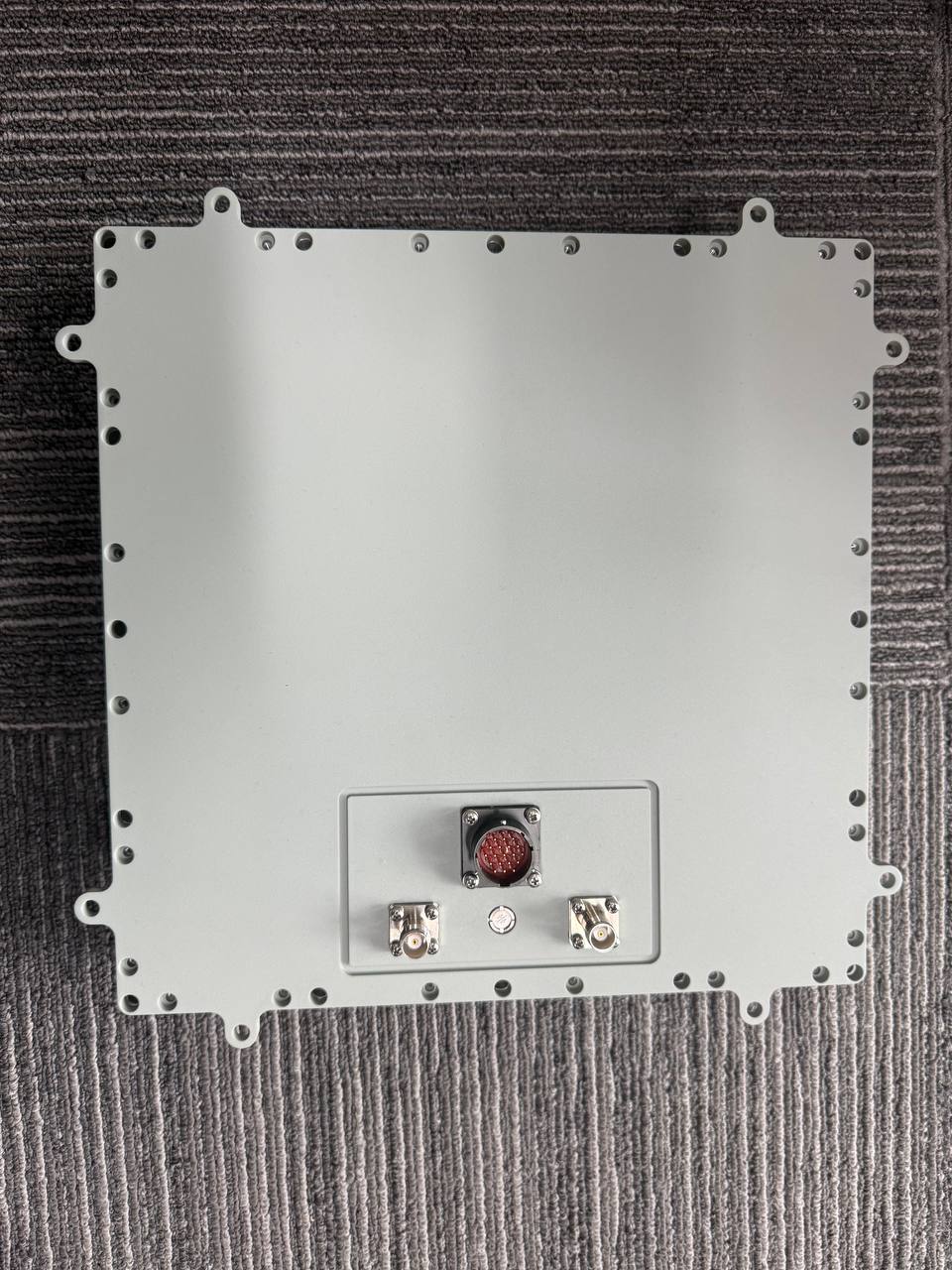
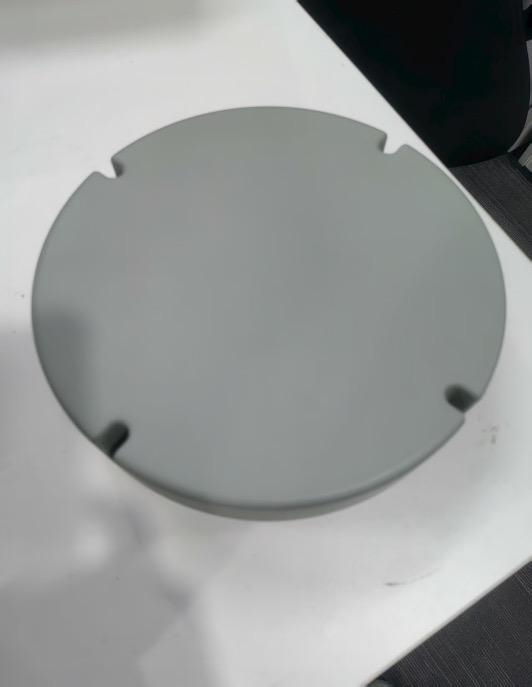
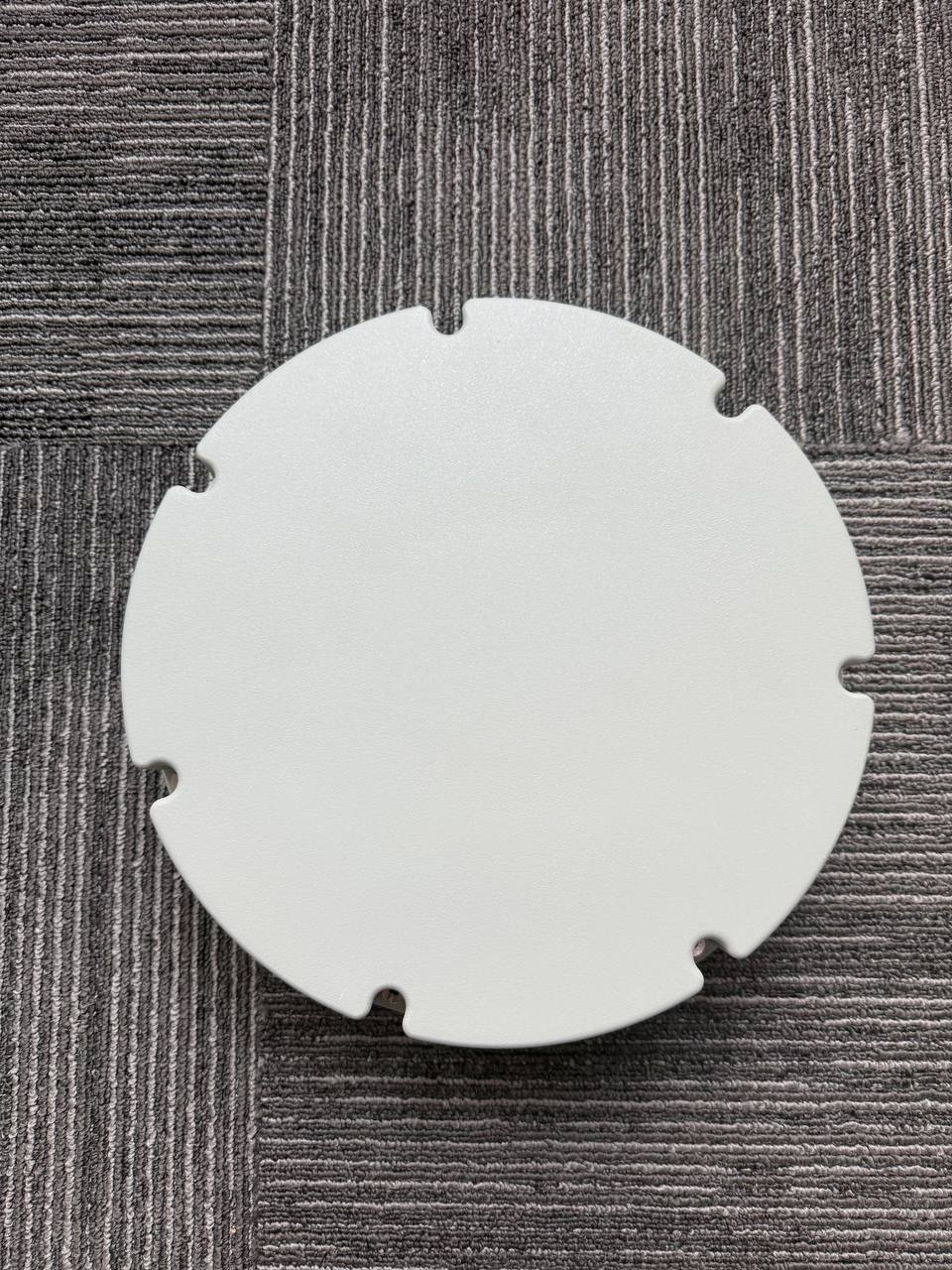
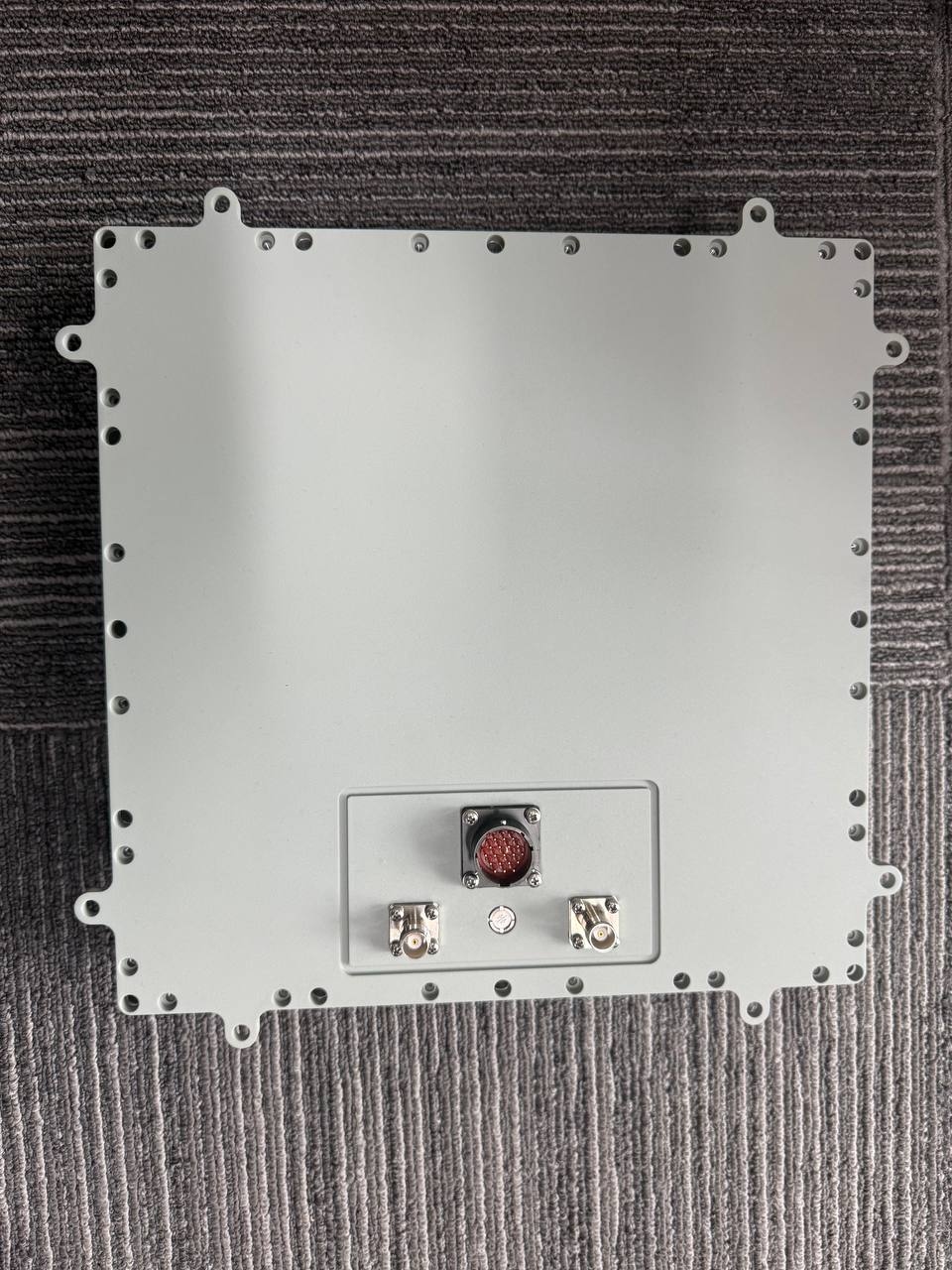
Nordsint placed a bulk order for 200 units, consisting of 100 7-channel antennas, 50 8-channel antennas, and 50 16-channel antennas. The invoice for the antennas identified the seller as Shenzhen NavX Technology Co., Ltd., and the company requested that payment be directed to a VTB Bank account.
Previously, The Insider revealed that this bank serves as a key processing hub for Chinese firms supplying the Russian defence industry. The total cost for this hardware amounted to over ¥13 mln (ca. $1.9 mln). The cost of each individual antenna was ¥49,030 ($7176) for the 7-channel variant, ¥55,200 ($8,079) for the 8-channel model, and ¥108,864 ($15,934) for the 16-channel version.
The company’s name indicated on the seal appears to be authentic, while the registration number provided does not.
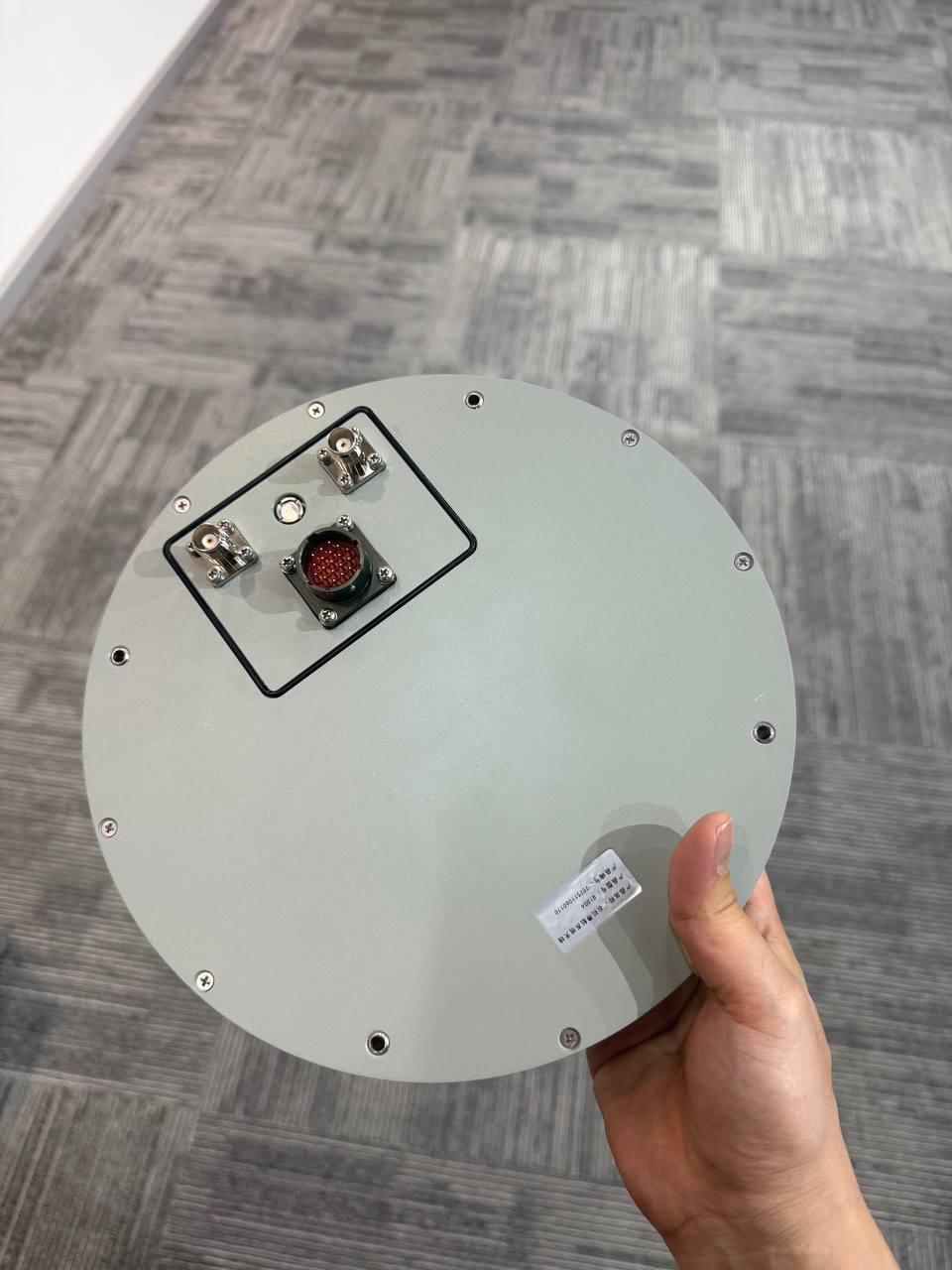
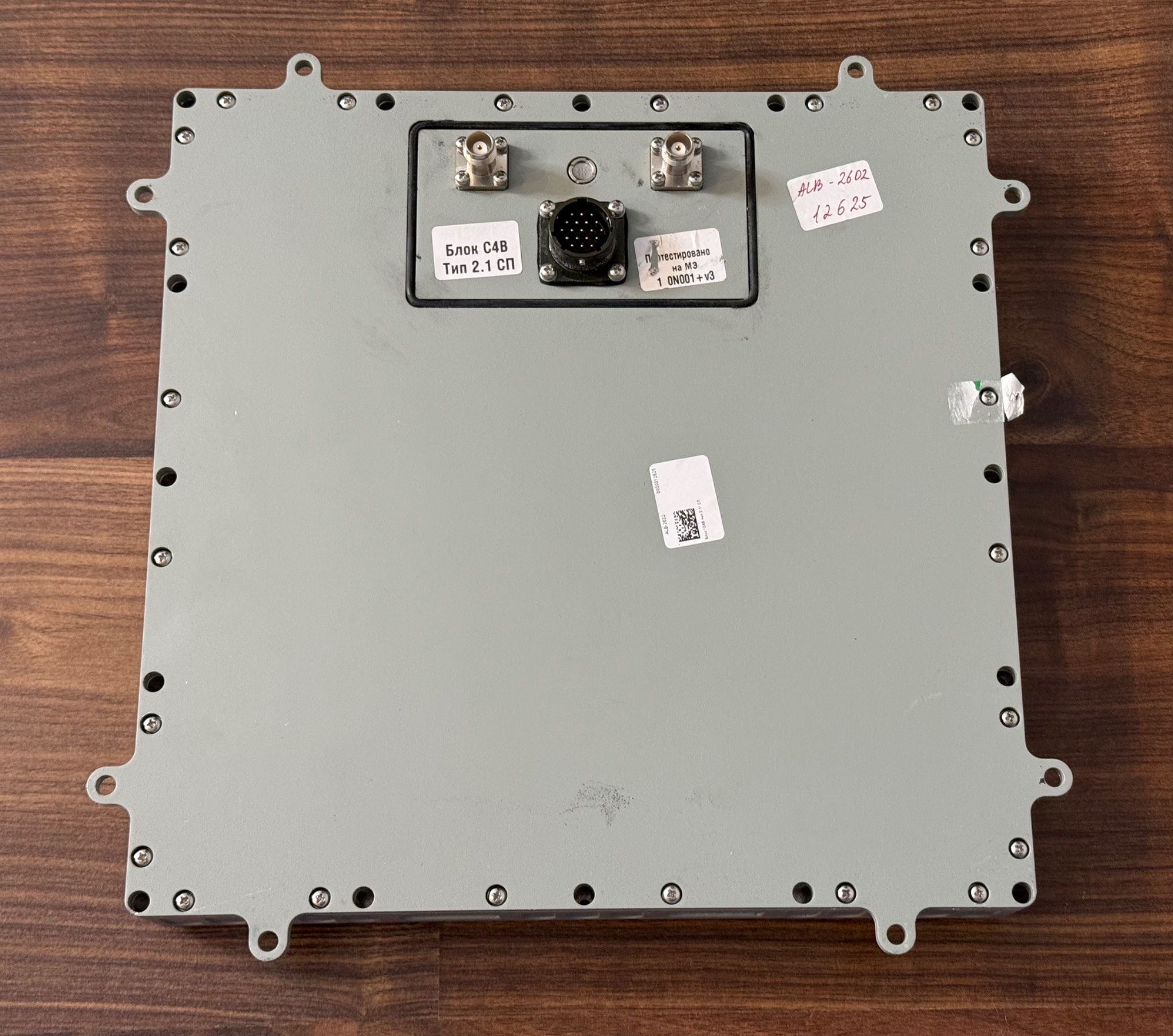
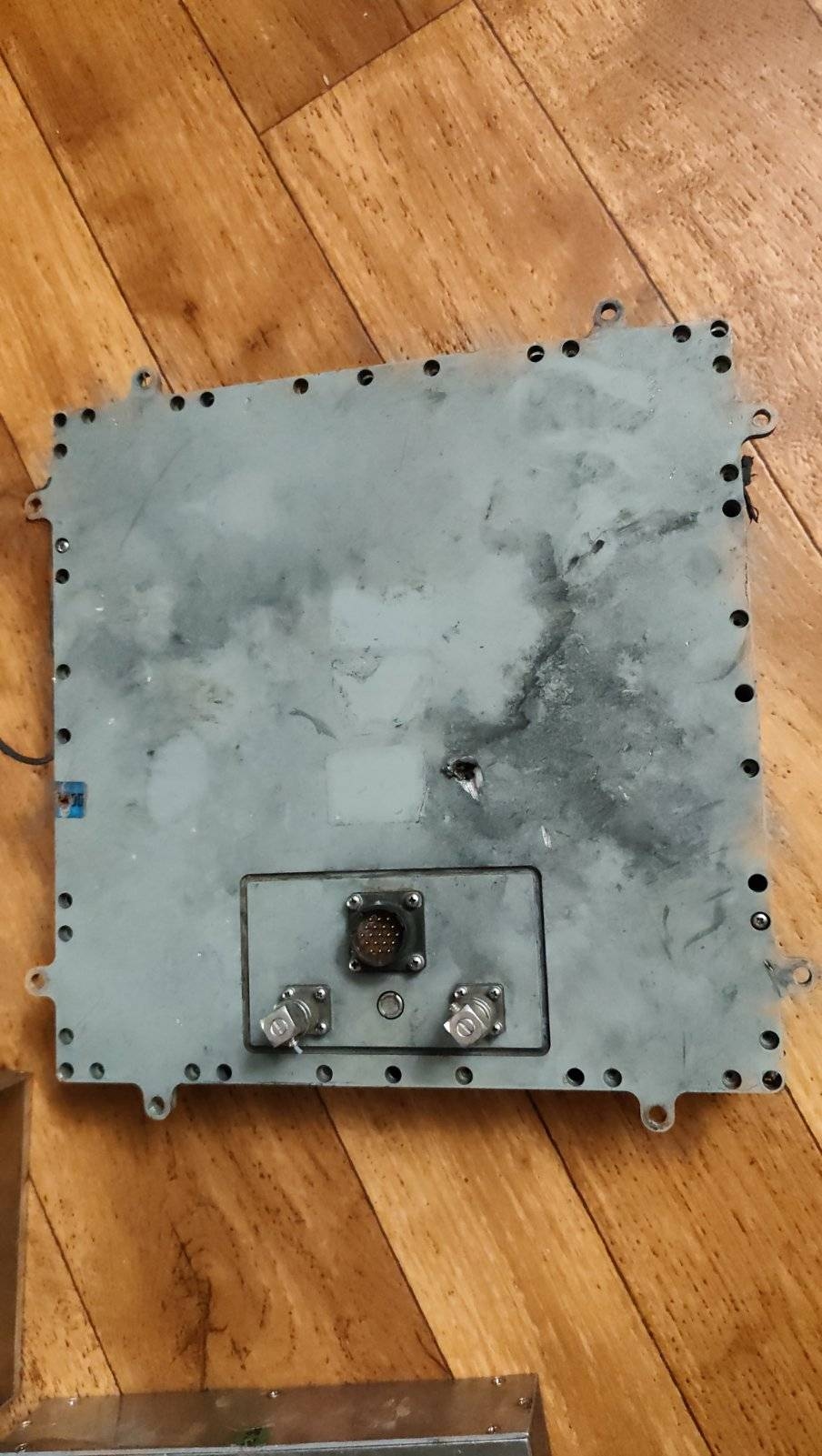
Nordsint cross-referenced the images provided by NavX with photos from Ukrainian auctions featuring captured drone components. In several instances, antennas captured in Ukraine still retained product stickers in Chinese specifically designating the antennas as GI004 and GI006 respectively, the same models sold by Navx. In the case of the 7-channel GI004 antenna, the sticker found in the field is identical to the sticker featured in photos sent by NavX. These stickers indicate in Chinese that the units are “agricultural machinery navigation antenna,” a false label presumably used to bypass Chinese export restrictions, as it is unlikely Russian customs services would understand the associated Chinese text.
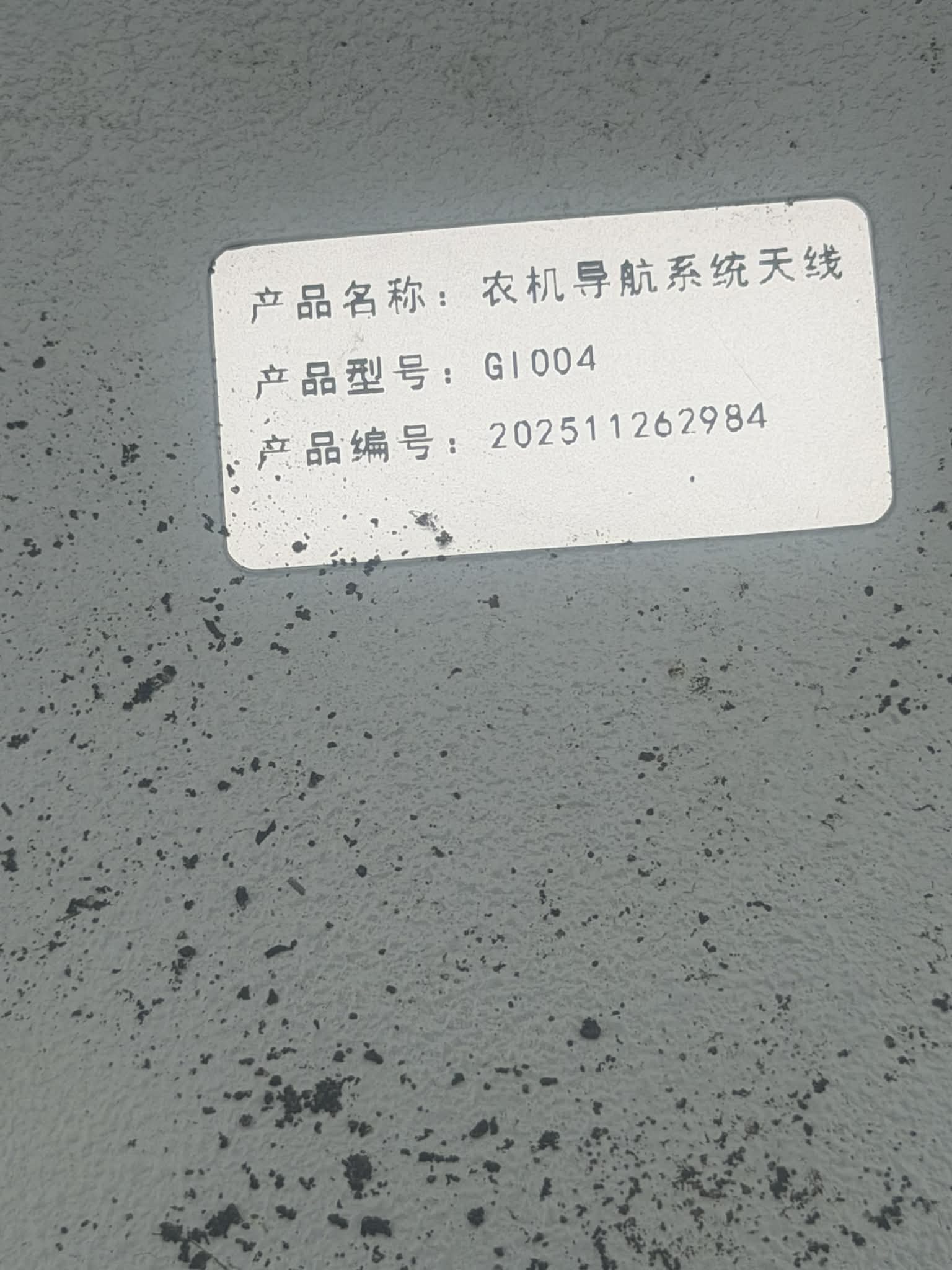
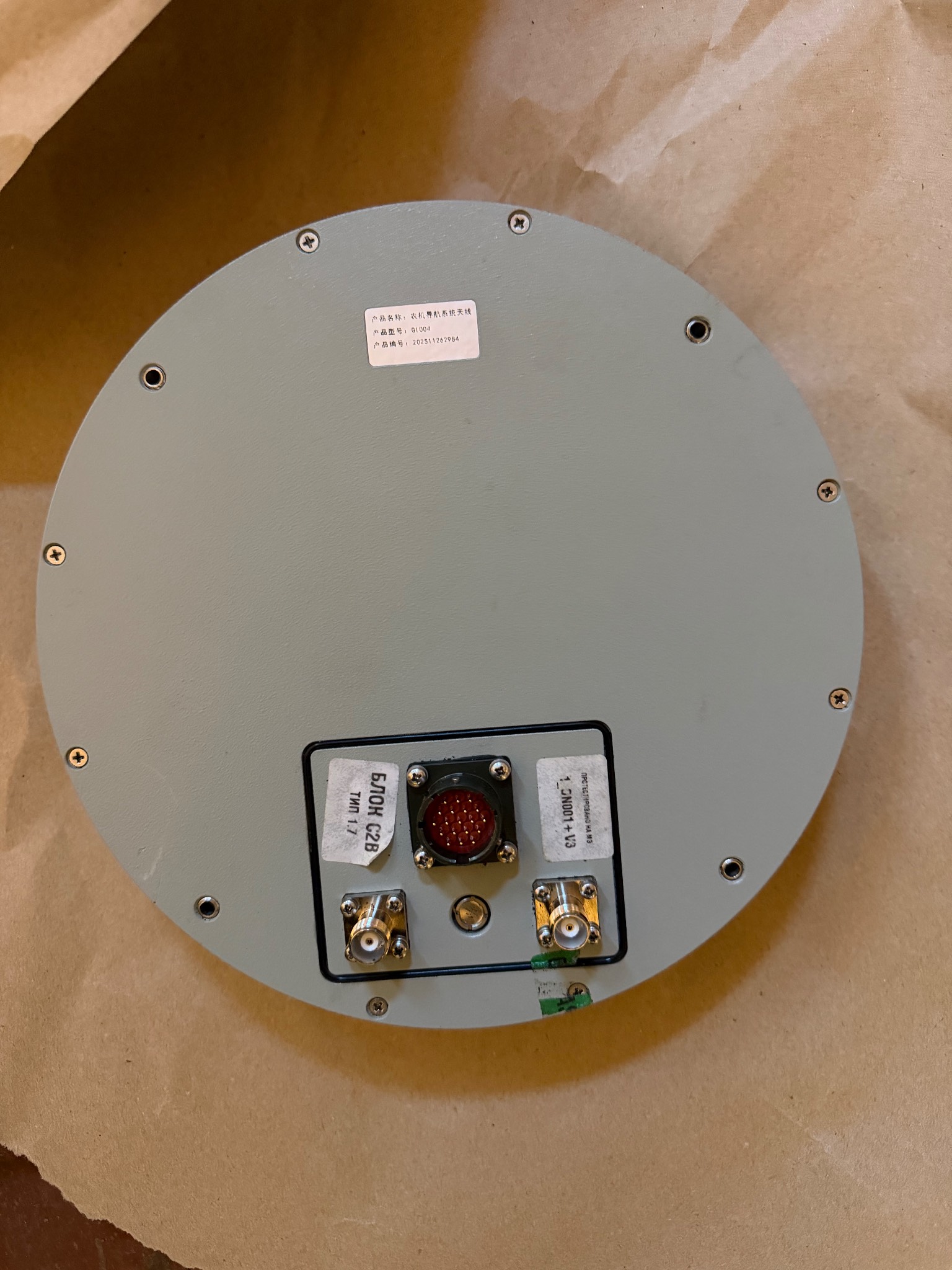
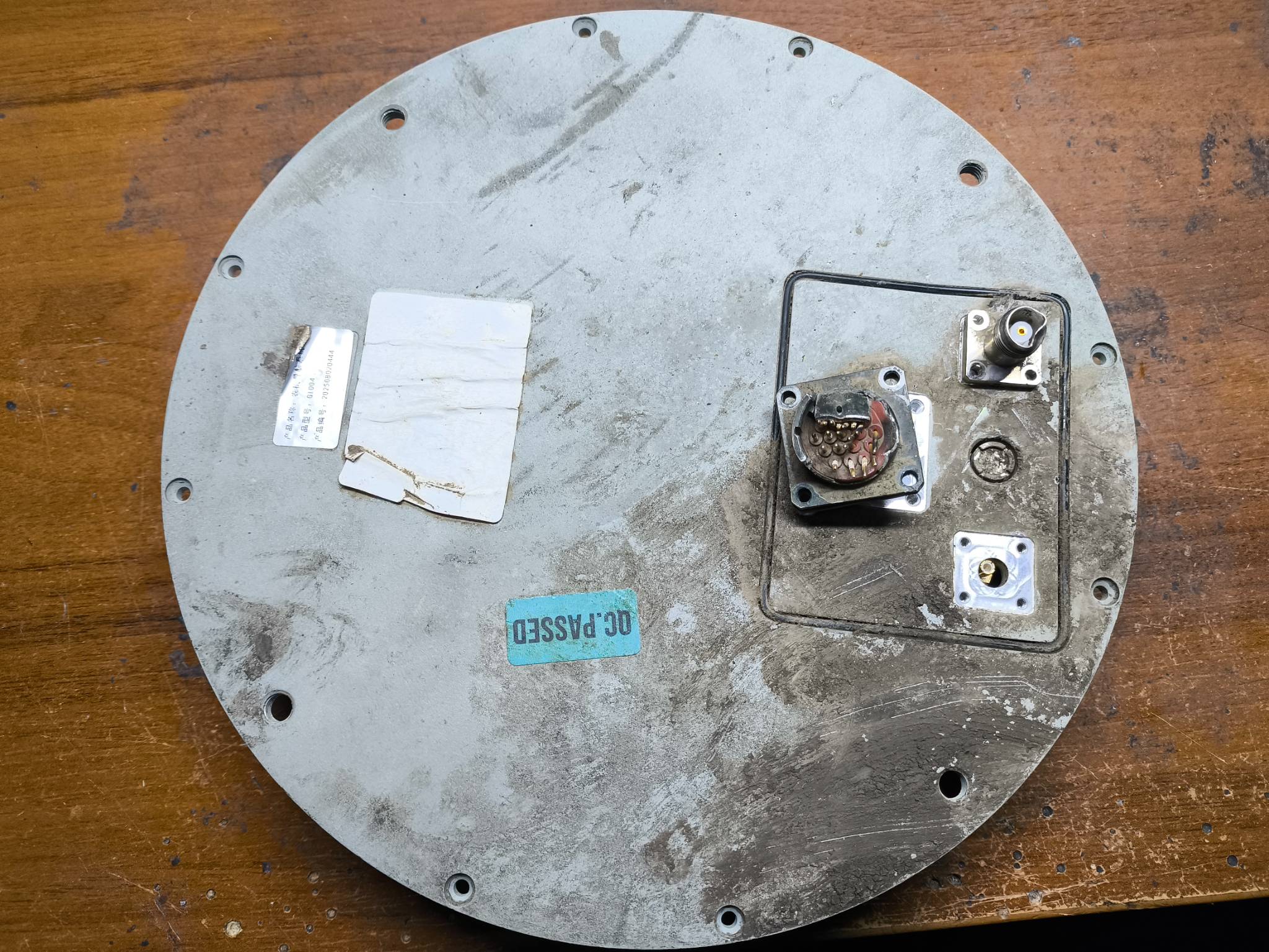
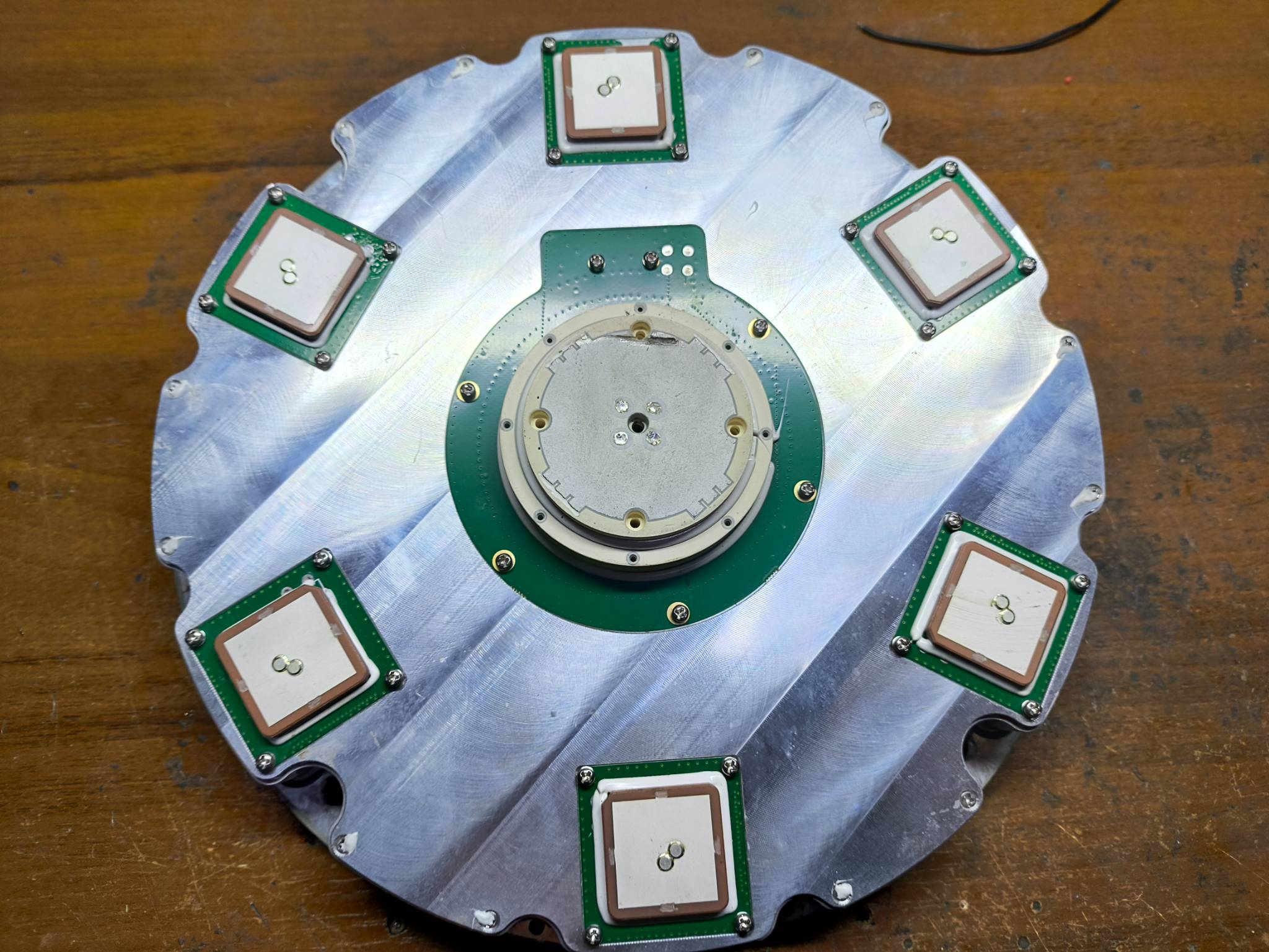
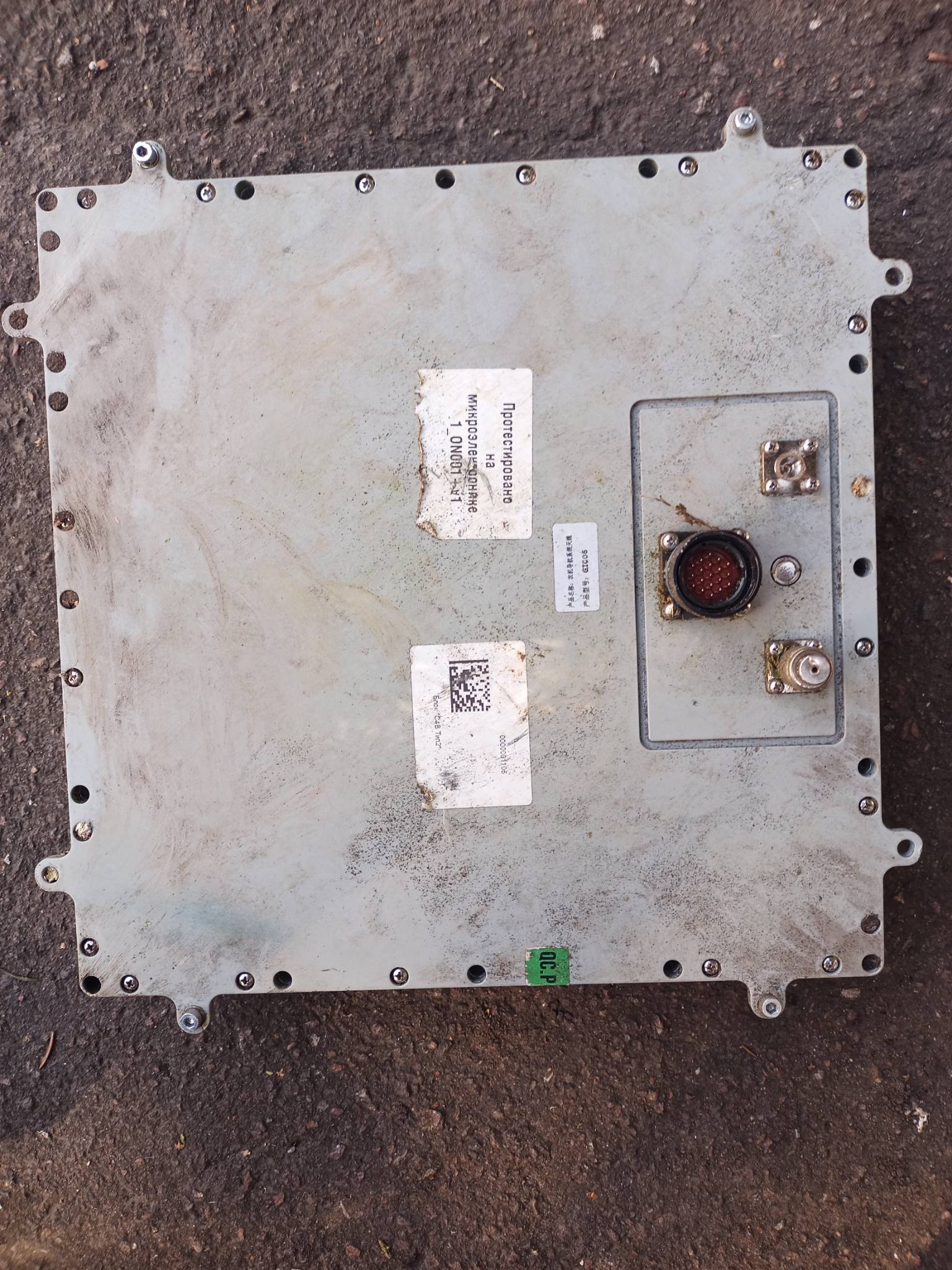
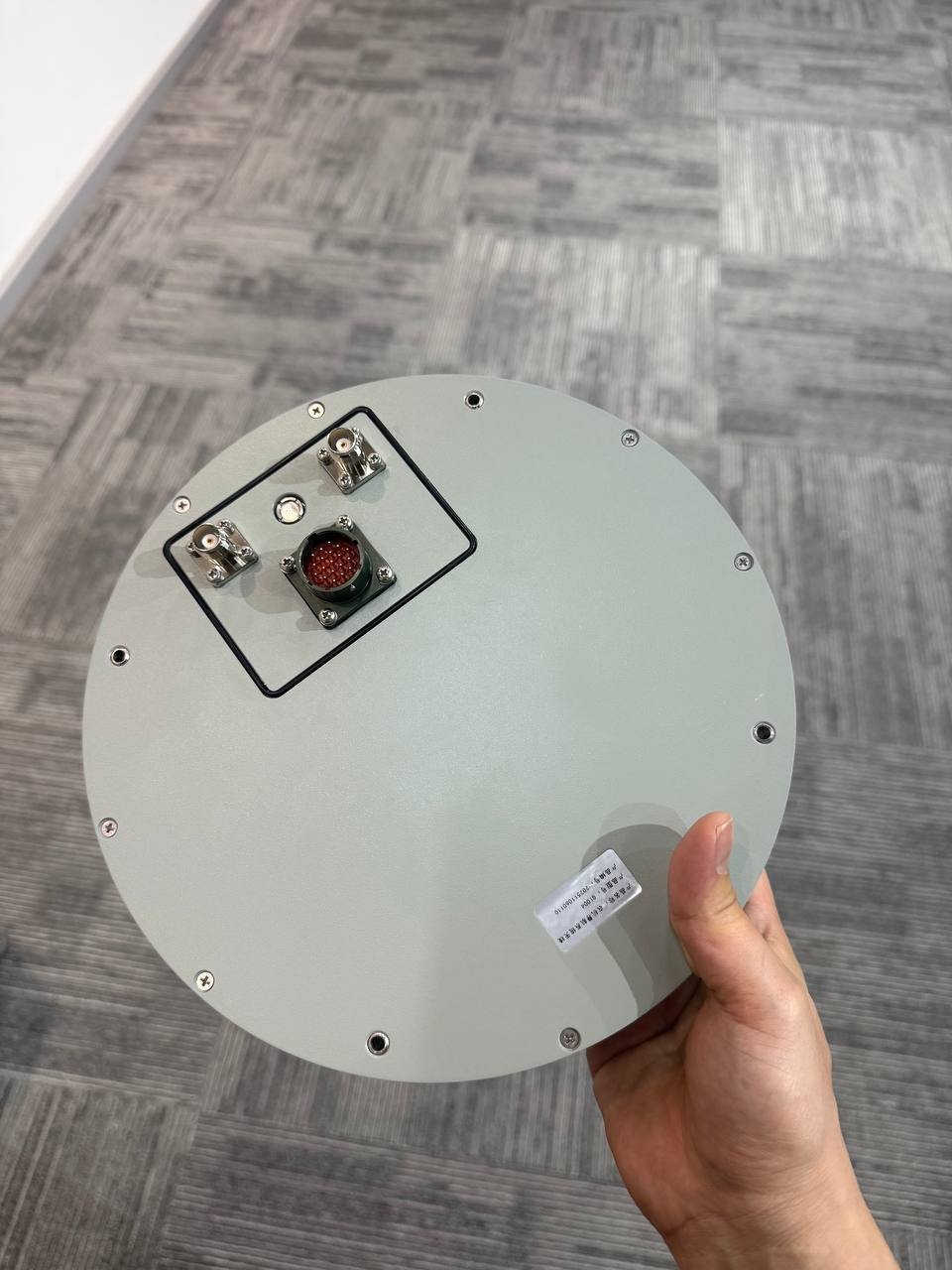
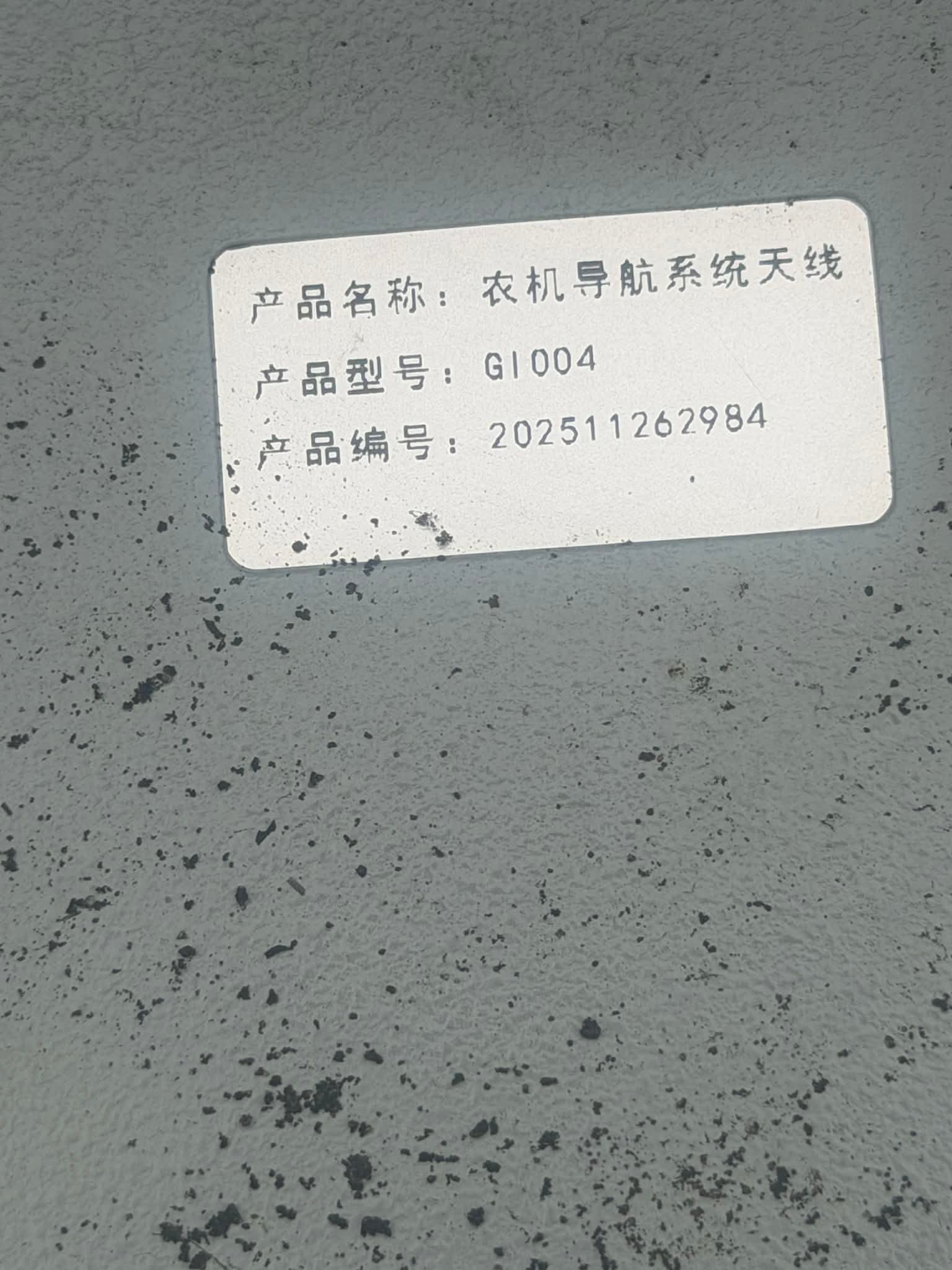
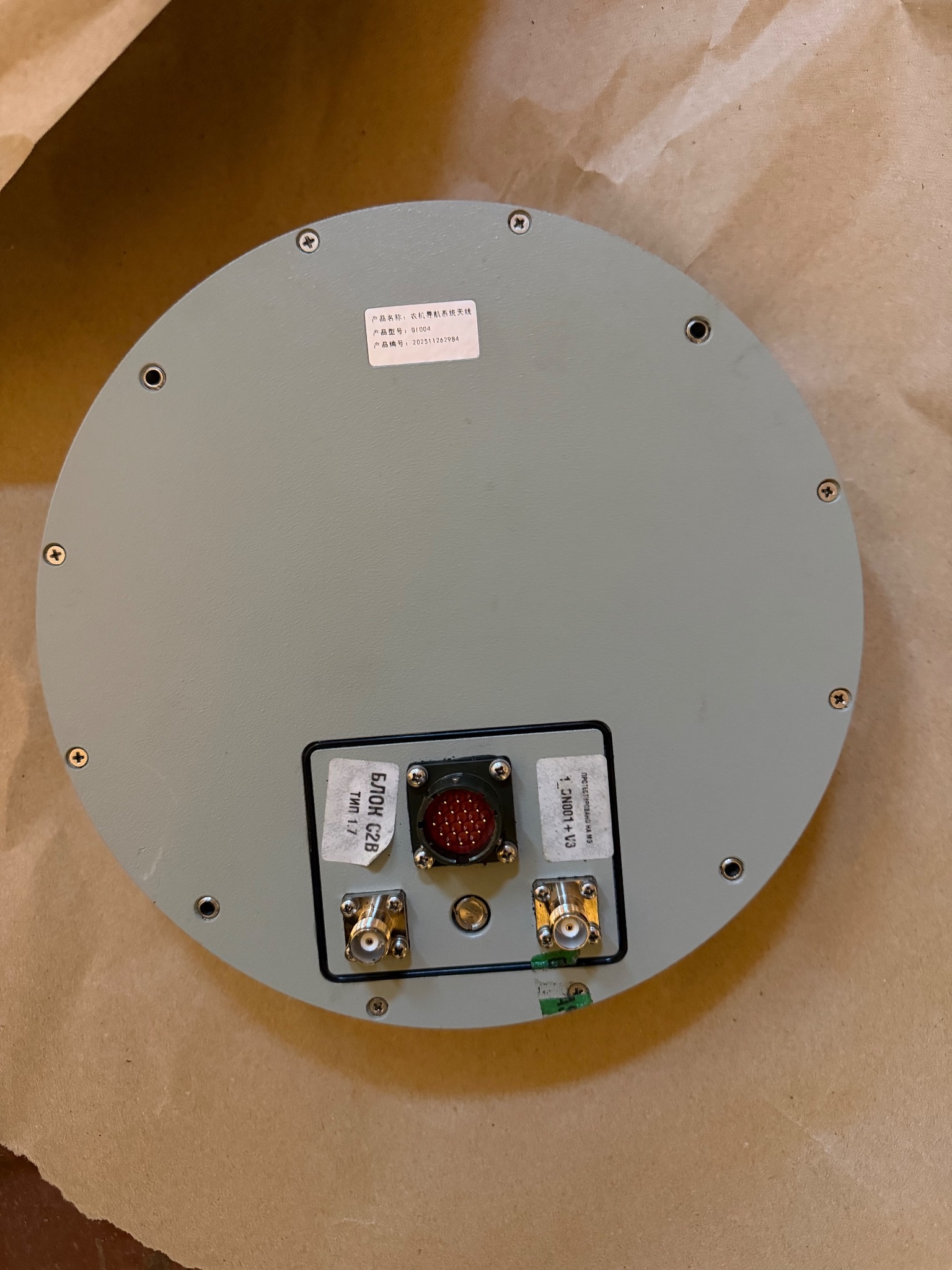
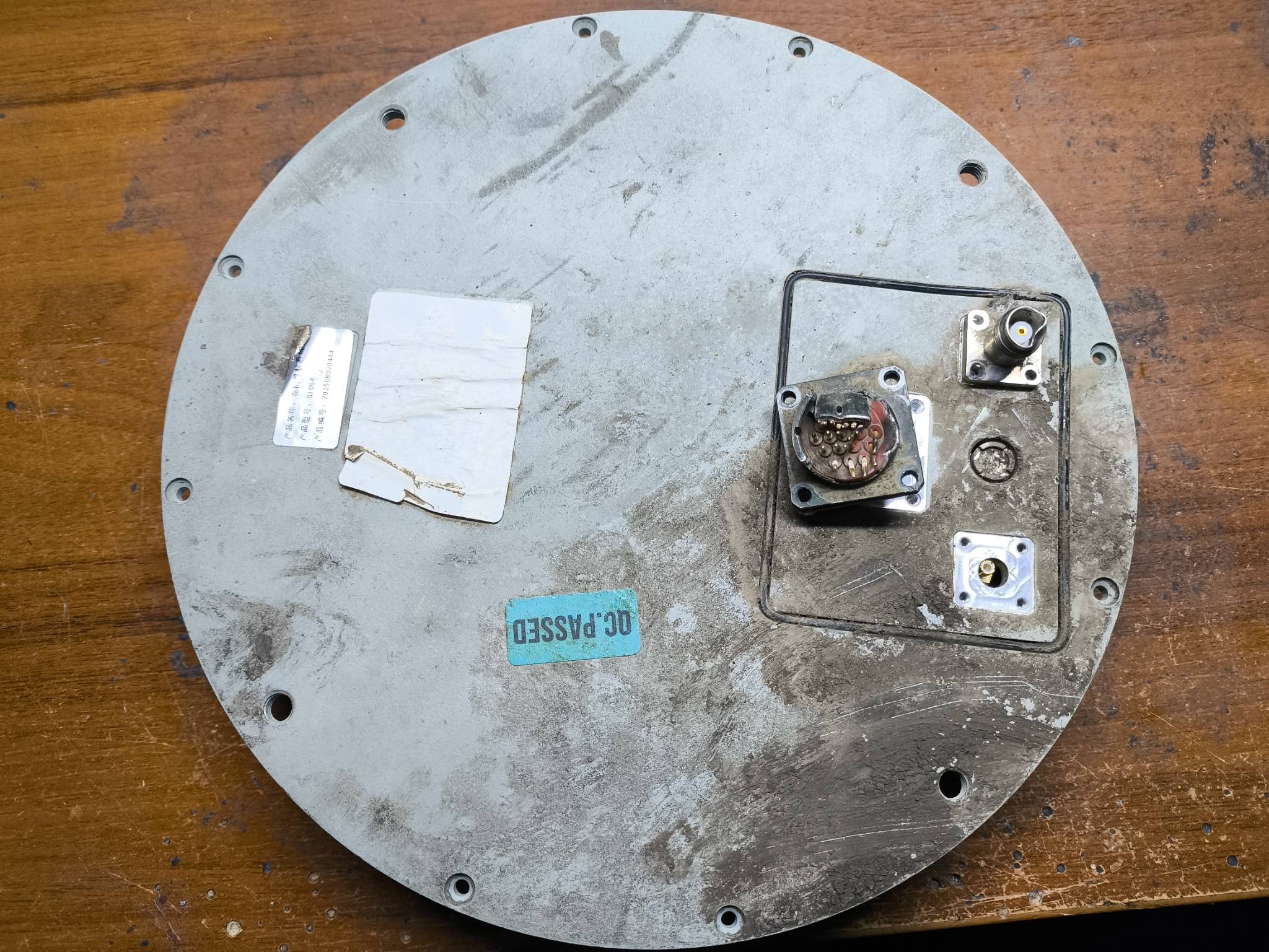
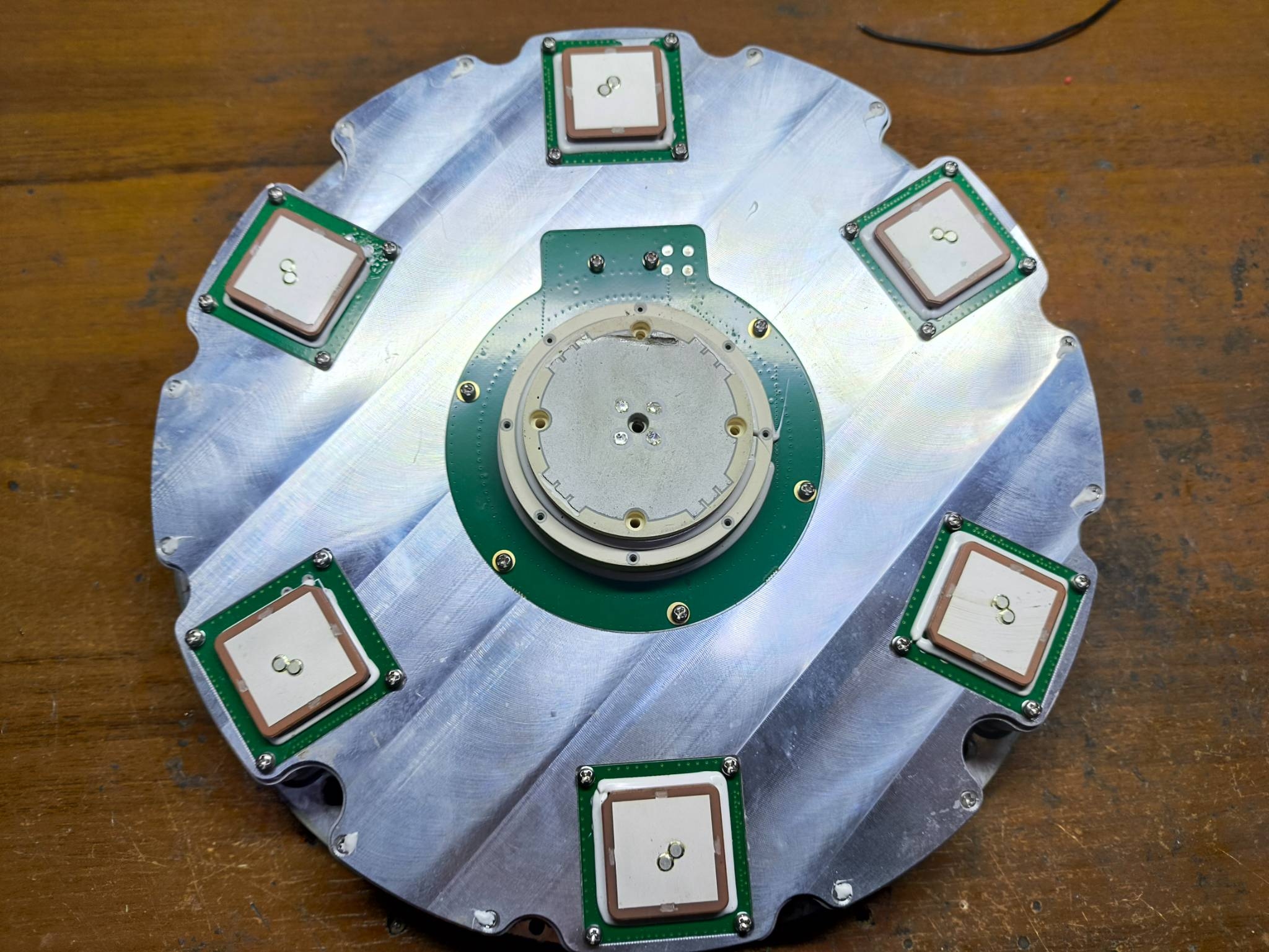
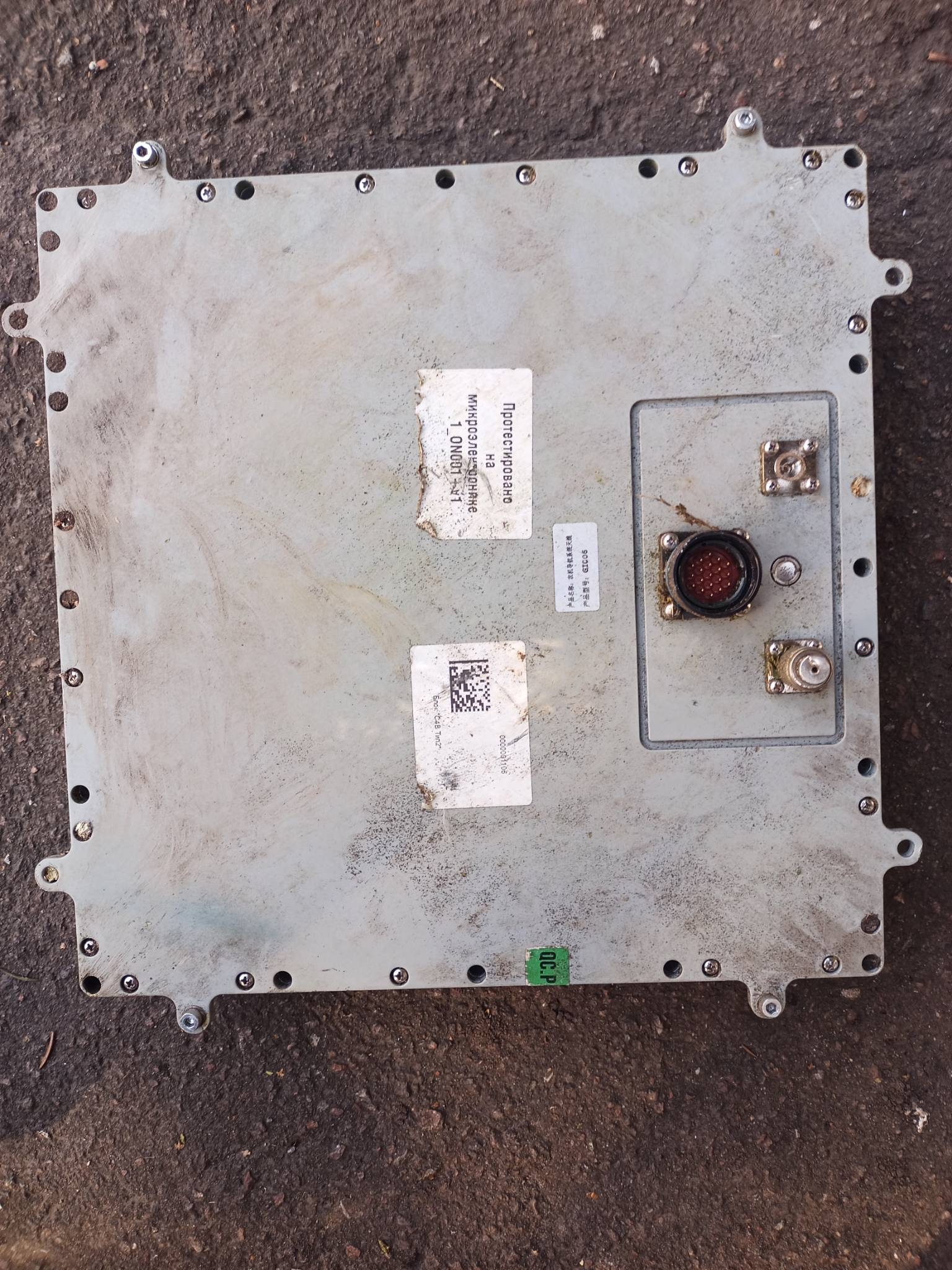
Zheng confirmed the company’s direct involvement with the Russian military. “We are working with Alabuga, so we have to make it confidential,” he said when questioned on the lack of public information regarding NavX.
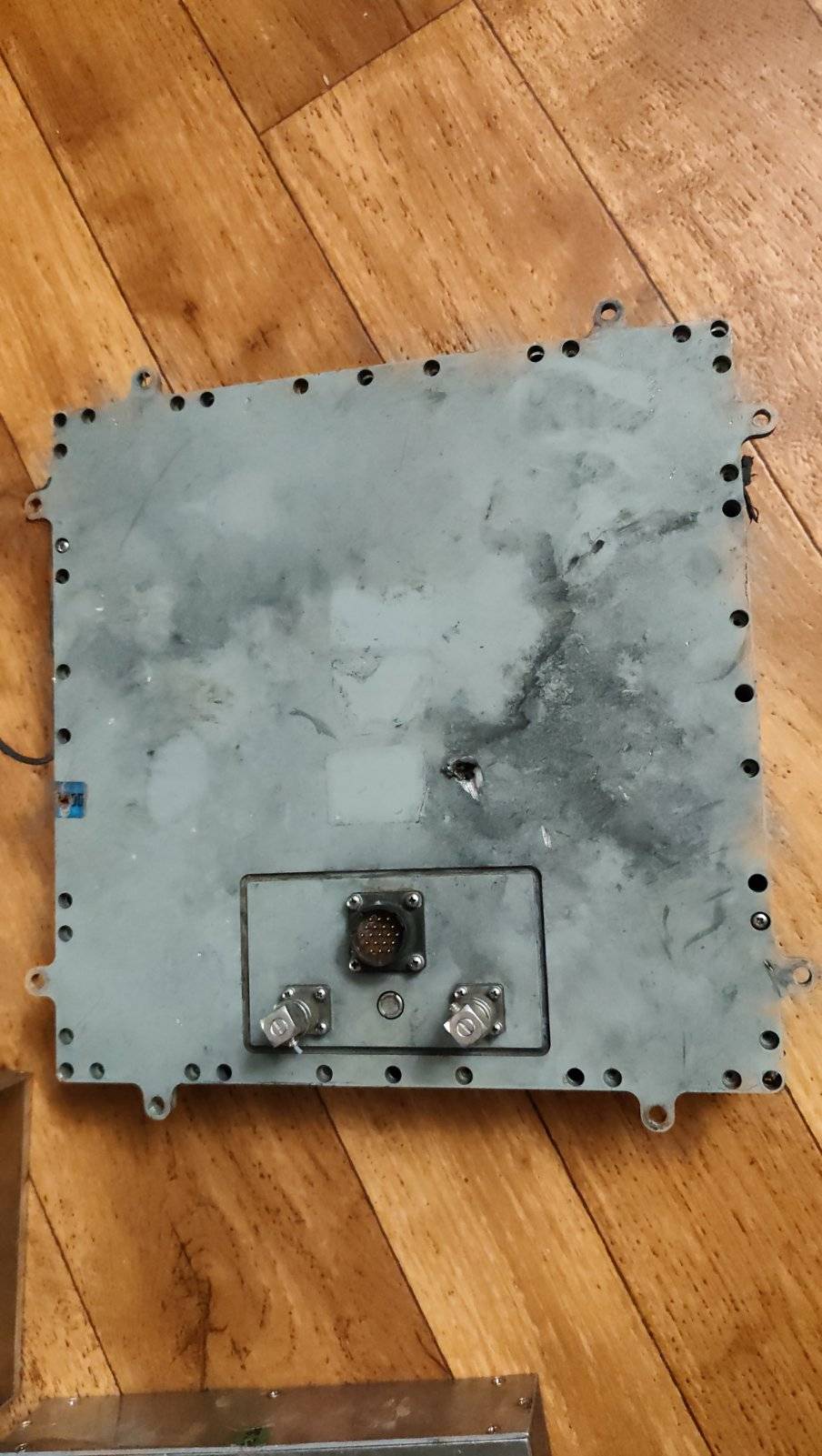
The Alabuga plant, located inside the Alabuga Special Economic Zone in Tatarstan, is the primary production facility for Russian drones of the Geran and Gerbera varieties. The Gerbera is a simplified version of the Geran and uses a similar radar signature to overwhelm air defenses during attacks, though certain variants are also used in strike and reconnaissance roles. Additionally, markings on antennas contain the prefix ALB, which possibly corresponds to the Alabuga plant. At the time of writing, the GI-006 is the most common 16-channel CRPA found in Russian drones, judging from the relative amount of online listings.
The GI-006 is the most common 16-channel CRPA found in Russian drones
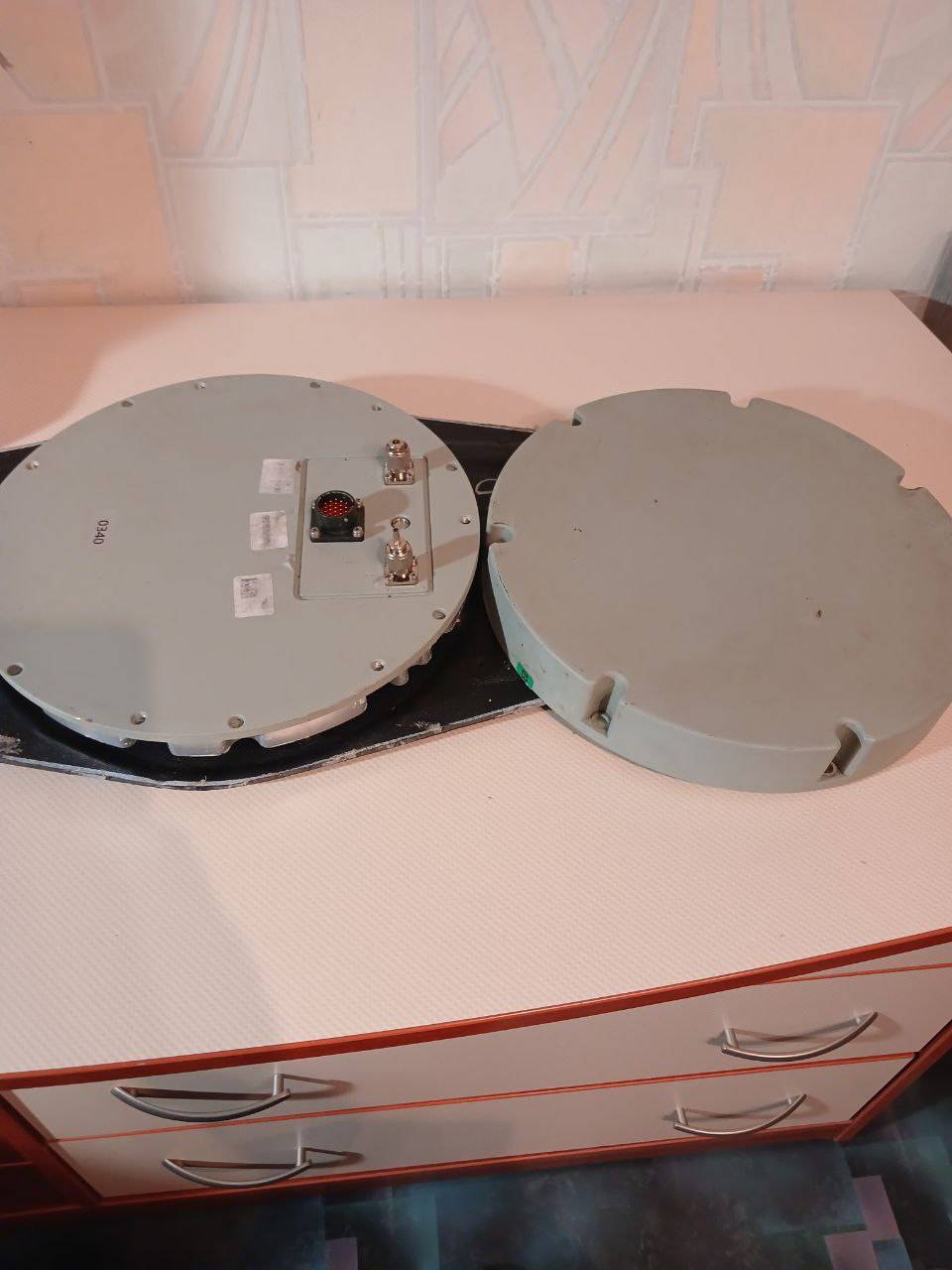
Beyond specifically labeled antennas, numerous other instances of antennas manufactured by the company are found in online listings. The identification of these antennas can be done by comparing internal layouts, case materials, and design elements to known examples.
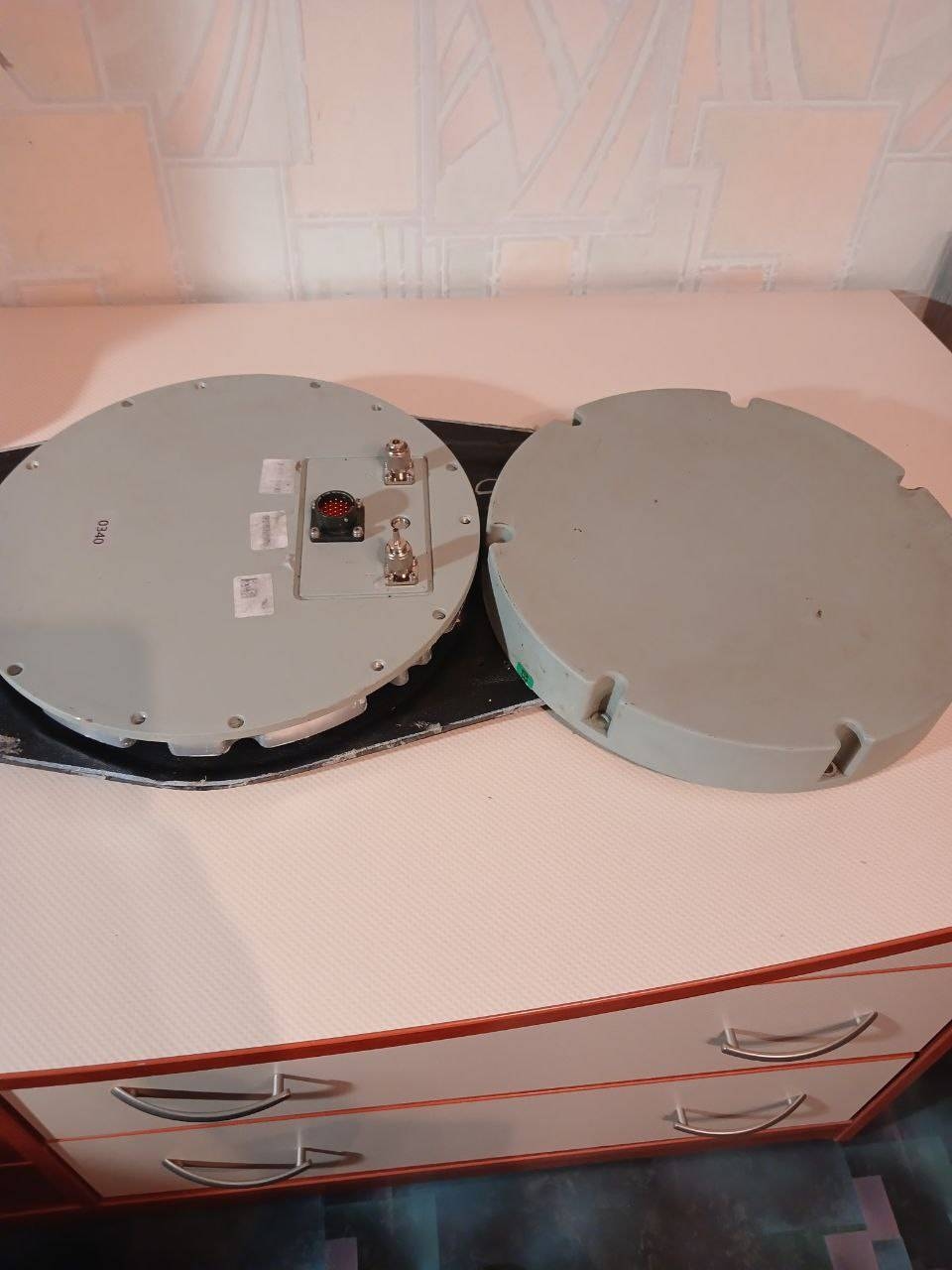
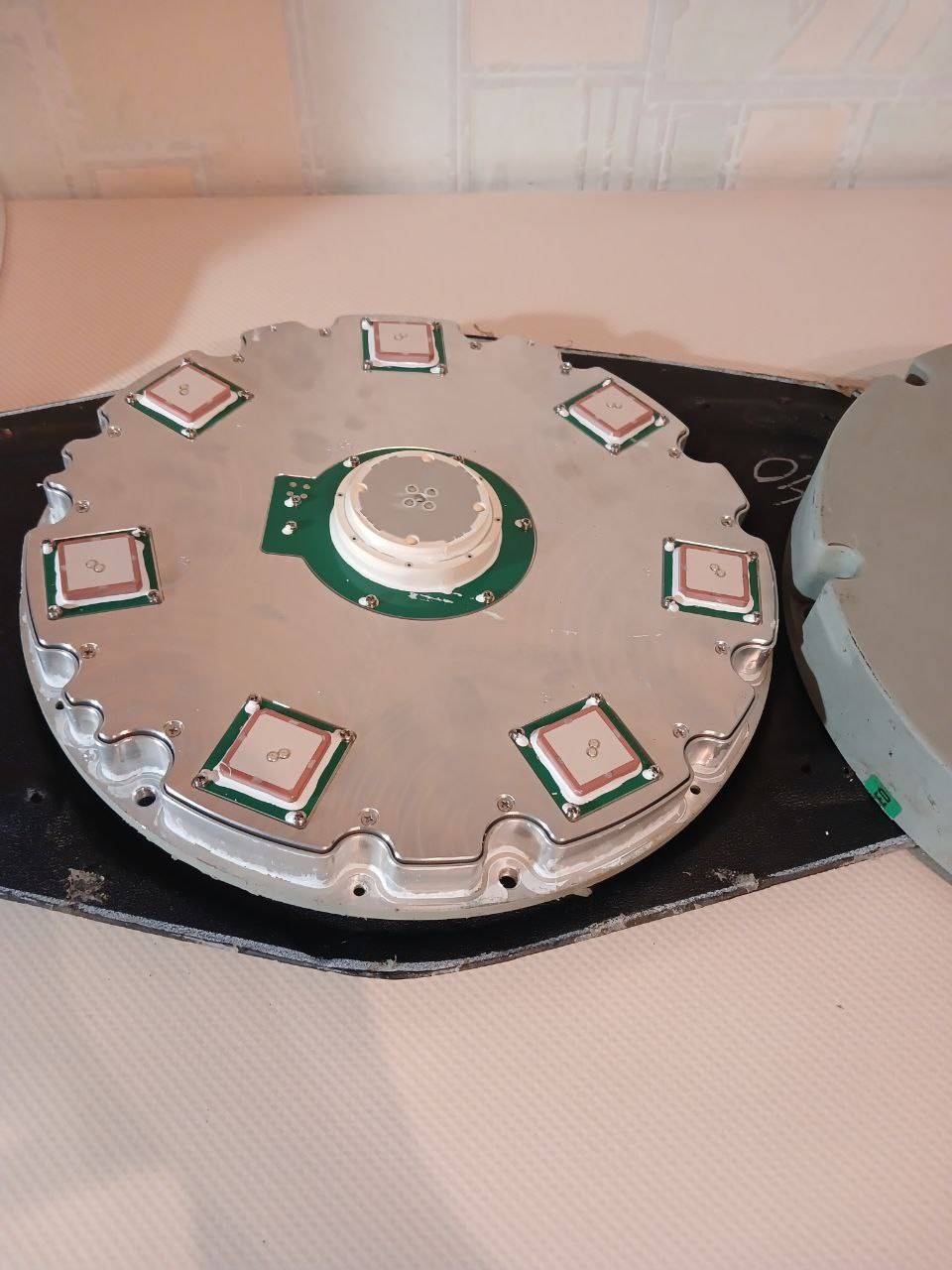
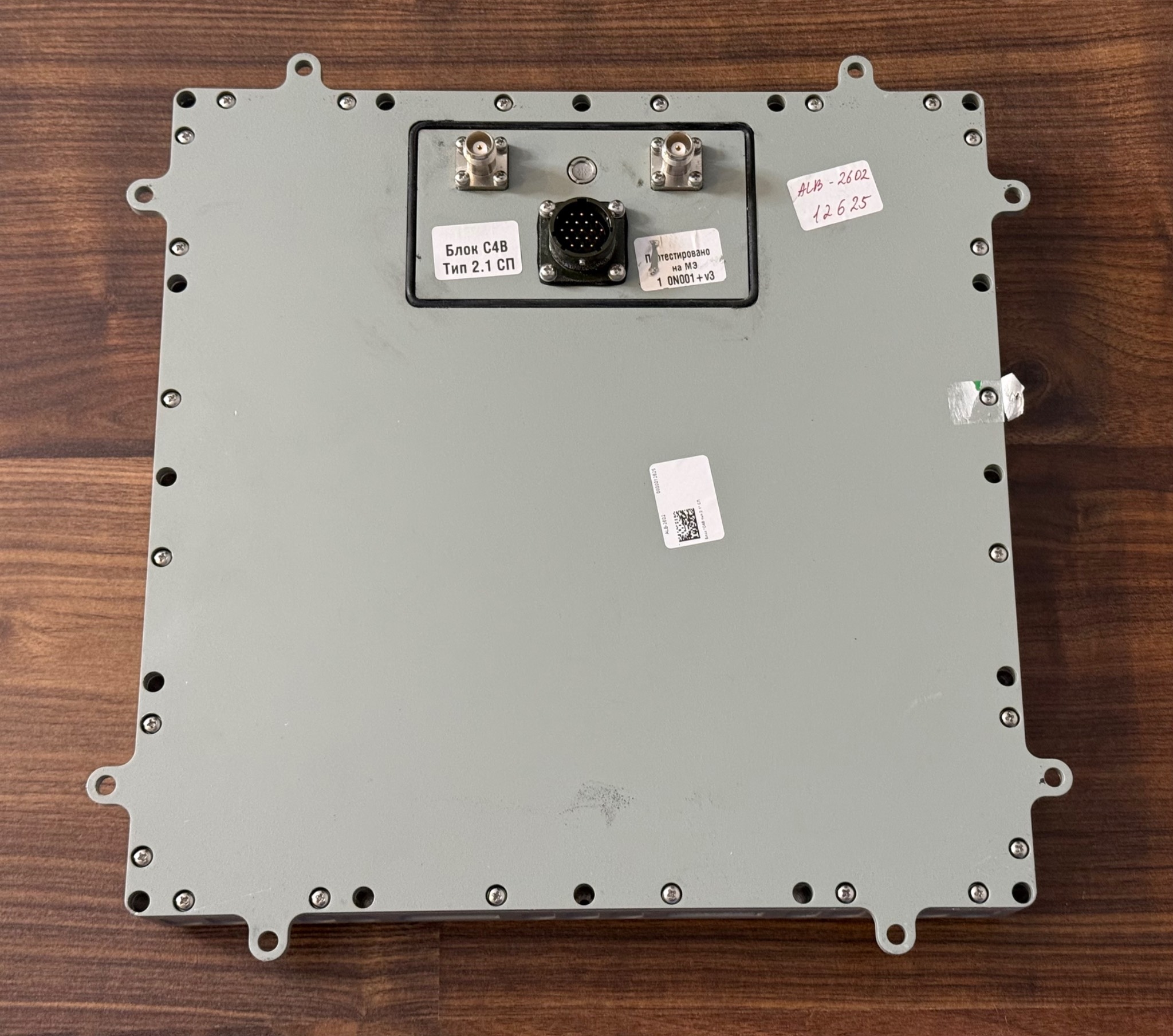
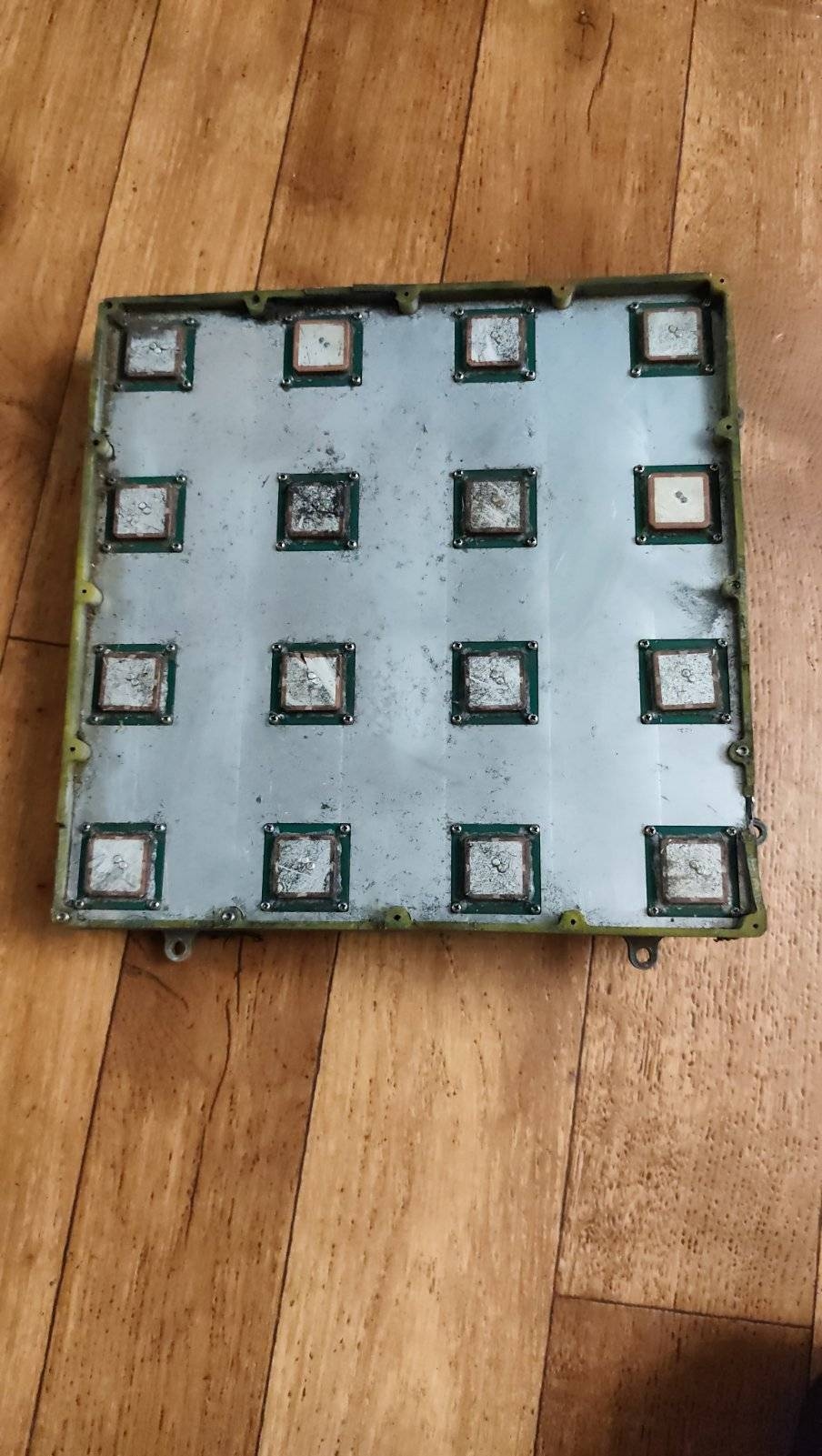
Harxon’s shell company
Nordsint’s buyer persona questioned Zheng on the relationship between Harxon and NavX. Zheng claimed the two operate as “separate, independent companies.” However, when pressed on whether NavX serves as a rebrand to protect Harxon from sanctions, Zheng wrote that “this angle is correct,” while adding, “but I don’t belong to Harxon anymore.”
He explained that Harxon was not allowed to sell to military clients, explaining that Harxon would refer to NavX for these cases. “If Harxon has some military project they can't make, [they] will recommend to us.”
When pressed on whether NavX serves as a rebrand to protect Harxon from sanctions, Zheng wrote that “this angle is correct”
Despite Zheng’s claims that NavX and Harxon work as independent companies, online evidence points to NavX acting as a shell company for Harxon’s military sales. Zheng, who signed NavX’s invoice, is identified as the overseas sales manager for Harxon on the e-commerce marketplace made-in-china.com.
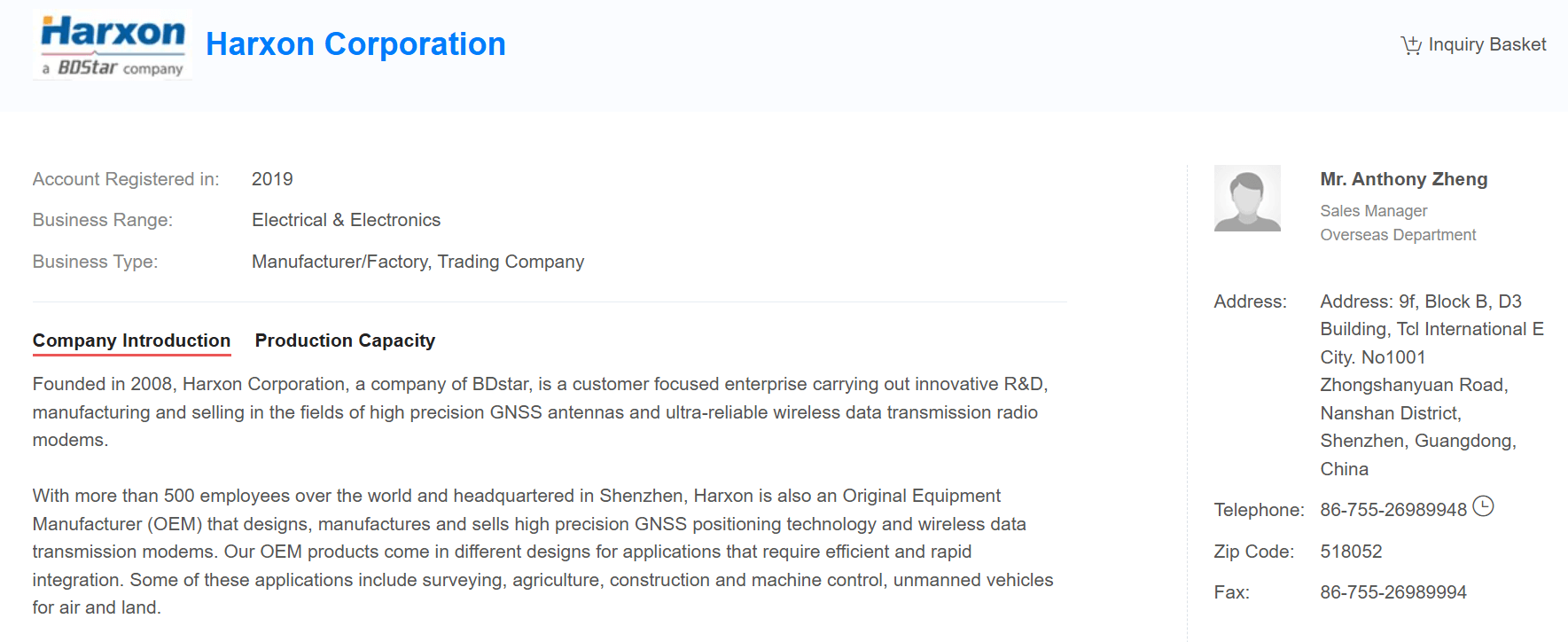
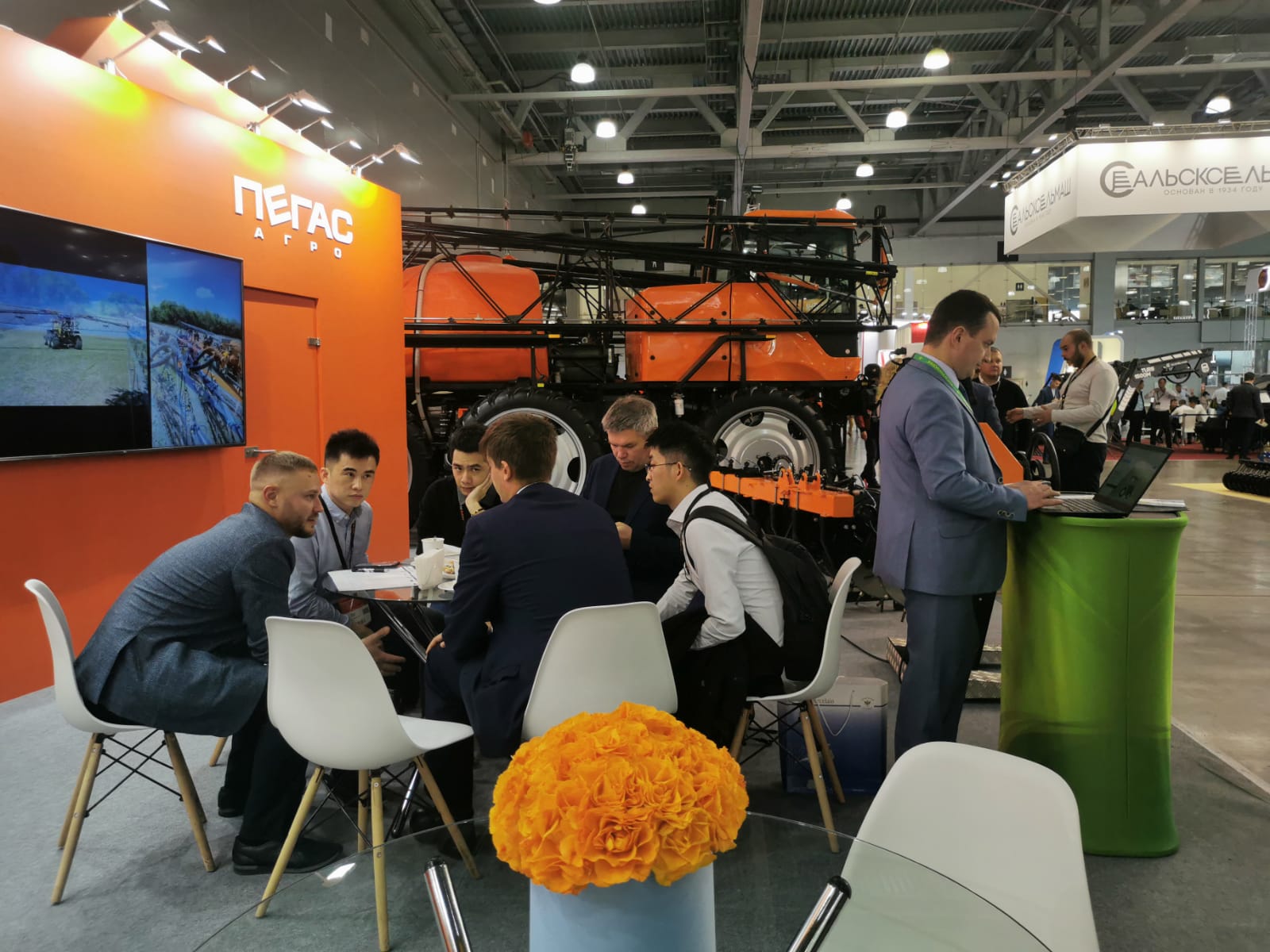
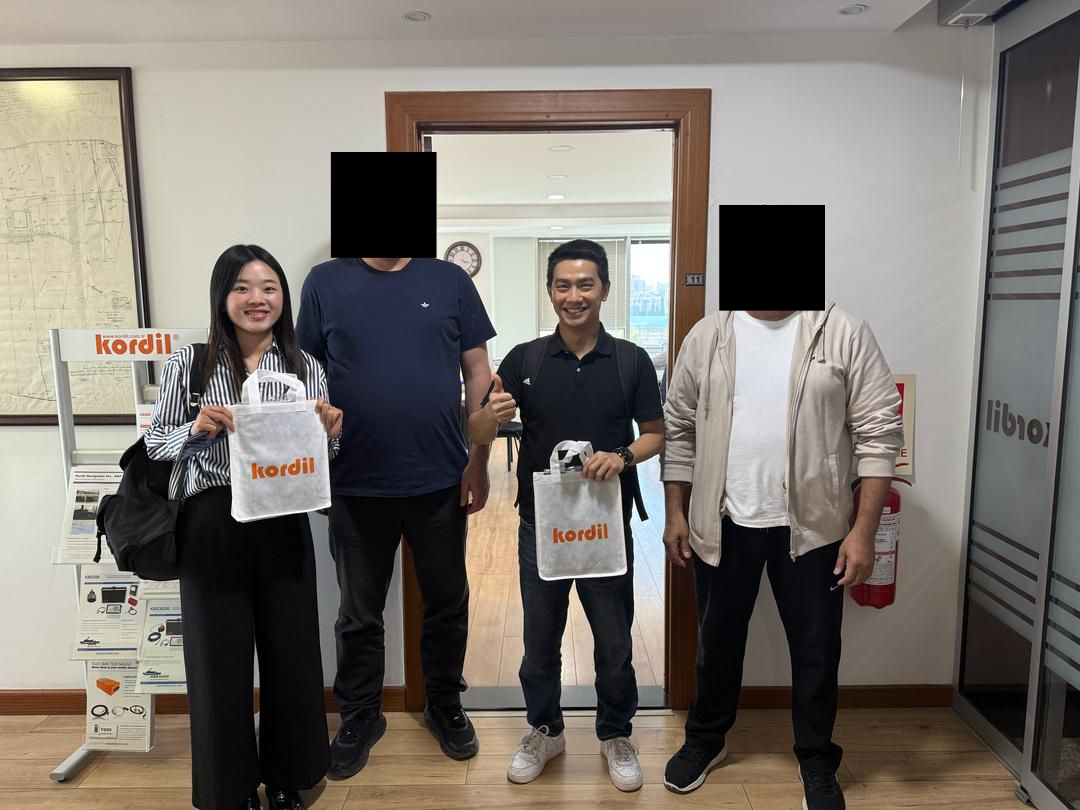
Additionally, a facial recognition search of Zheng’s profile pictures on WeChat show that he appears several times on Harxon’s website, as well as at the Intergeo 2023 exhibition with a nametag identifying himself as Anthony Zheng. Furthermore, a Linkedin post made by a Turkish civilian surveying company specifically identifies Anthony Zheng and Masha Wu as representatives of Harxon who visited the company. In 2022, Zheng visited Russia and took part in the Agrosalon exhibition. His Linkedin profile indicates that he has worked for Harxon since 2019.


There are no official mentions of NavX antennas in Russian trade data, nor are there any official instances of the company NavX trading with Russian counterparts. Previously, The Insider reported that between August and September 2024, an Alabuga-based company, Morgan LLC, imported more than $1 million worth of Harxon antennas. The trade data indicate that Chinese and Turkish shell companies as well as Harxon itself acted as exporters. Trade data shows that antennas shipped directly by Harxon had dimensions of 33.4mm x 33.4mm x 7.7mm, which are significantly smaller than CRPA models and close to the size of individual antenna patches. Other shipments from Harxon were specified as “not for military use.”
Nonetheless, trade data is not a perfect indication of supply, as shipments of sensitive goods are often obfuscated from Russian customs databases or concealed as other components. Additionally, Harxon does sell to legitimate civilian markets in Russia. However, when comparing the indicated value and weight of shipments from Harxon to Alabuga to the value and known weight of invoiced antennas, the figures are more consistent with CRPAs than civilian antennas manufactured by the company.
Harxon continues to participate in the global market. The company took part in the XPONENTIAL Europe 2026 trade fair held in Dusseldorf, Germany in March 2026. The company’s website shows it has authorized distributors in 27 countries, including the United States, France, the United Kingdom, Australia, Brazil, and Japan. Harxon’s parent company BDStar has been under American sanctions since 2024, albeit for reasons unrelated to support for the Russian invasion of Ukraine. Instead, the firm was added to the list “for their support to the [Chinese] High Altitude Balloon that overflew the United States in February 2023.”
At the time of writing no countries apart from the United States have sanctioned BDStar, and Harxon is not subject to the restrictive measures of any country, allowing it to continue doing business as usual. Sanctions on the company, of course, would impact the markets in which it can sell its products.
The Insider sent comment requests to Harxon Corporation, VTB Bank, and the Chinese Ministry of Foreign Affairs through the Chinese Embassy in Latvia. The Insider did not receive an immediate reply from Harxon. However, Zheng cleared all Telegram chats with Nordsint’s buyer account after comment requests to Harxon were sent.
The Chinese Embassy stated that it “would like to highlight that China’s position on the Ukraine issue remains consistent and clear. We have worked actively for a ceasefire and to promote peace talks. We never provide lethal weapons to any party to the conflict, and strictly control the exports of dual-use items.”
VTB Bank requested information of the full company name on the invoice, which The Insider provided by email. VTB did not respond further.
With the participation of Andrey Zayakin.