News
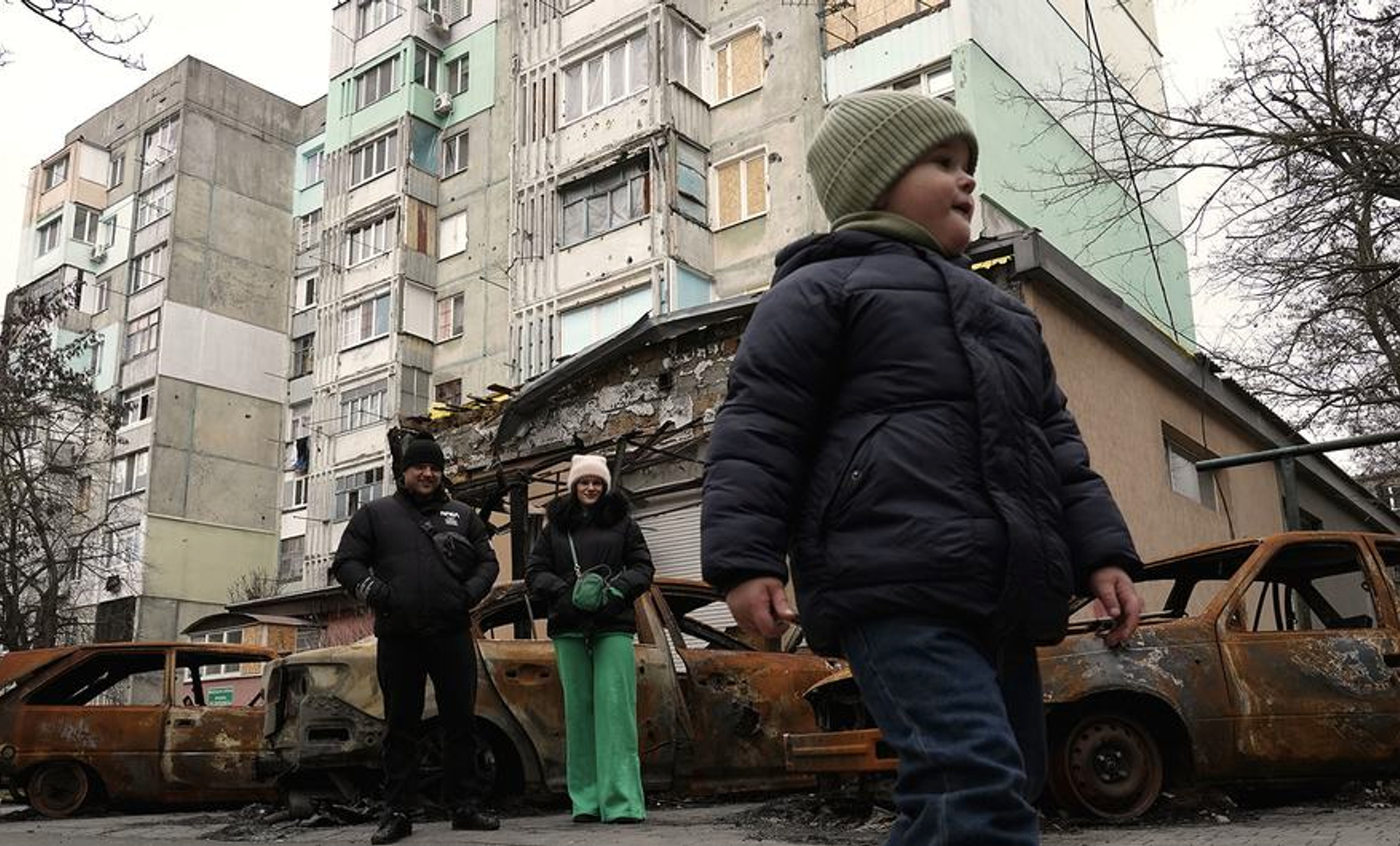
A new report by the Conflict Intelligence Team (CIT) has indicated that the year 2025 was the deadliest for the civilian population on both sides of the frontline since the start of Russia’s full-scale invasion in 2022.
At least 2,919 civilians were killed and 17,775 were wounded in shelling and strikes. The group’s researchers said that despite ongoing talks and statements about seeking peace, the intensity of strikes in June and July 2025 reached the highest levels on record (the team began its monitoring work in the fall of 2023). Compared with 2024, the number of civilians killed rose 12%, while the number injured rose by more than 25%.
How is the data collected?
CIT’s volunteer team has been gathering all available information on civilian casualties since the fall of 2023. Over that time period, its database has accumulated more than 14,000 episodes of strikes or shelling in which at least one civilian was killed or injured. To collect information, the team relies primarily on statements by officials or representatives of occupation administrations; it also gathers open source photo and video materials from the media and Telegram channels and, when possible, geolocates the site of documented strike. CIT said it cannot guarantee its summaries capture 100% of incidents.
In 2025, 79% of the civilians who were killed or wounded as a result of the war lived in areas controlled by the Ukrainian government. A total of 16,300 casualties were recorded in such areas — 2,348 killed and 13,952 wounded. In Russian-occupied areas of Ukraine, 2,049 people were affected, and in Russia 2,345 civilian casualties were recorded. When compared to data for 2024, the number of casualties recorded in occupied areas and in Russia proper fell by 6%; in areas controlled by Kyiv, it rose by 35%.
Among the hardest-hit regions in Ukraine were front-line areas, the city of Kyiv, and the surrounding Kyiv Region. In Russia, the highest number of casualties was recorded in the Belgorod region, with 134 killed and 1,202 wounded, followed by the Kursk and Bryansk regions.
The deadliest attacks of 2025 came as the result of Russian missile strikes against the Ukrainian cities of Ternopil, Sumy, and Kyiv. For example, when two cruise missiles hit residential buildings in Ternopil in November, 38 people were killed, including eight children. In April, a strike on a playground in Kryvyi Rih killed 20 people, including nine children.
The role of drones rose sharply in 2025. CIT said drone strikes caused the largest number of casualties, with 1,376 killed and 10,089 wounded. Compared with 2024, the number of people affected by UAV attacks increased more than threefold.
In 2025, 483 people were killed in artillery shelling, 472 in missile strikes, and 481 by aerial bombs. Researchers said the spread of precision weapons has not led to a decrease in civilian casualties.
The report’s authors said the data they collected points to the Russian side’s systematic disregard for the rules of war — and in some cases, to Moscow’s commission of deliberate war crimes. The authors emphasized that they classify certain actions as war crimes regardless of which side commits them.
CIT warned that if current trends continue, above all increased use of drones and the continuation of aerial attacks, civilian casualties in 2026 are likely to keep rising.
CIT’s casualty figures correspond with United Nations data. According to a January report by the UN Human Rights Monitoring Mission in Ukraine, the number of civilian casualties in Ukraine in 2025 reached its highest level since the start of the full-scale invasion. The UN report calculated that 2,514 civilians were killed in Ukraine and 12,142 were wounded over the course of the year.
Conflict Intelligence Team, usually called CIT, is an independent, volunteer research group that tracks armed conflicts using open-source information.